Even after 5 years of living in Tokyo, there are still a lot of places that I haven’t explored yet. Moving here in 2020, we were so excited to potentially be able to see the delayed Tokyo 2020 Olympics, but in the end spectators weren’t allowed. Although we weren’t able to watch the competitions, there are still many arenas still open to the public. It’s surreal to step on the same stage that these world-class athletes once gave their best to compete.
We will not only be exploring these legacy spots, but also unique cultural experiences, local eateries, and the beautiful nature surrounding it. At the end there’s also a list of hotel recommendations.
Yokohama Stadium
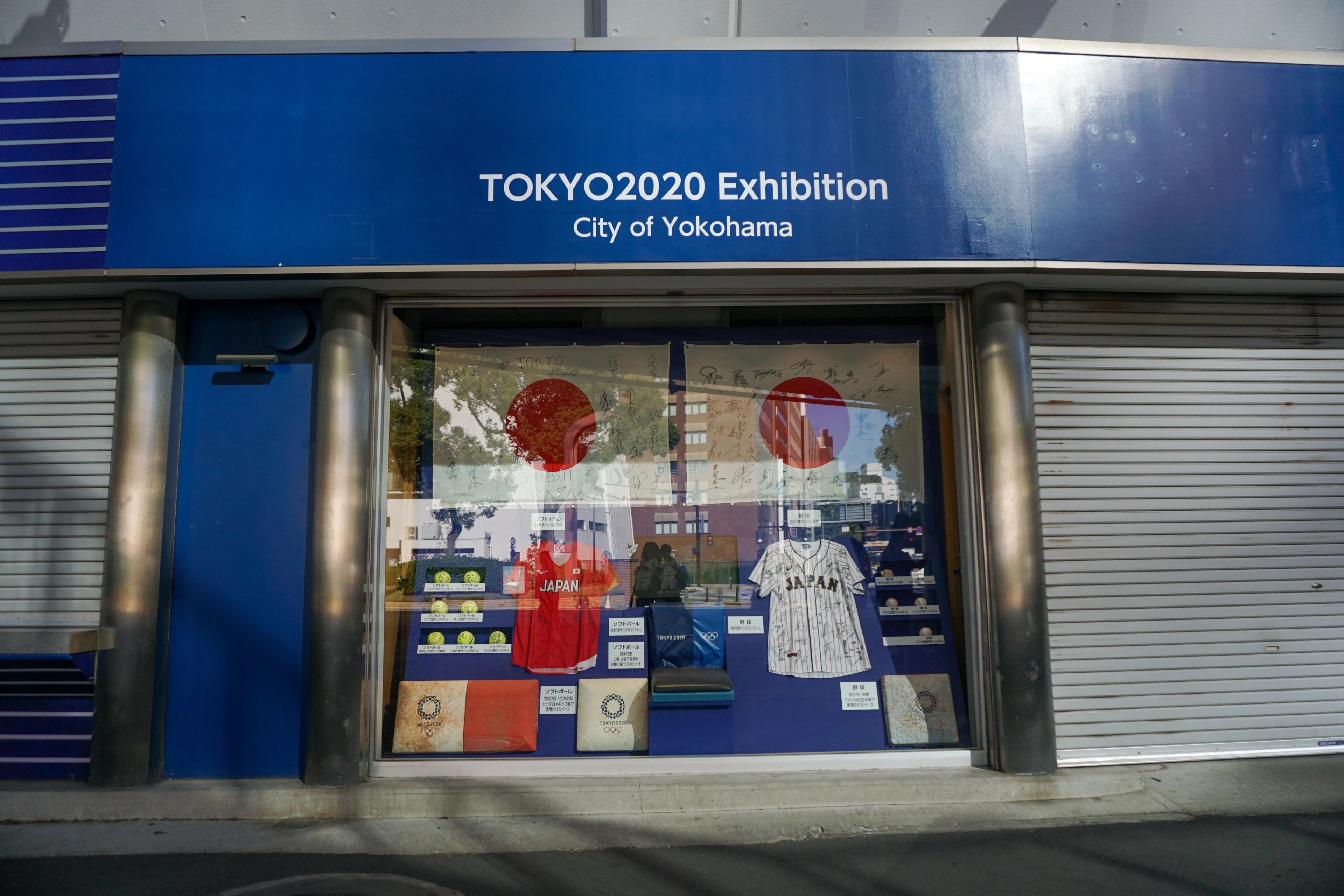
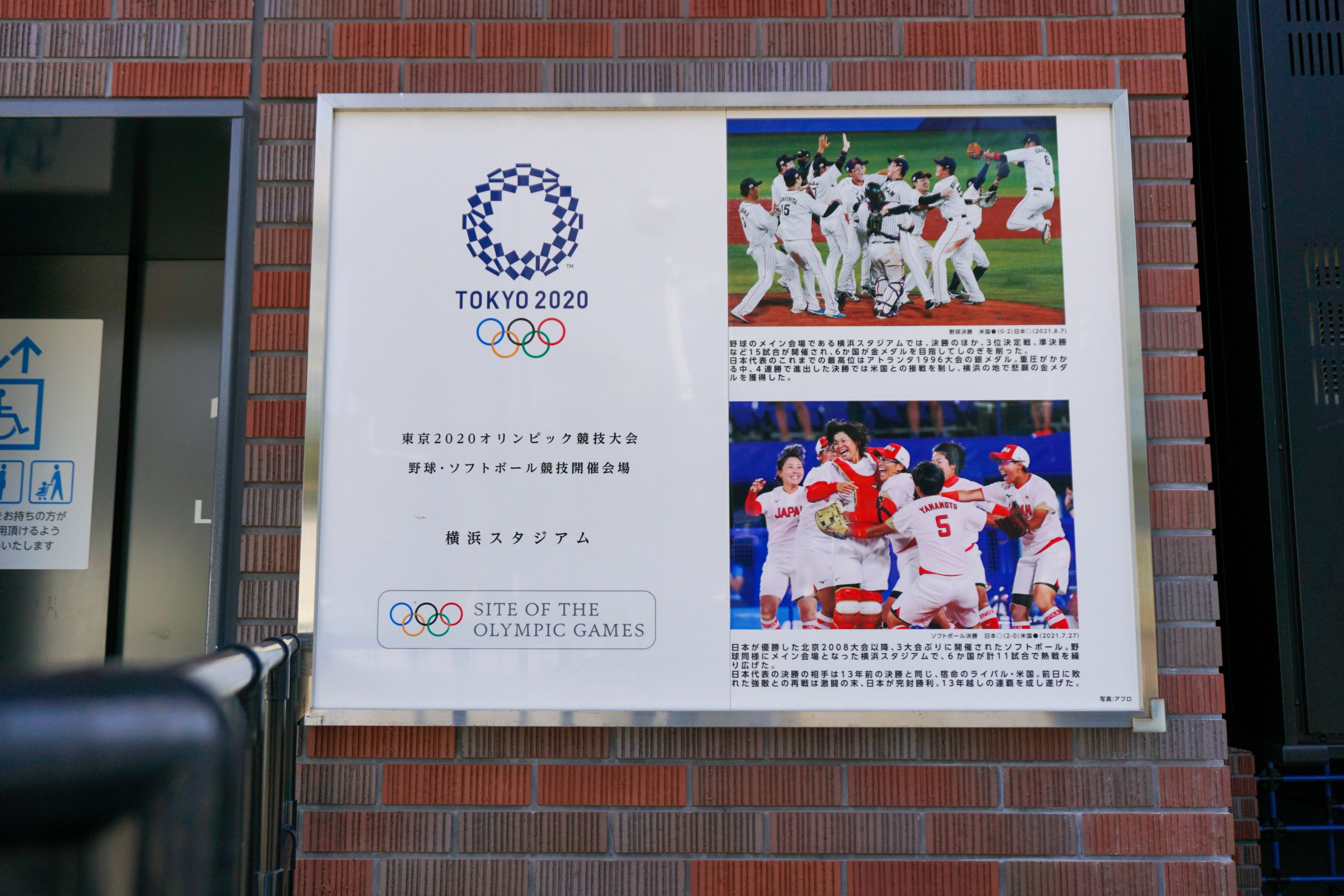
This is where Japan won gold in both baseball and softball in the Tokyo 2020 Olympics.
You can see signed jerseys, balls, and the actual bases used in the games.
Enoshima Yacht Harbor
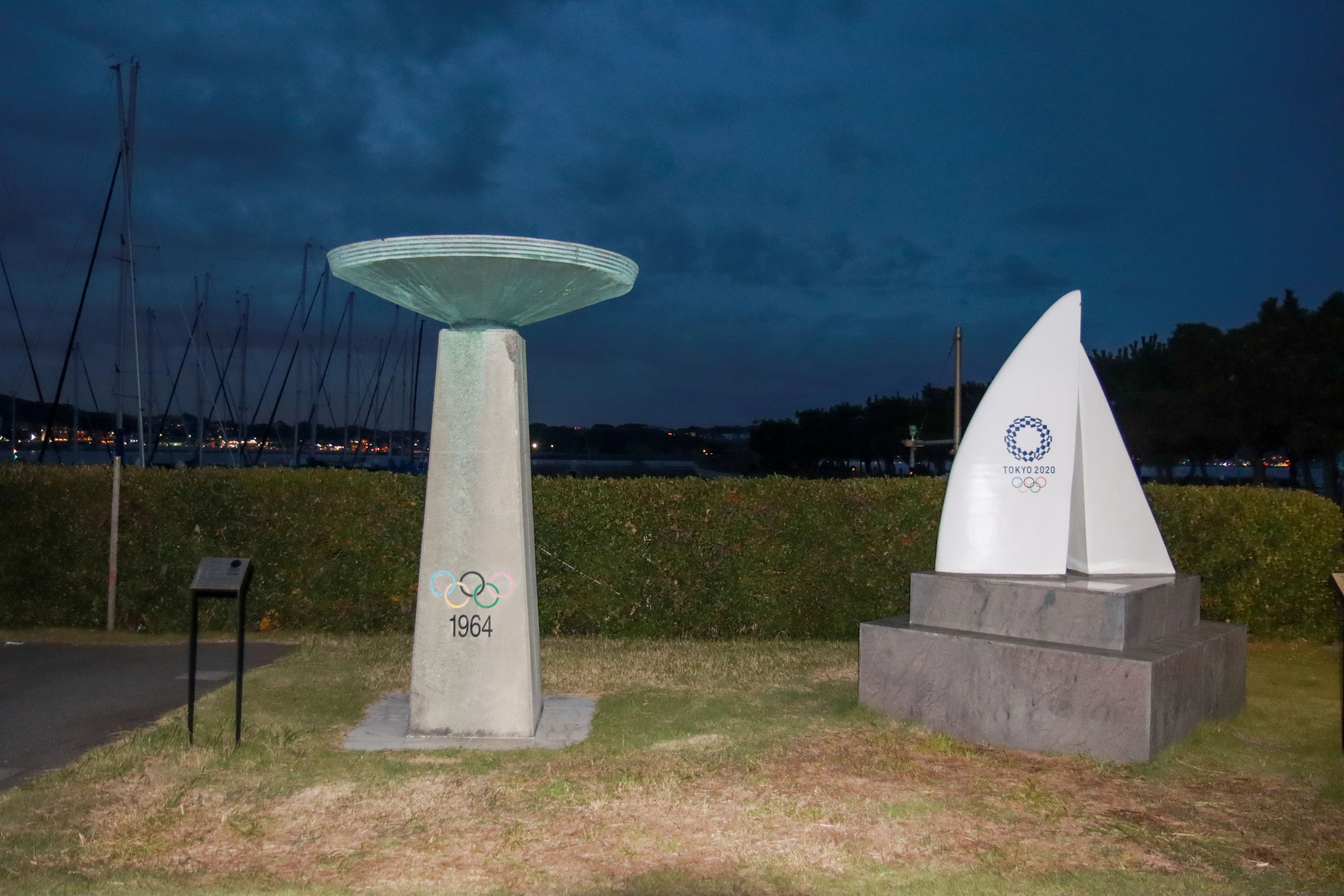
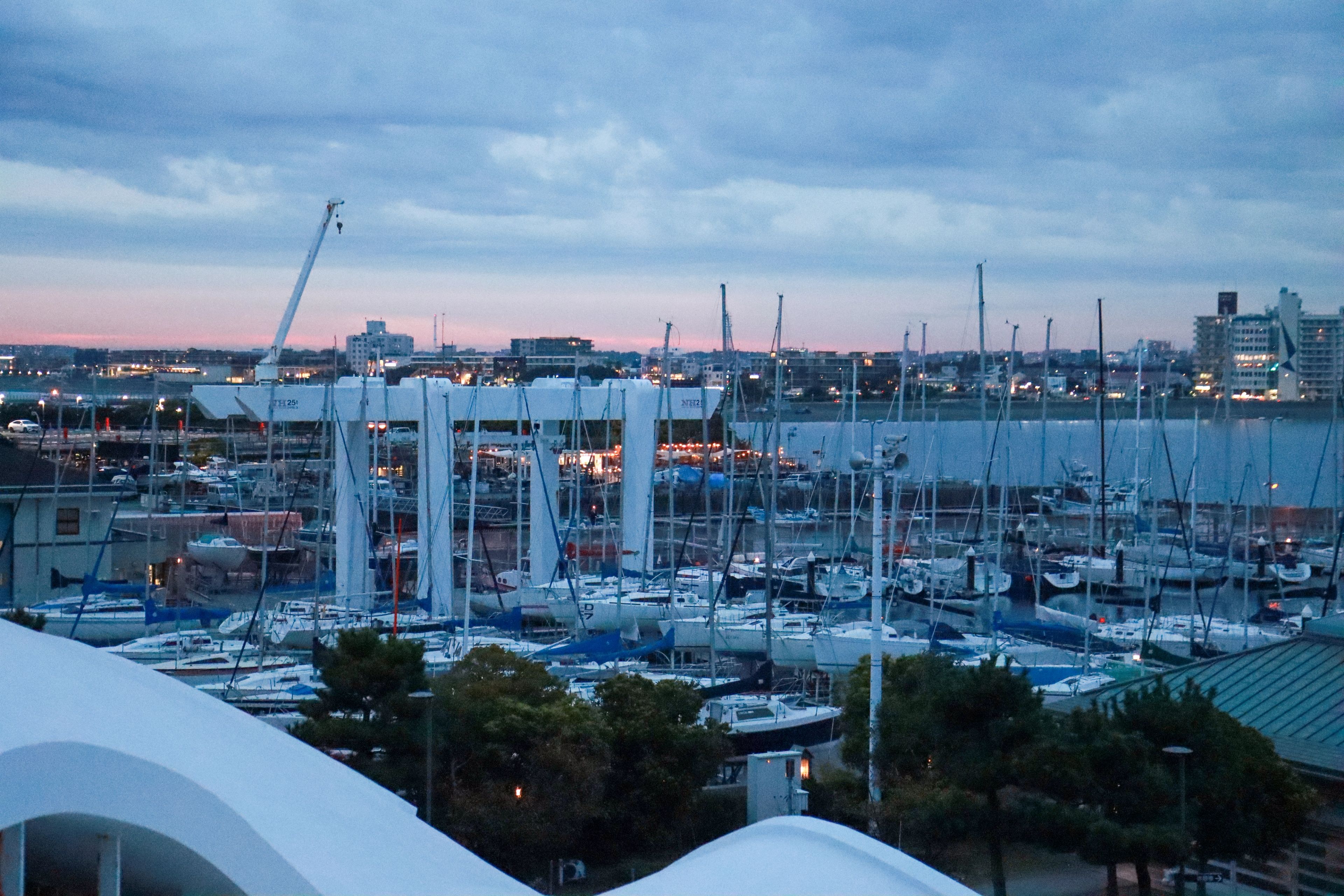
Originally opened for the 1964 Tokyo Olympics, it was used for the Tokyo 2020 Olympic Games as well.
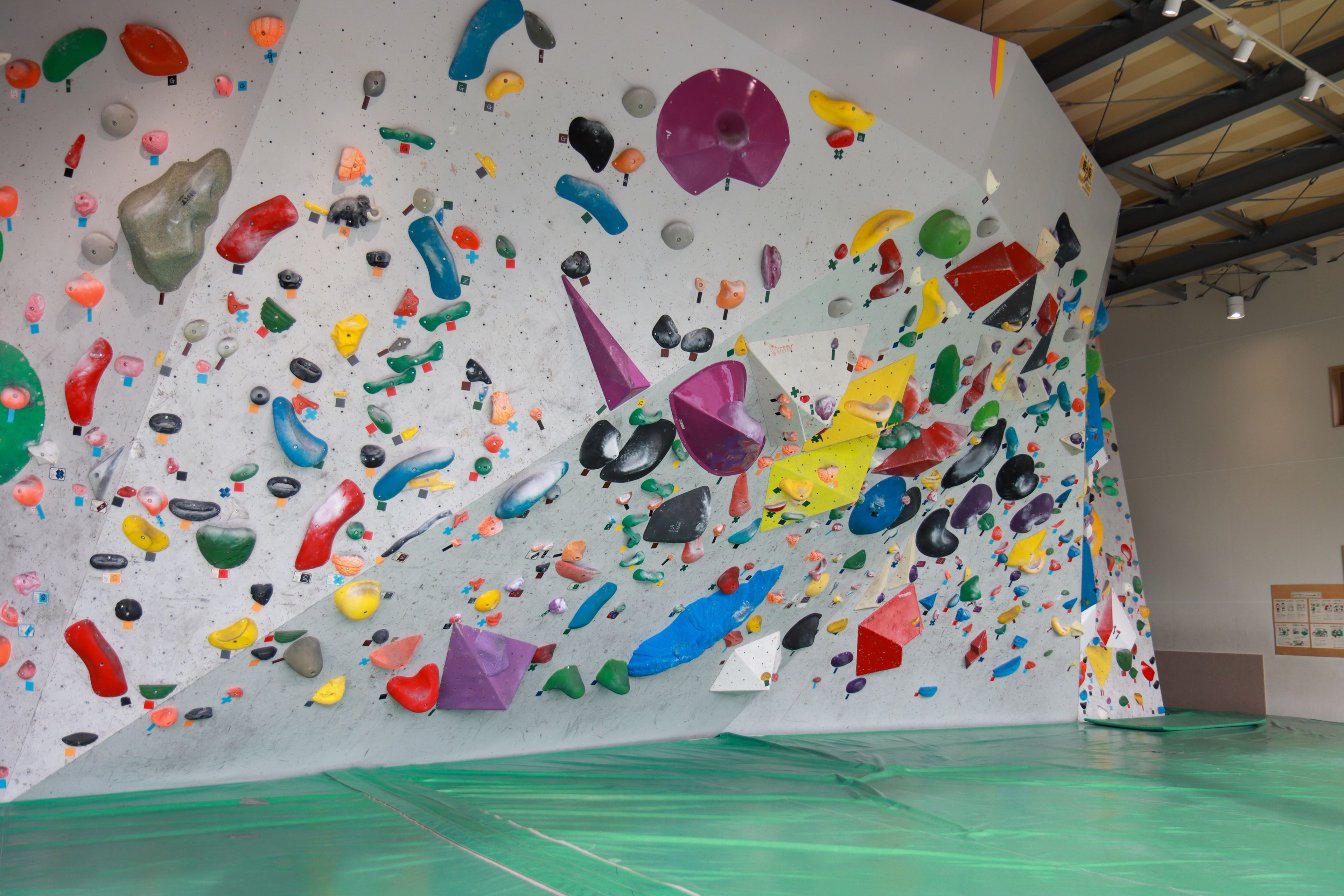
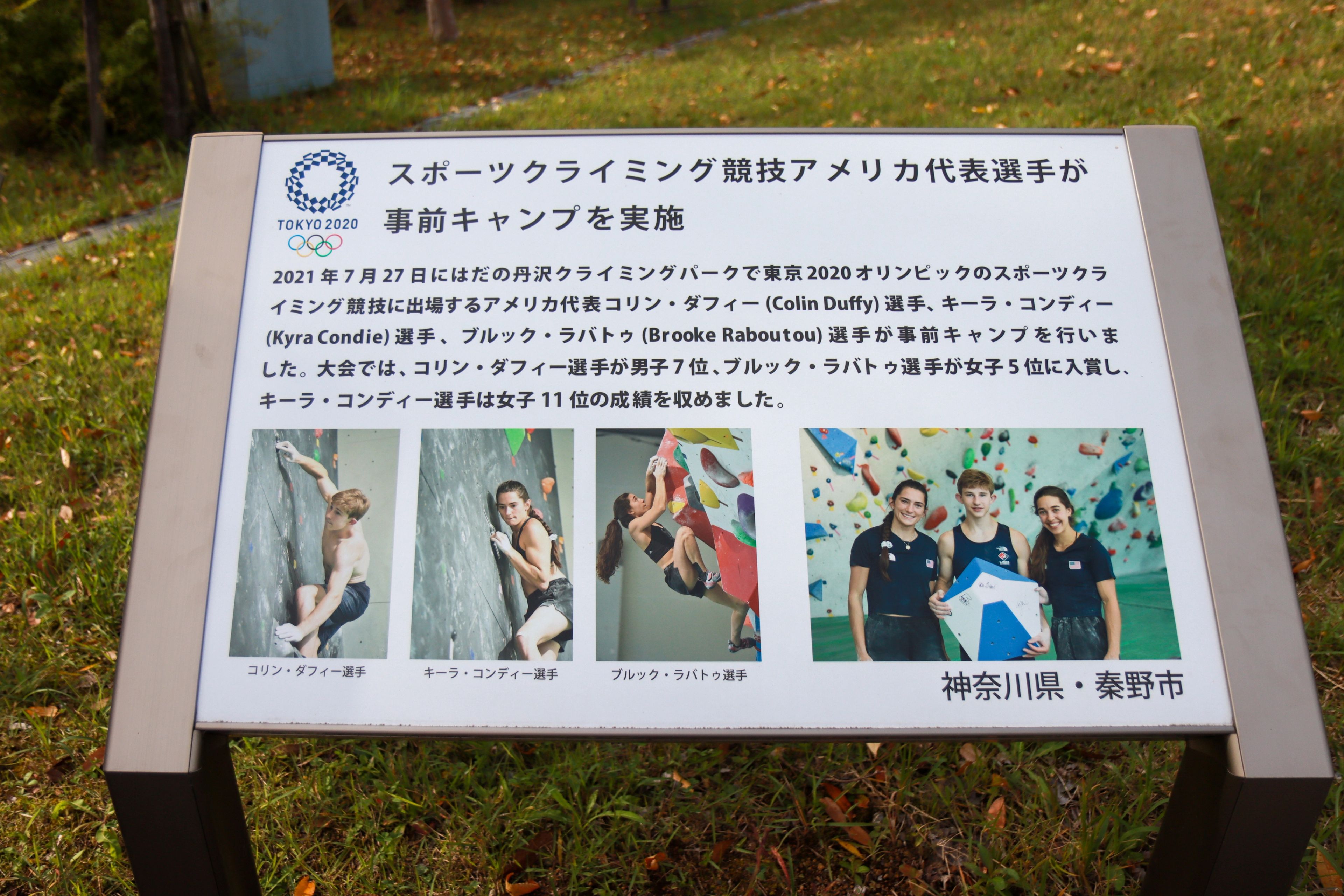
Tanzawa Climbing Park
This park was used by American athletes as a pre-games camp site, and the wall used for speed climbing can be seen there.
Takao 599 Museum
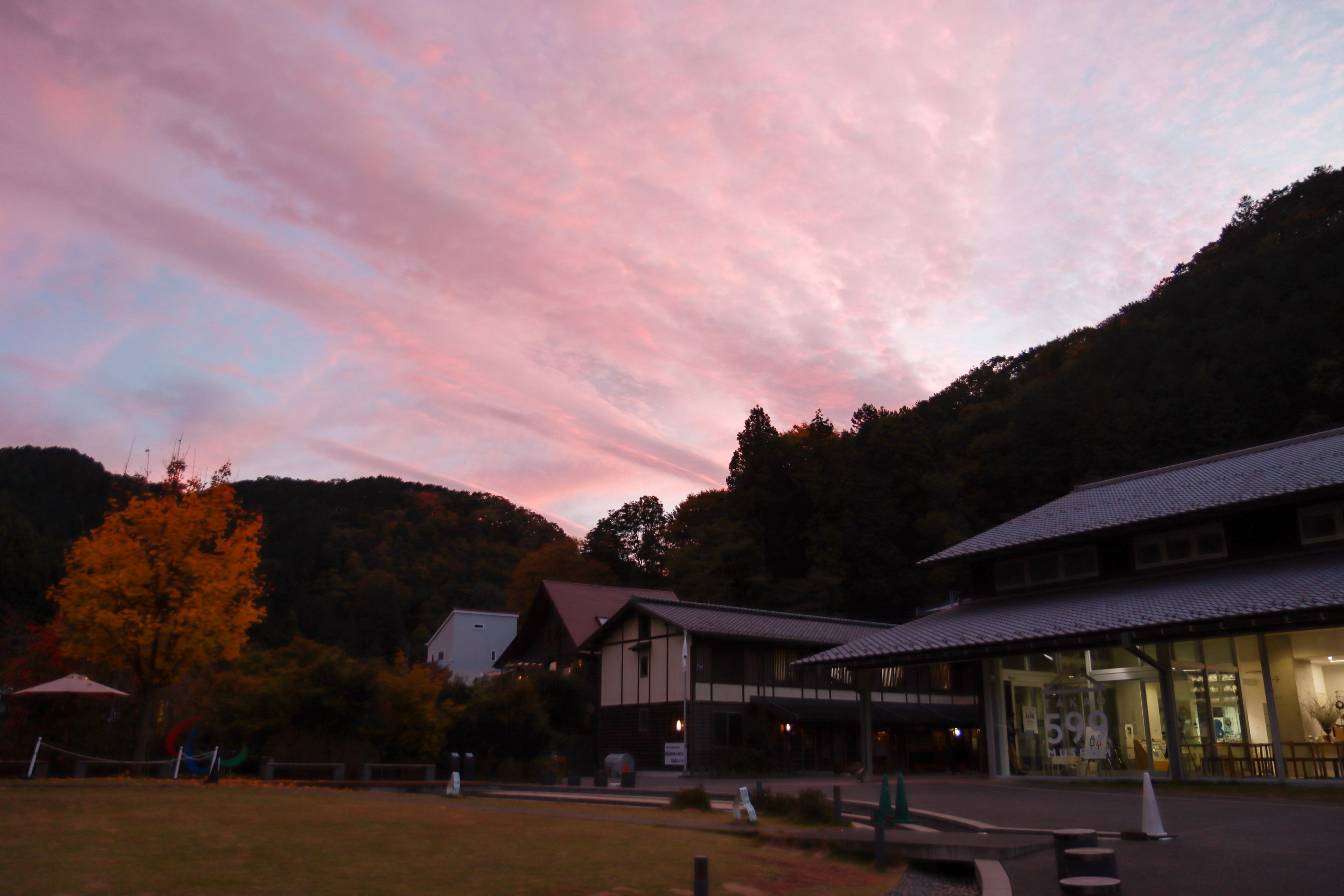
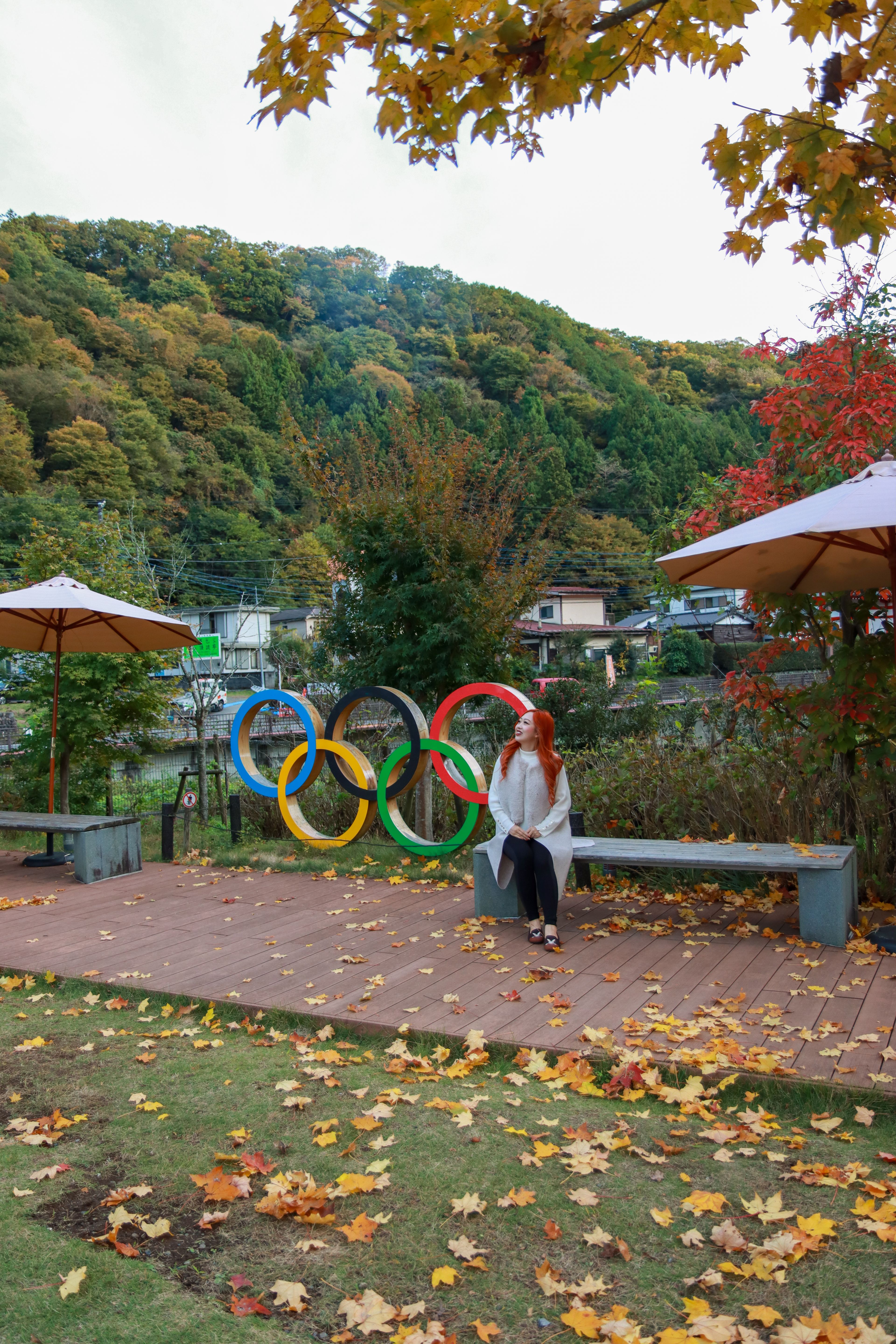
Mount Takao is Tokyo’s iconic nature landmark where the torch relay was held, and at the museum you can learn about floral and fauna that inhabit the area
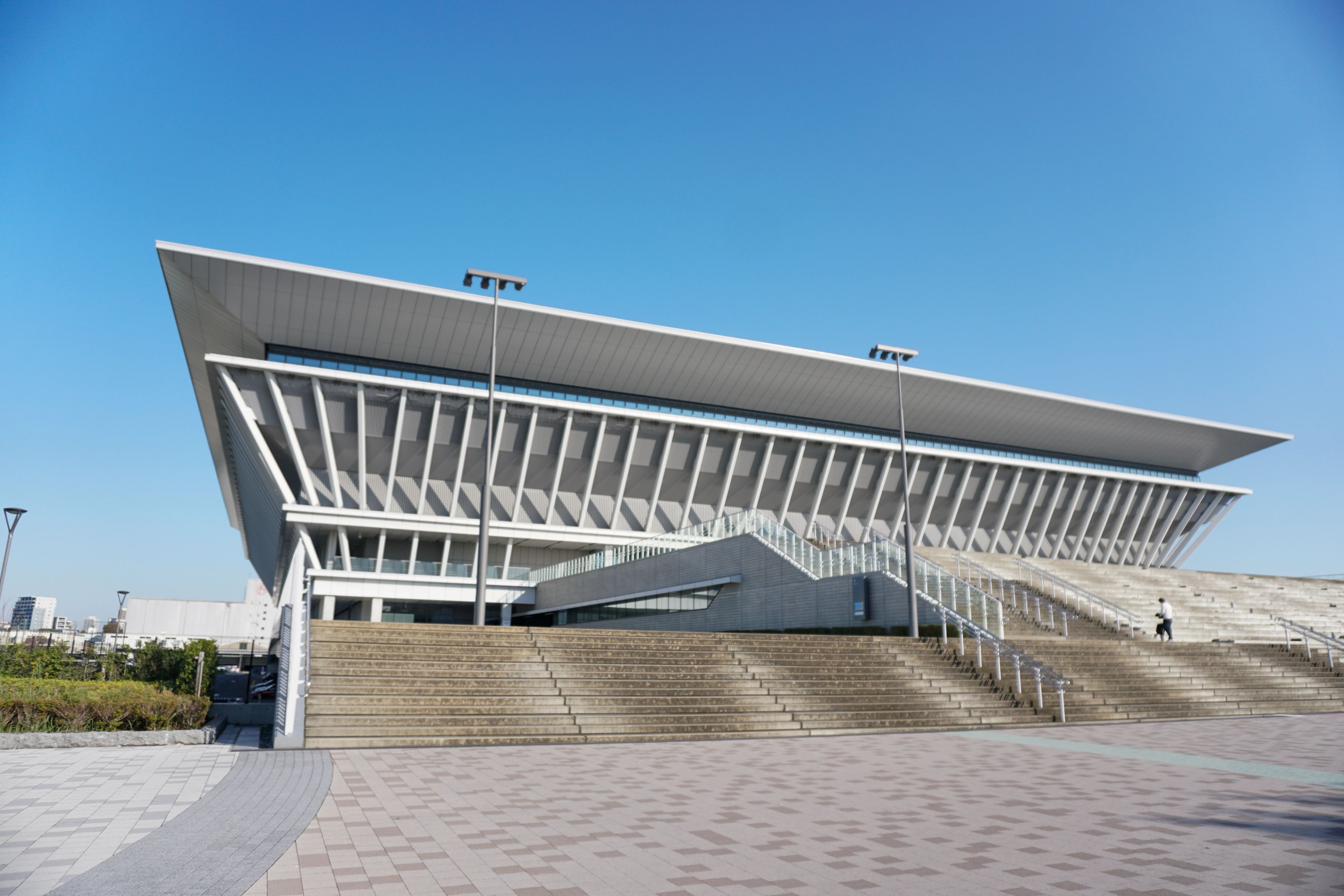
Tokyo Aquatics Centre
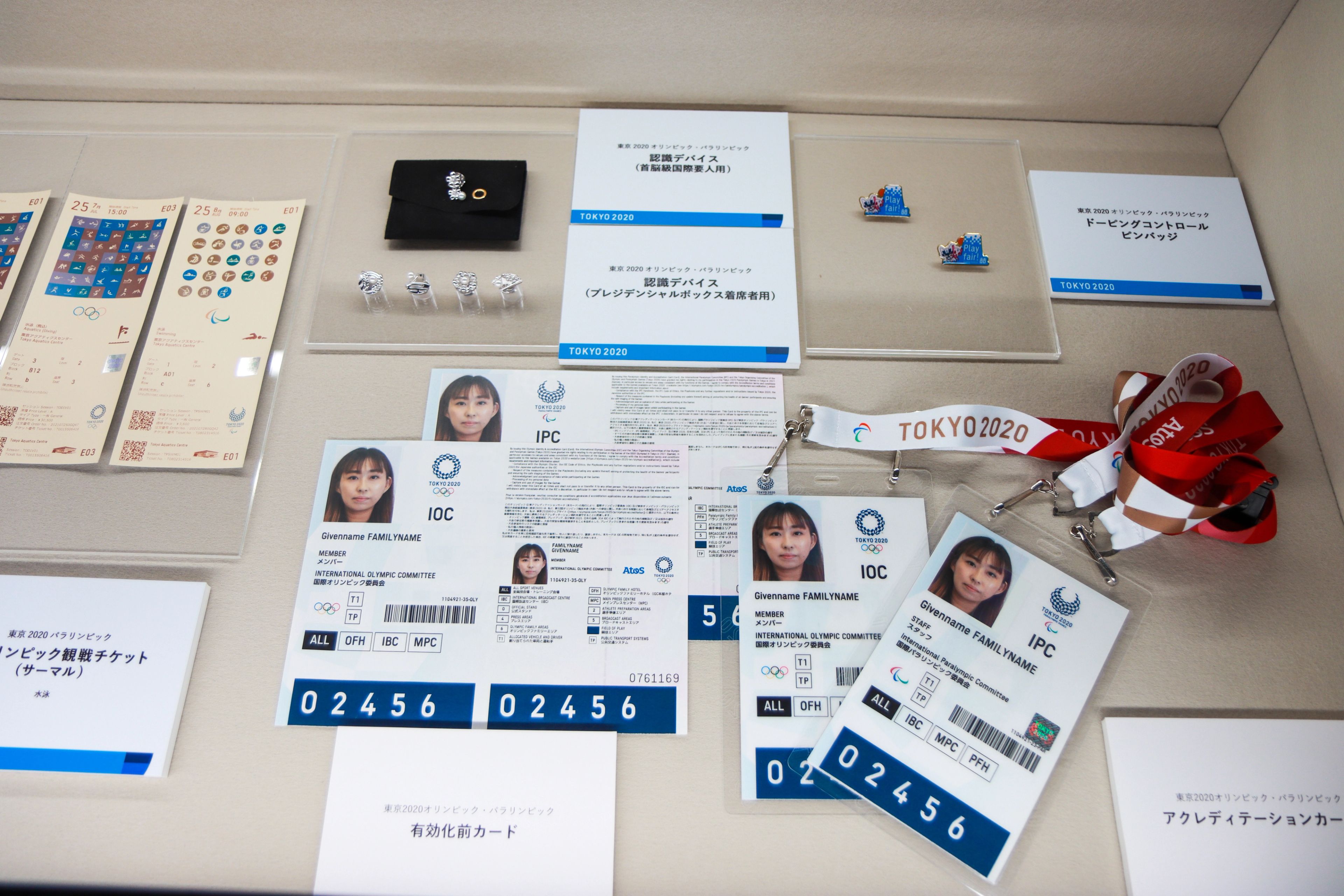
This is where Japan won 2 Gold medals in swimming during the Tokyo 2020 Olympics. There’s also a small museum space where the actual podium used for winners receiving medals is on display.

Ariake Urban Sports Park
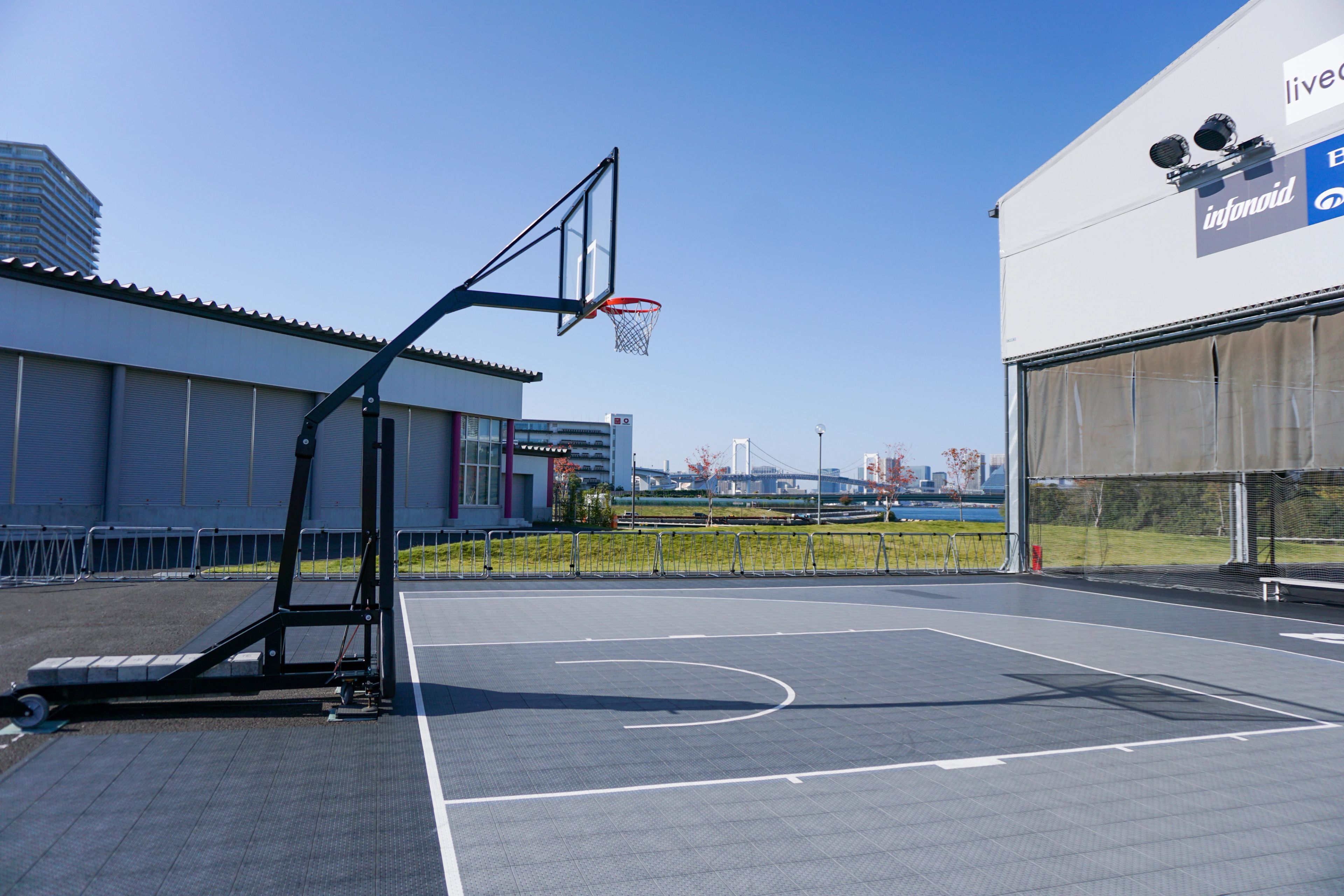
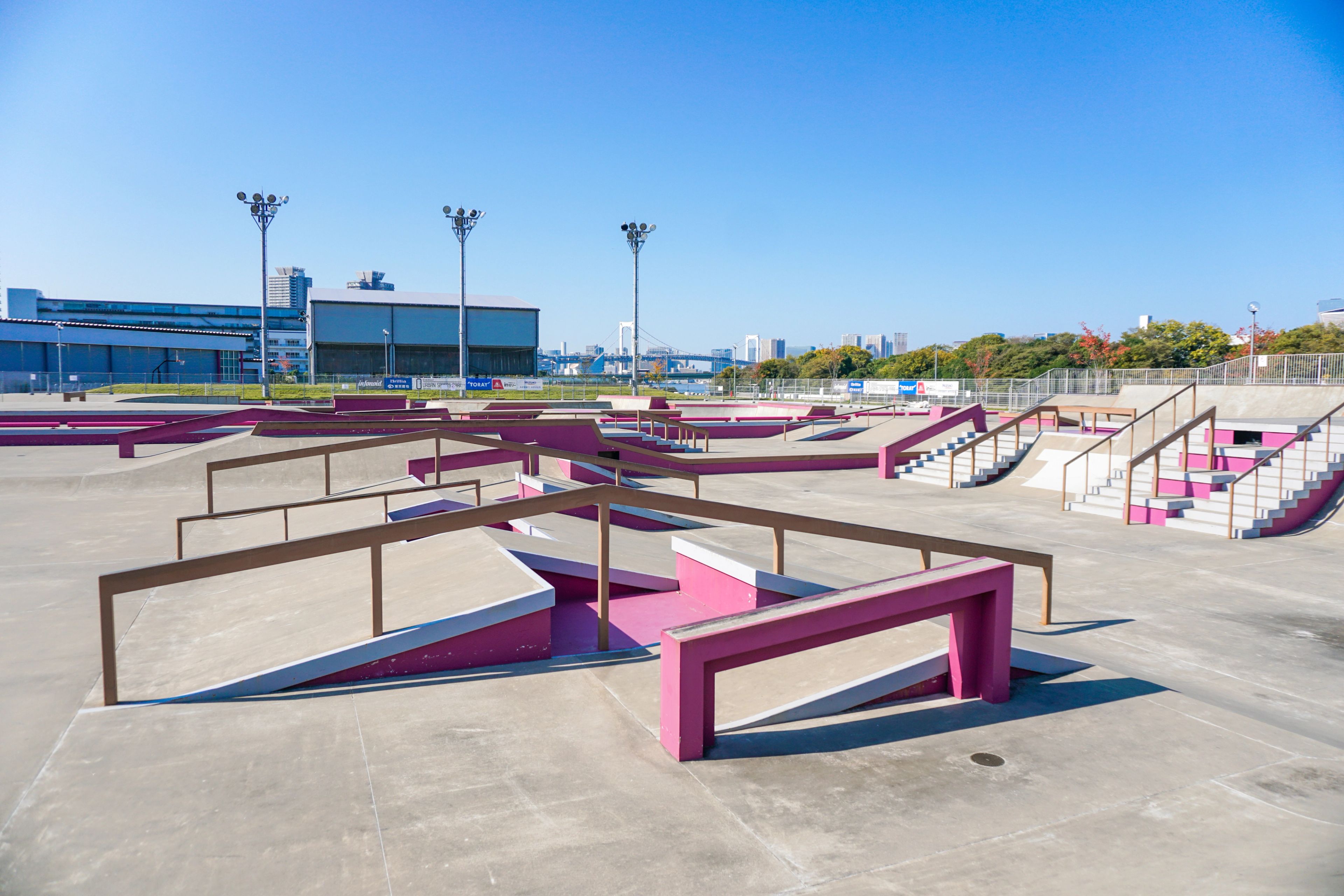
With the beautiful rainbow bridge as backdrop, this is where you can play 3x3 basketball, or see where Japan won gold for both men’s and women’s skateboarding in the Tokyo 2020 Olympics.
6 Cultural experiences to try
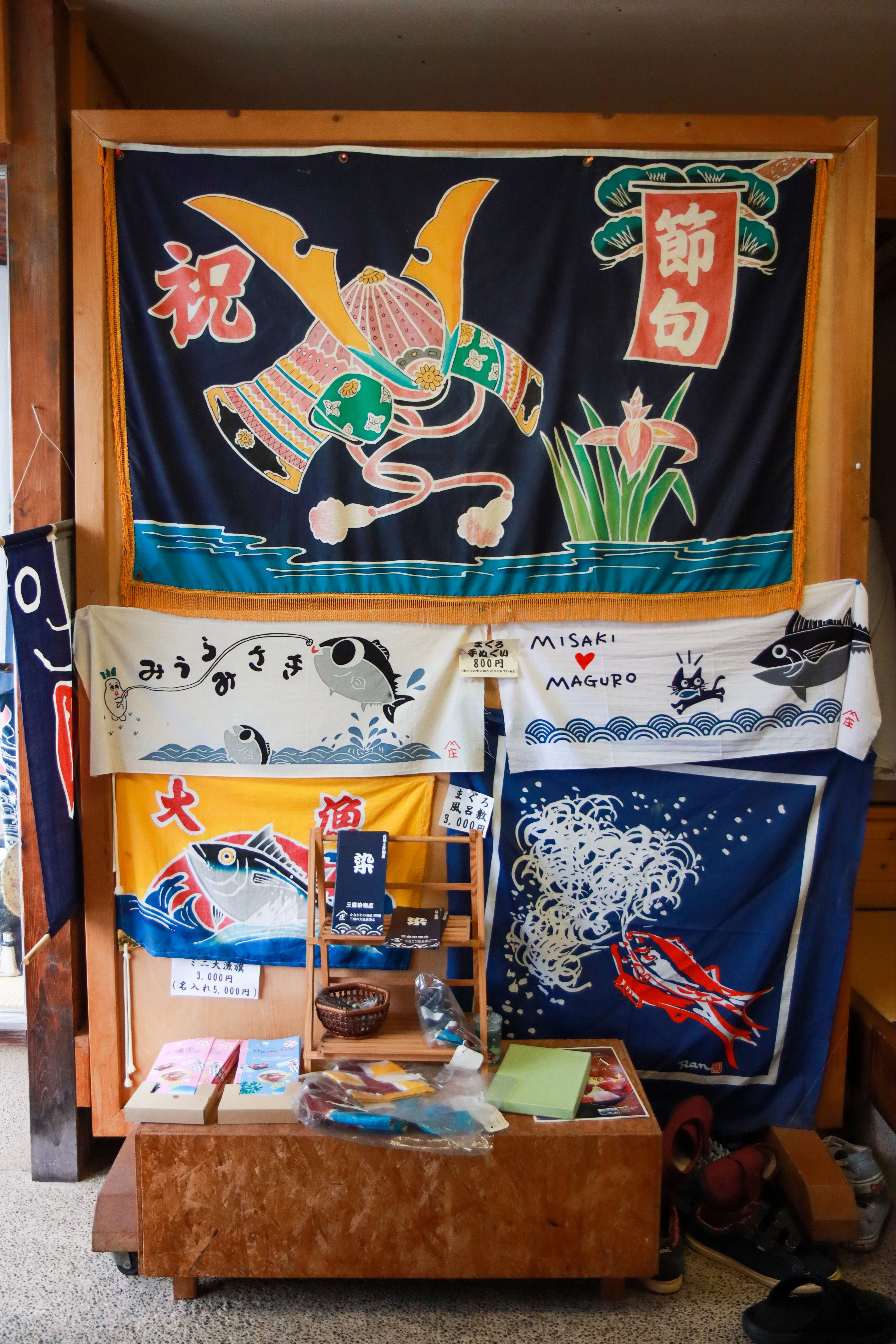
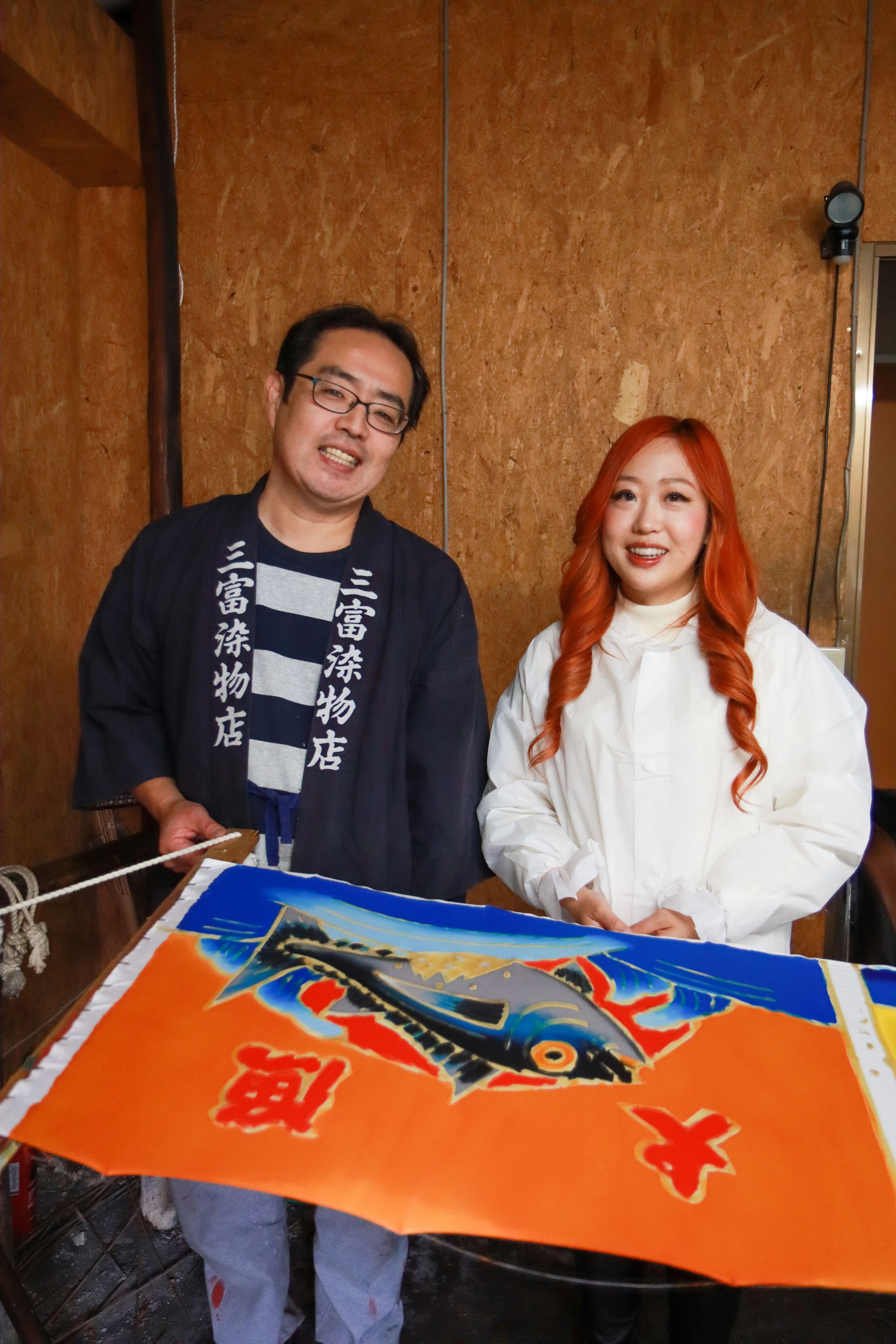
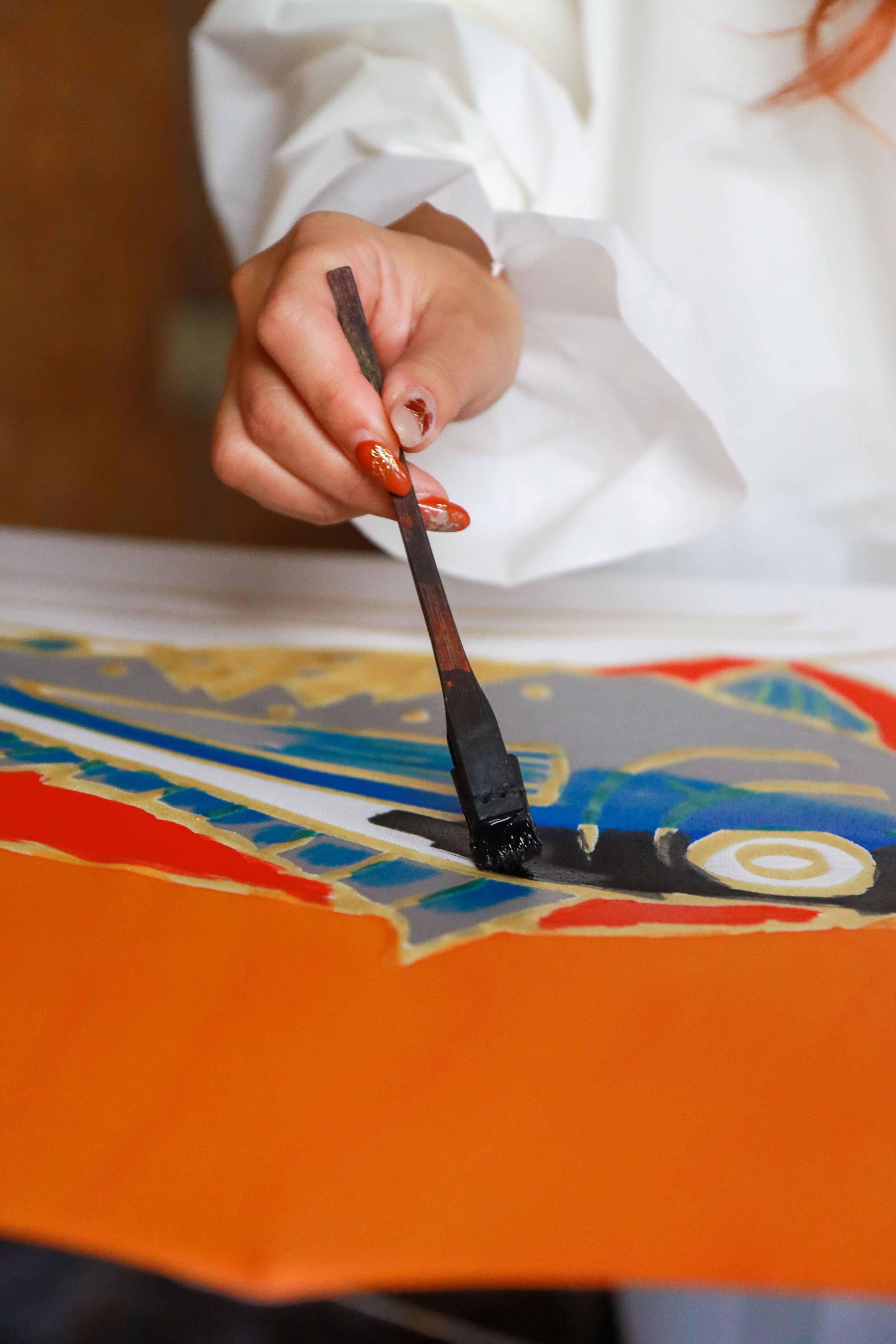
Big fish flag dyeing experience at Mitomi dyeing shop (三富染物店)
Tairyo-bata flags are given as gifts to celebrate new ships, praying for safe voyages and bountiful catches. They originate from the Edo period, and the dyeing technique has largely stayed the same. Here, you can try dyeing a small flag which takes around 1 hour. With the guidance of the Shokunin (craftsman) you can pick your own colors and make a unique flag of your own.
Price: ¥3,500 (The finished product will take 1 month, and they will mail it to you after)
Official website: https://www.m-some.com/
English friendly booking site here: https://en.activityjapan.com/publish/plan/39003
Takara Clay Studio
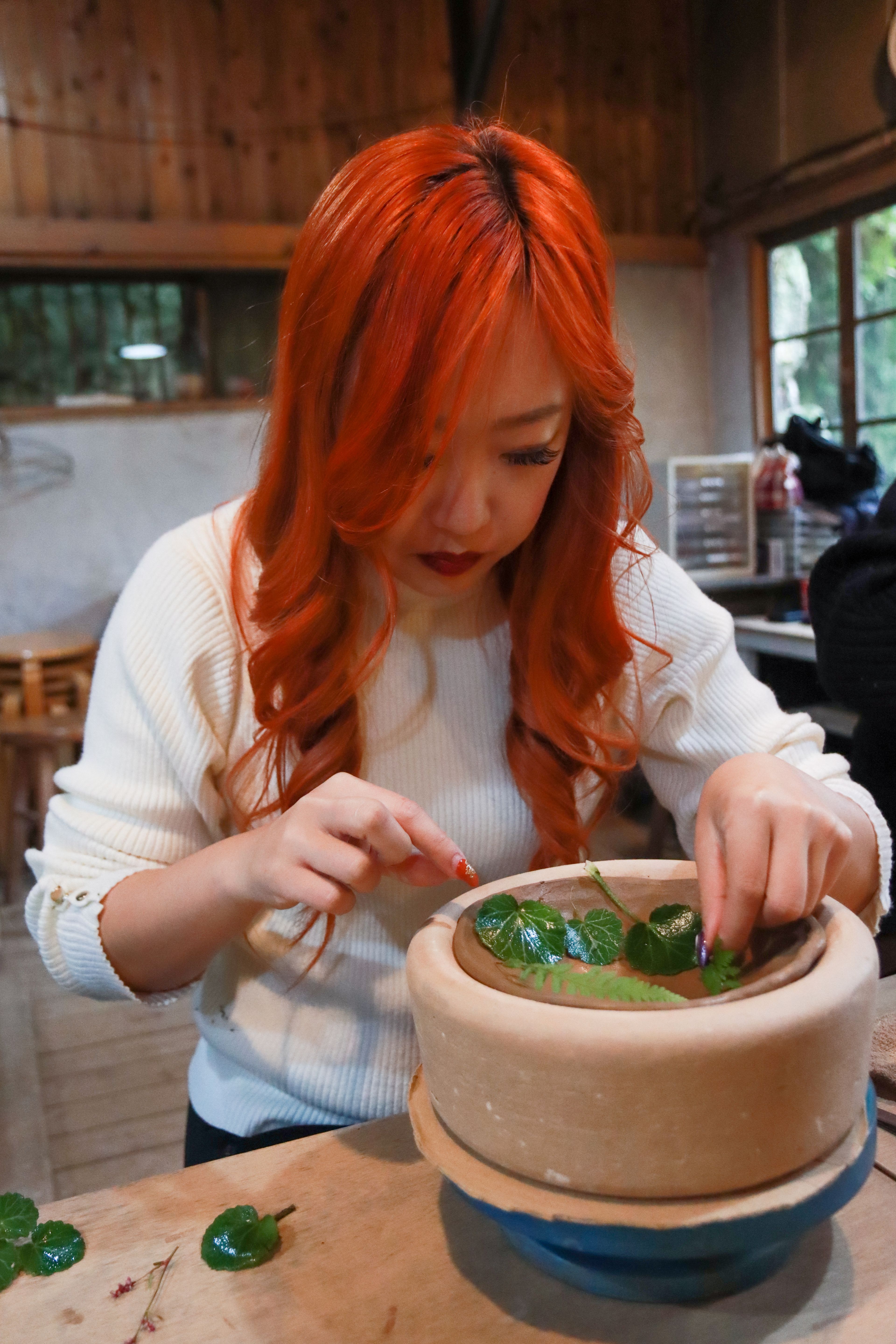
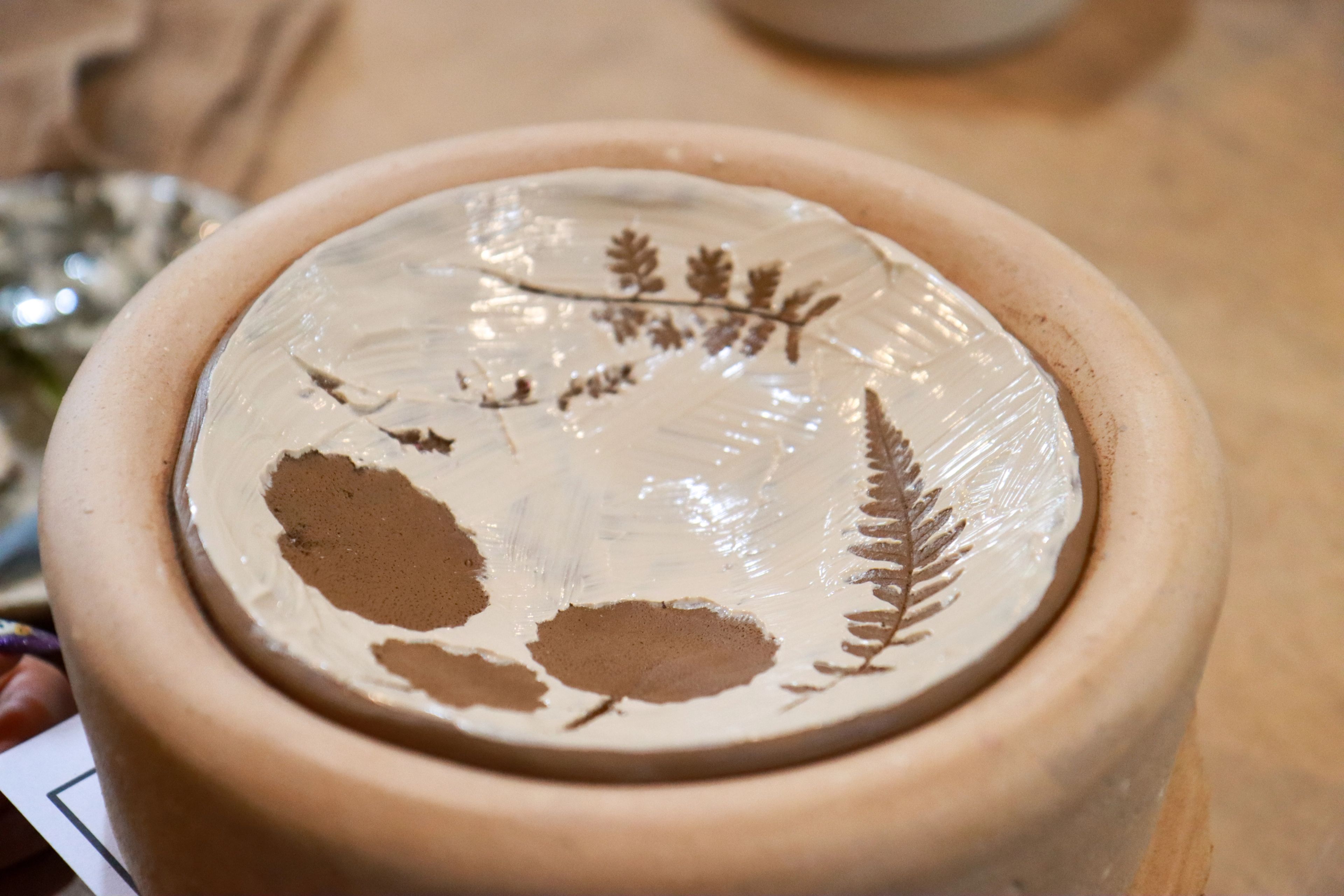
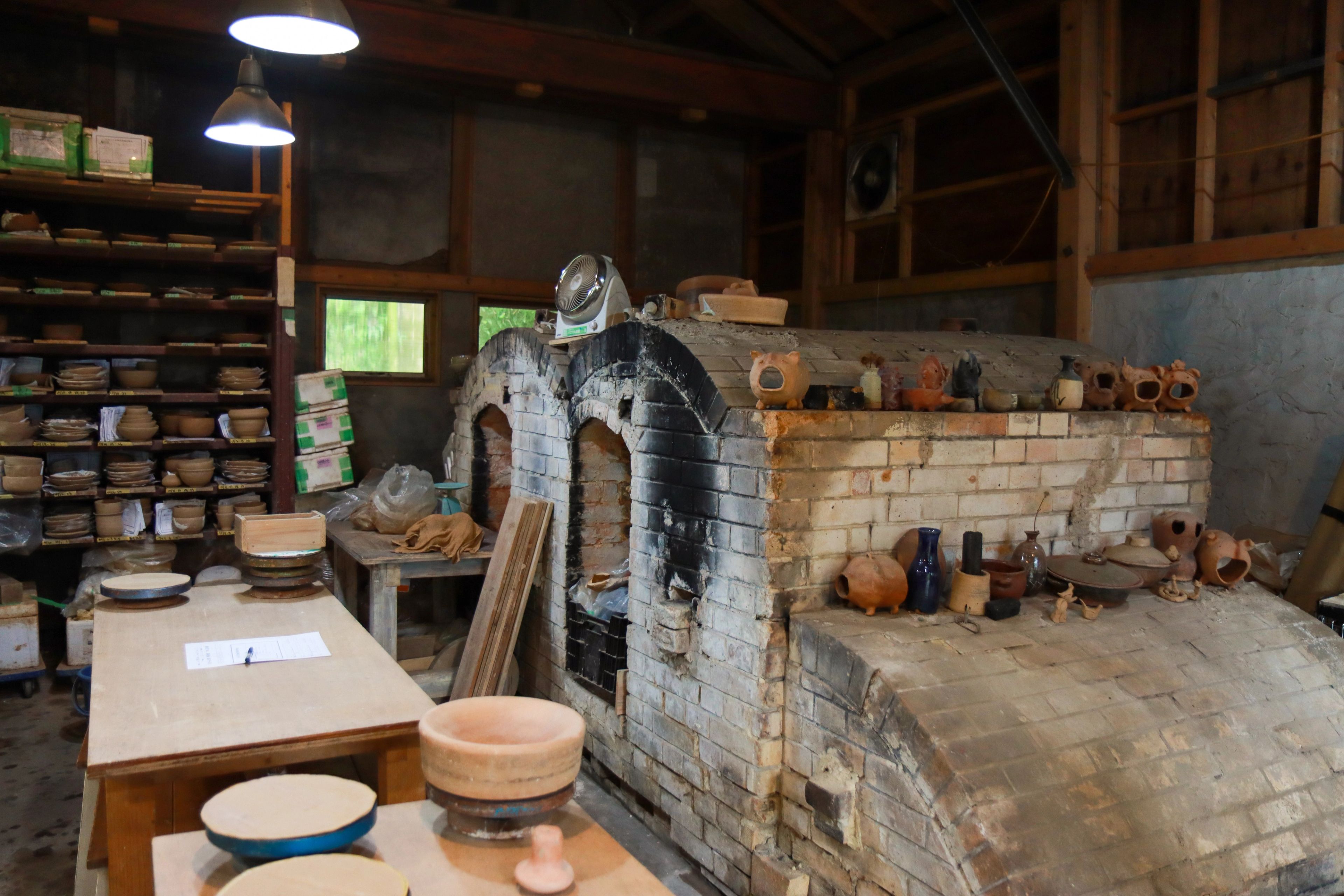
The shed is set up in the forests of Kamakura, and guests can make pottery which incorporates nature. The process takes around 90 minutes, and involves you picking leaves from right outside of the shed to imprint onto your plate.
Price: ¥3,400 (The finished product will take 2 months to complete, and they will mail it to you after)
Booking from official website: https://www.takaranokama.com/workshop-making-a-container-of-leav
Instagram: https://www.instagram.com/takaraclaystudio
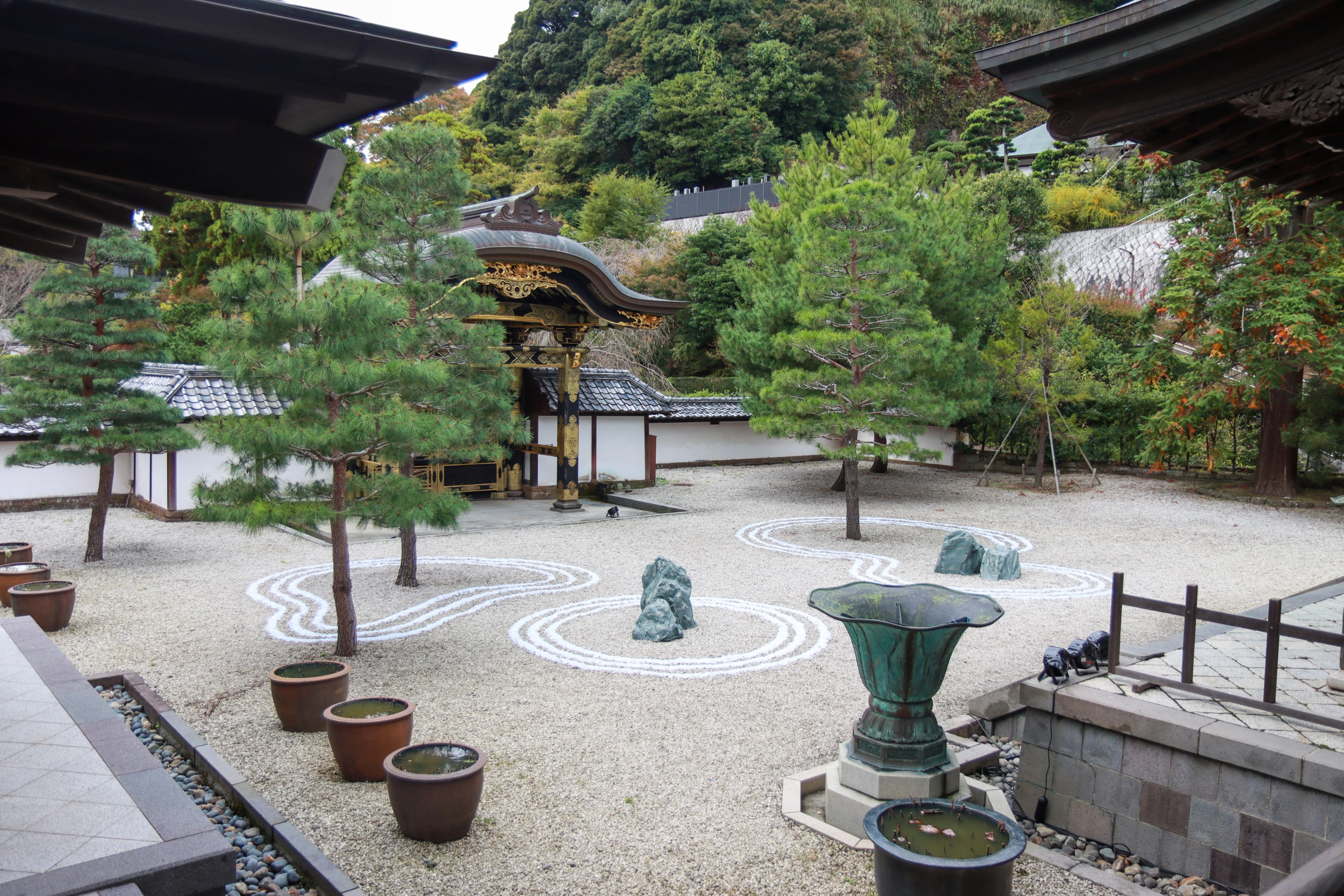
Kenchoji Temple (Sutra copying & monk’s lunch)
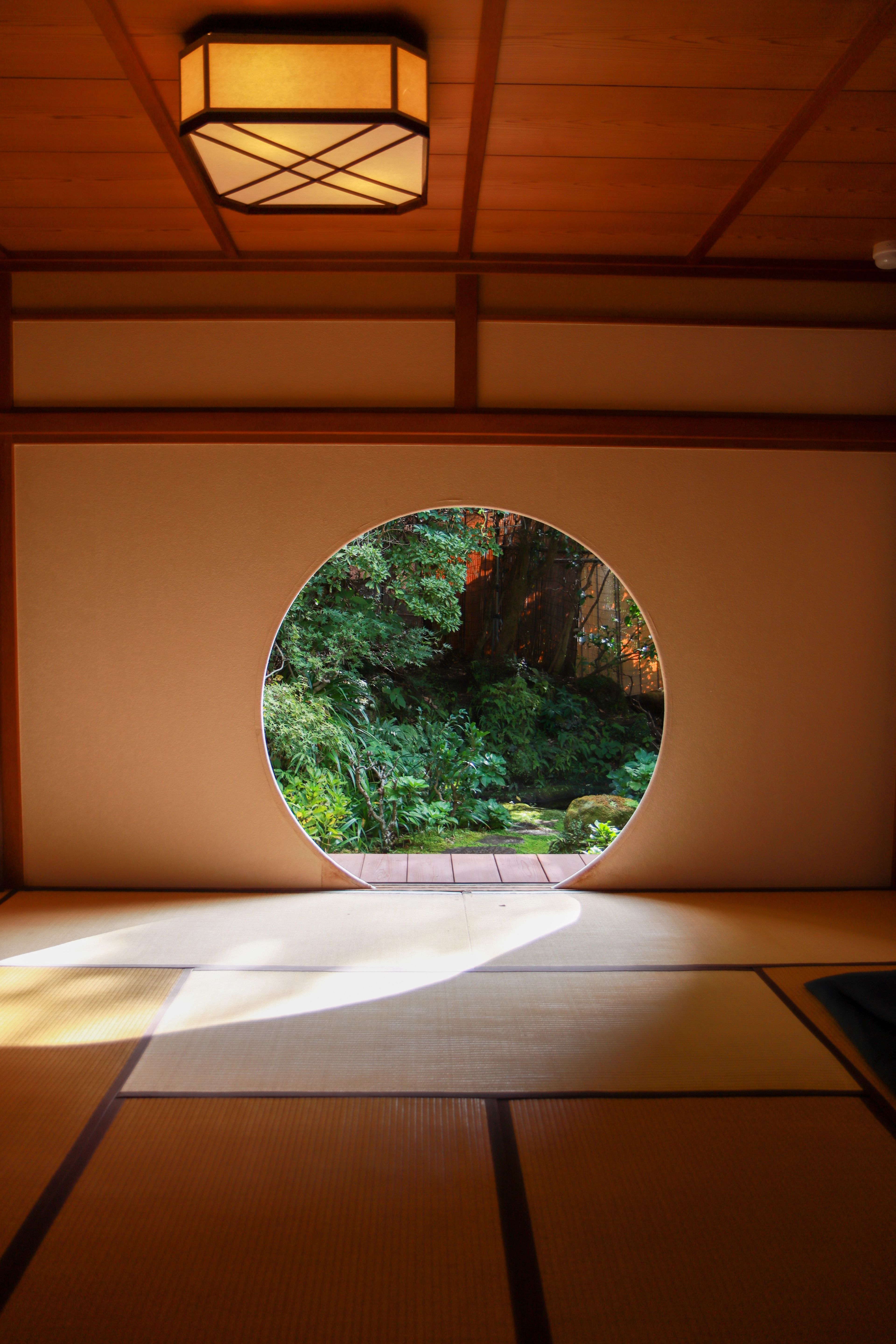
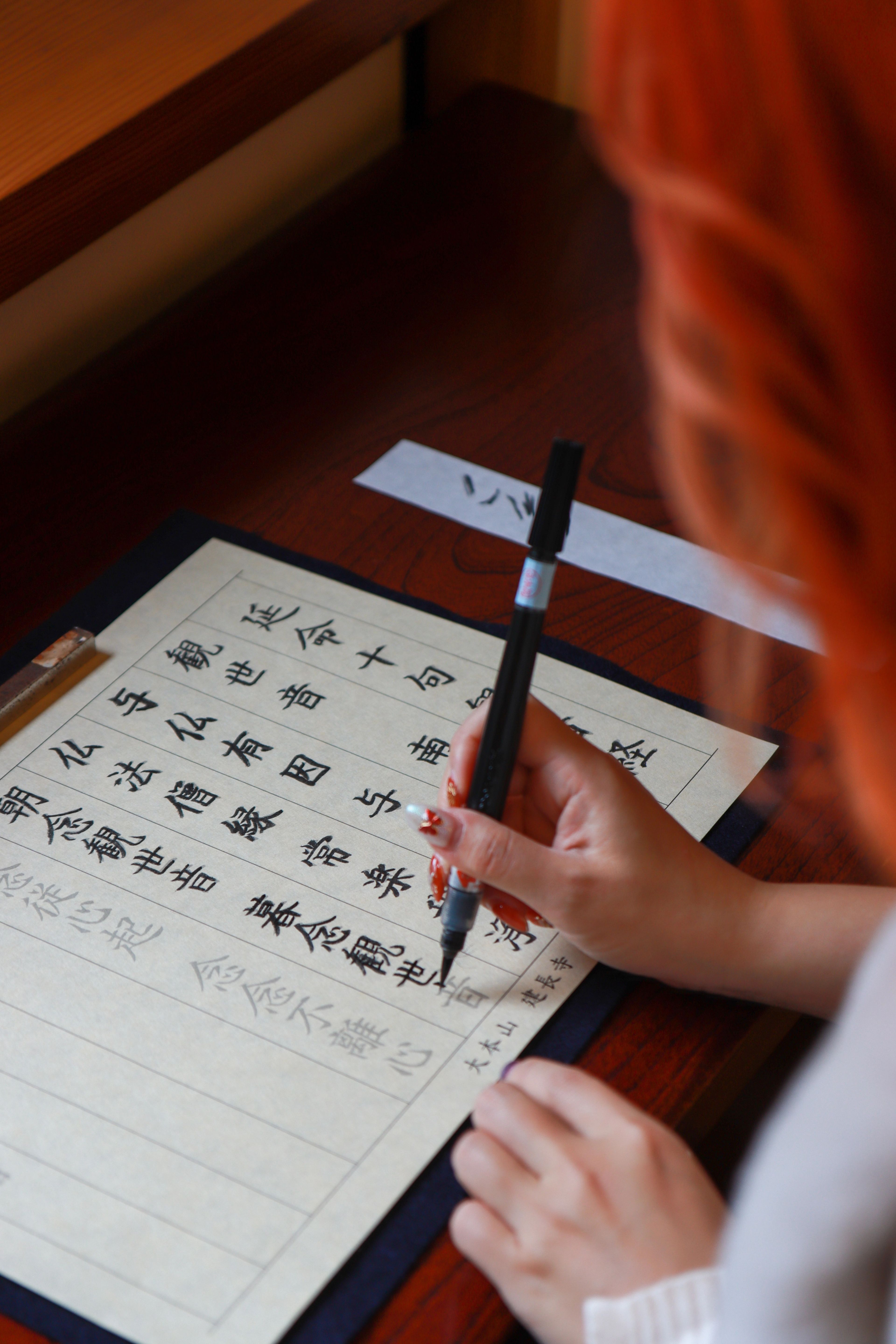
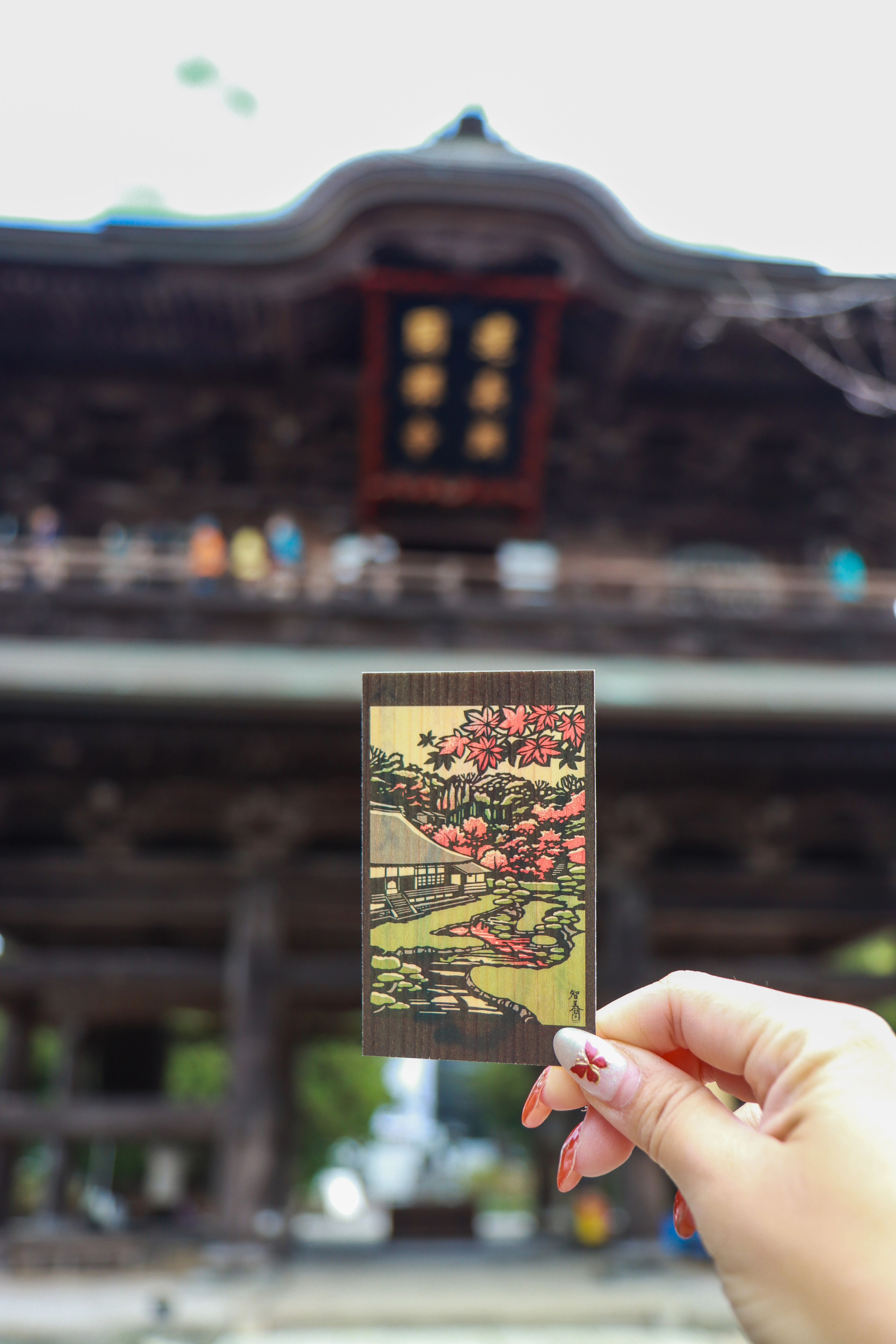
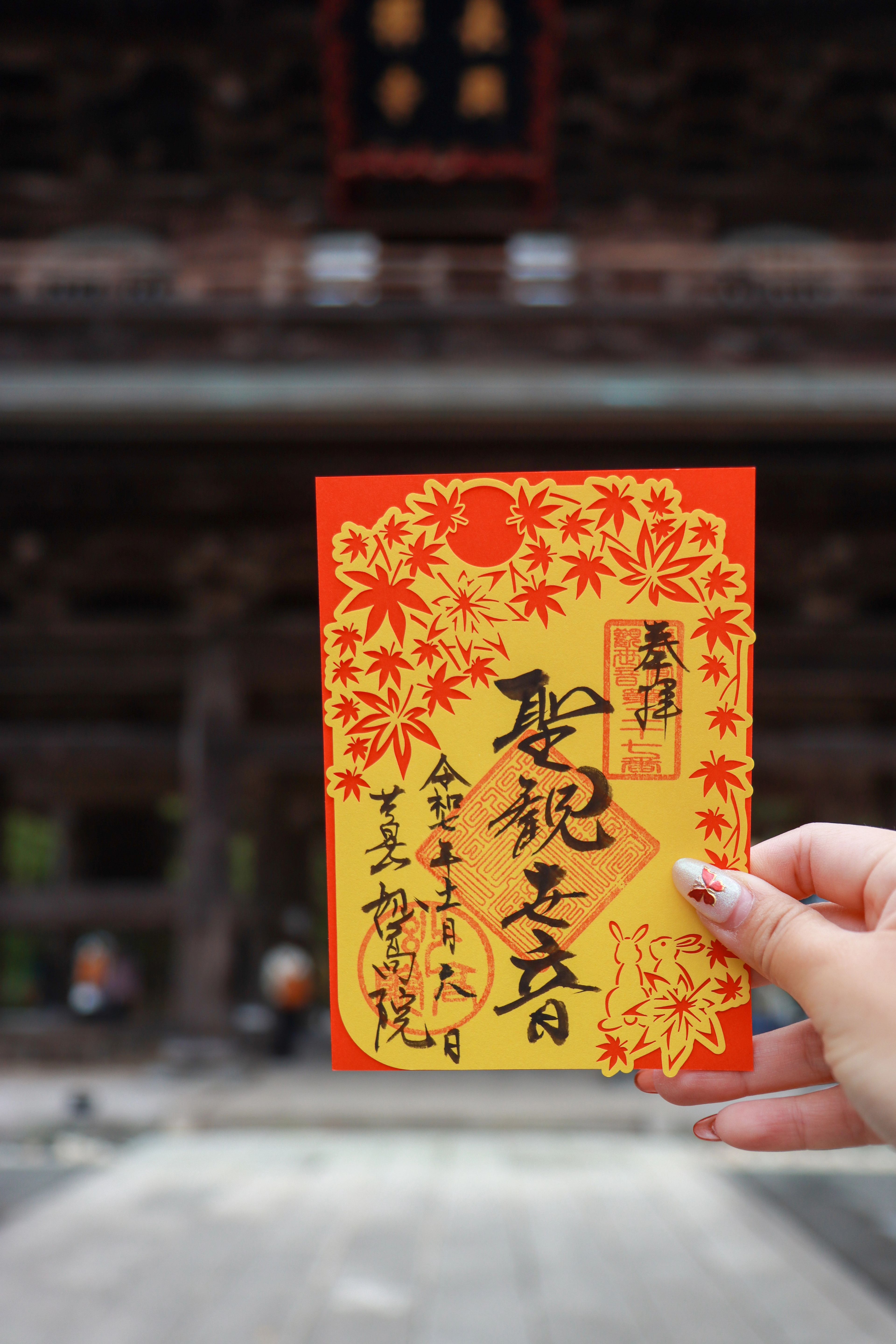
Established in 1253, it is Kamakura’s oldest zen temple. There, you can experience the calm practice of sutra copying which takes 20 or 60 minutes while looking at the beautiful Japanese garden right outside. There’s also beautiful goshuin you can collect to commemorate your visit.
Temple entry: ¥500
Sutra copying: ¥1,000
For other activities, check here: https://www.trip-kamakura.com/english/japanheritage-en/21486.html
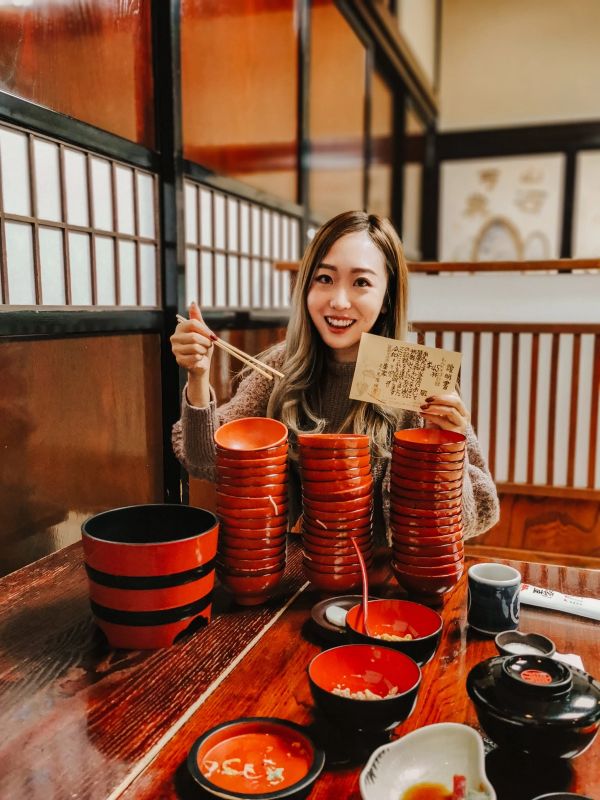
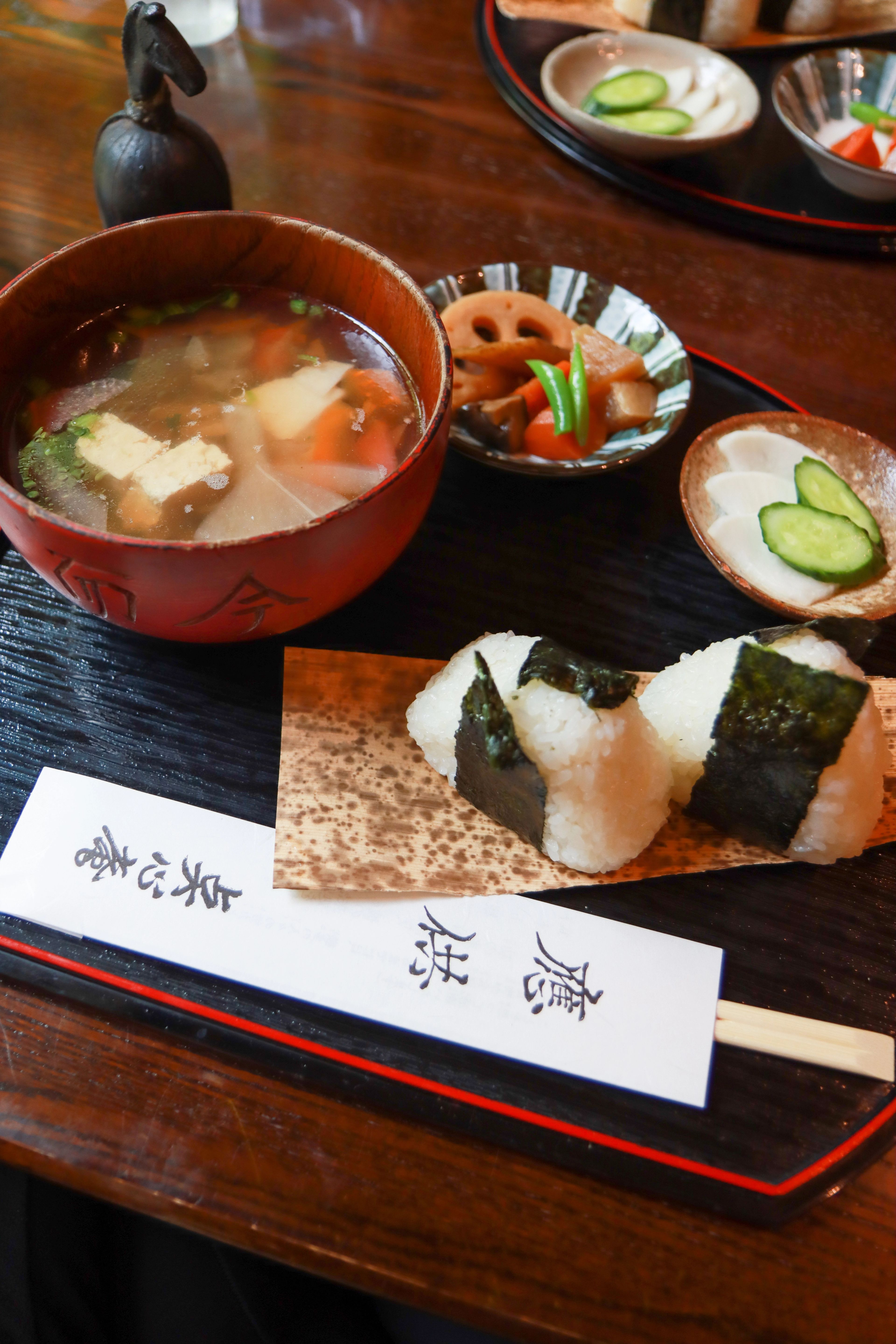
Right beside Kenchoji’s entrance is restaurant Tenshin-an 点心庵. It is a traditional Japanese restaurant that focuses on the zen aspect and pays respect to the monks of Kenchoji Temple. The lunch served there is prepared with ingredients approved by monks so you can get a taste of what it is like to be one of them. In the back of the restaurant is also a zen room where you can clear you remind and enjoy the serene view.
Official website: http://tenshin-an.com/en/
Morito Daimyojin Shrine (cute omikuji holder)
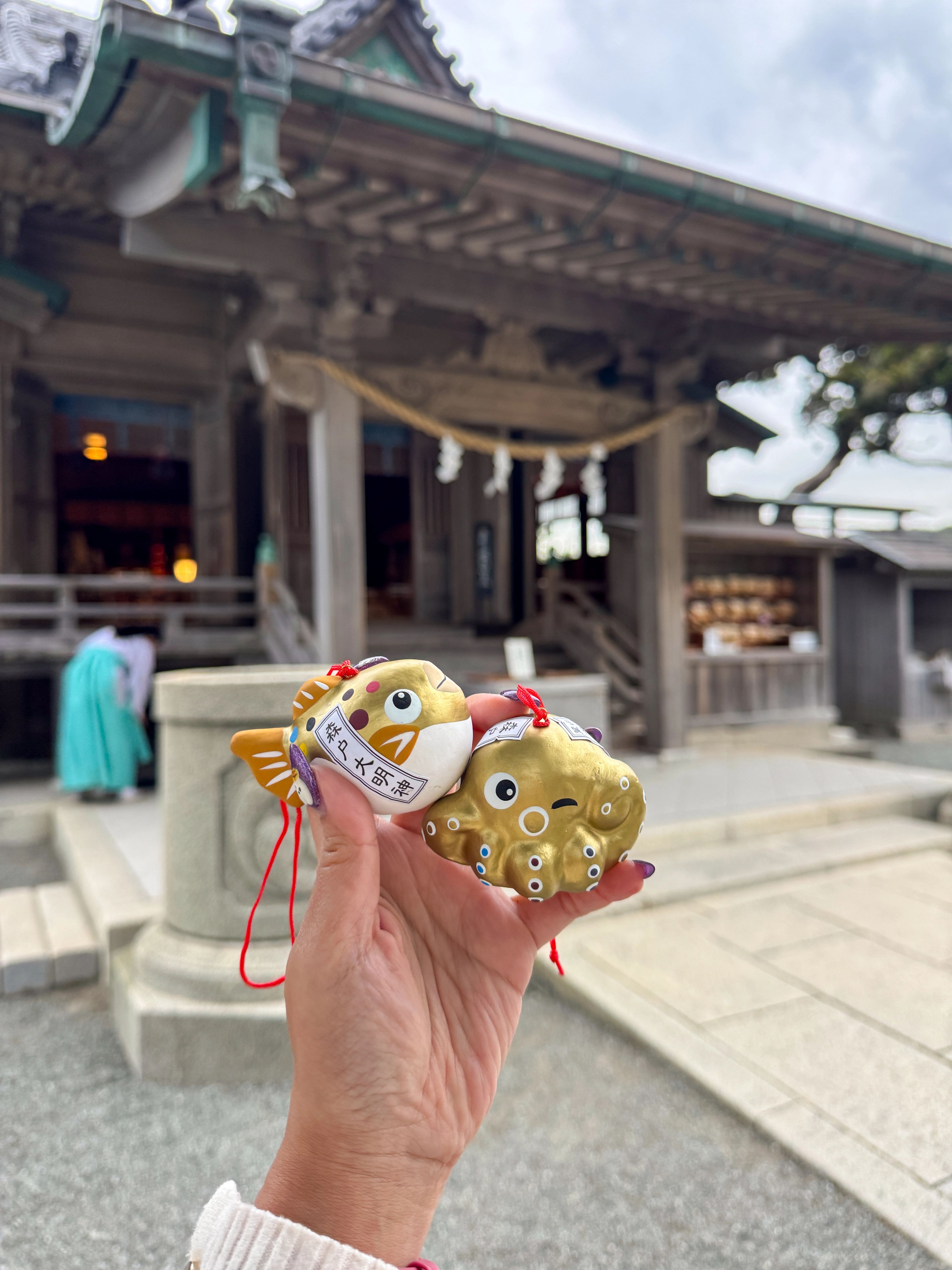
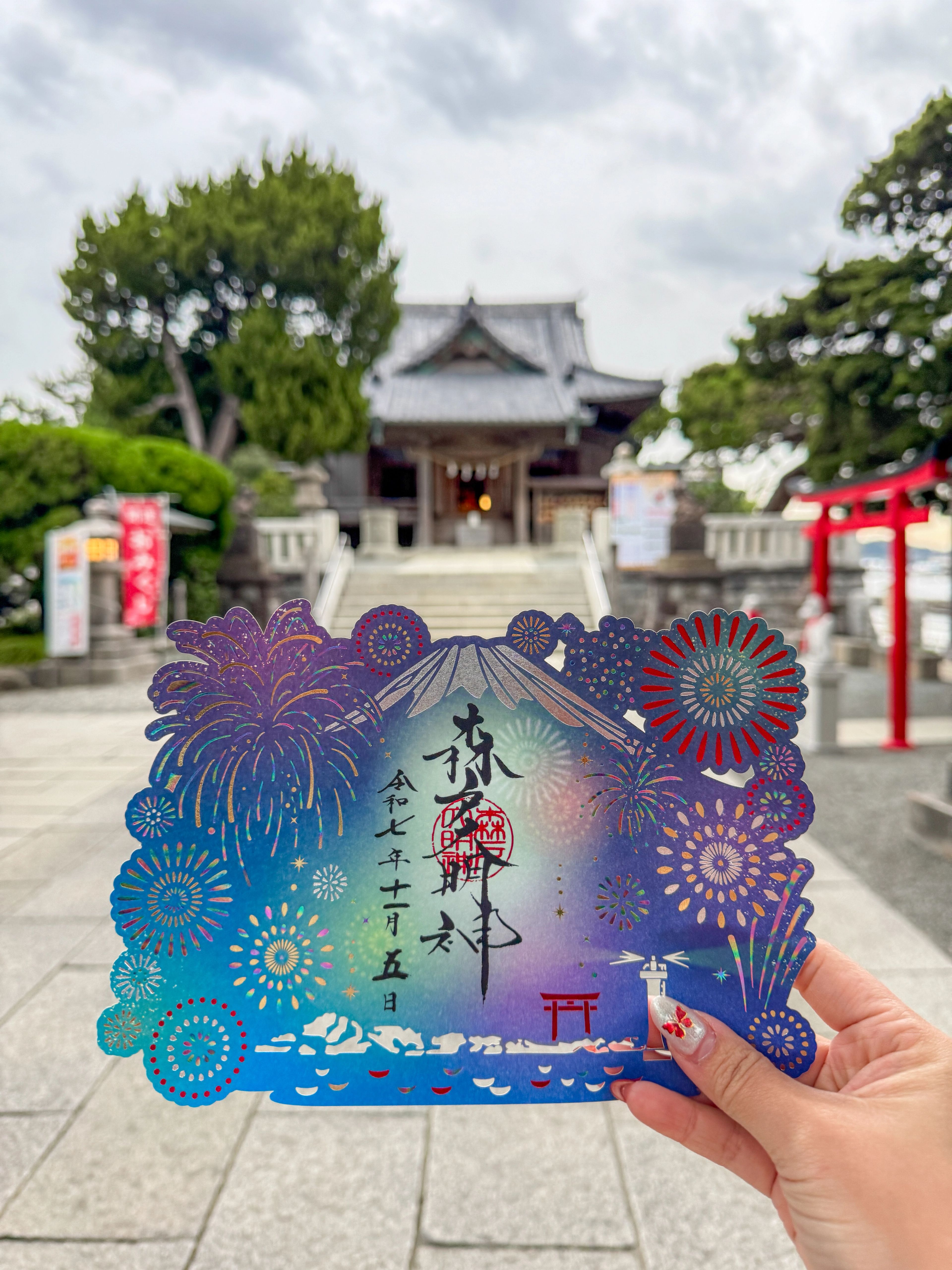
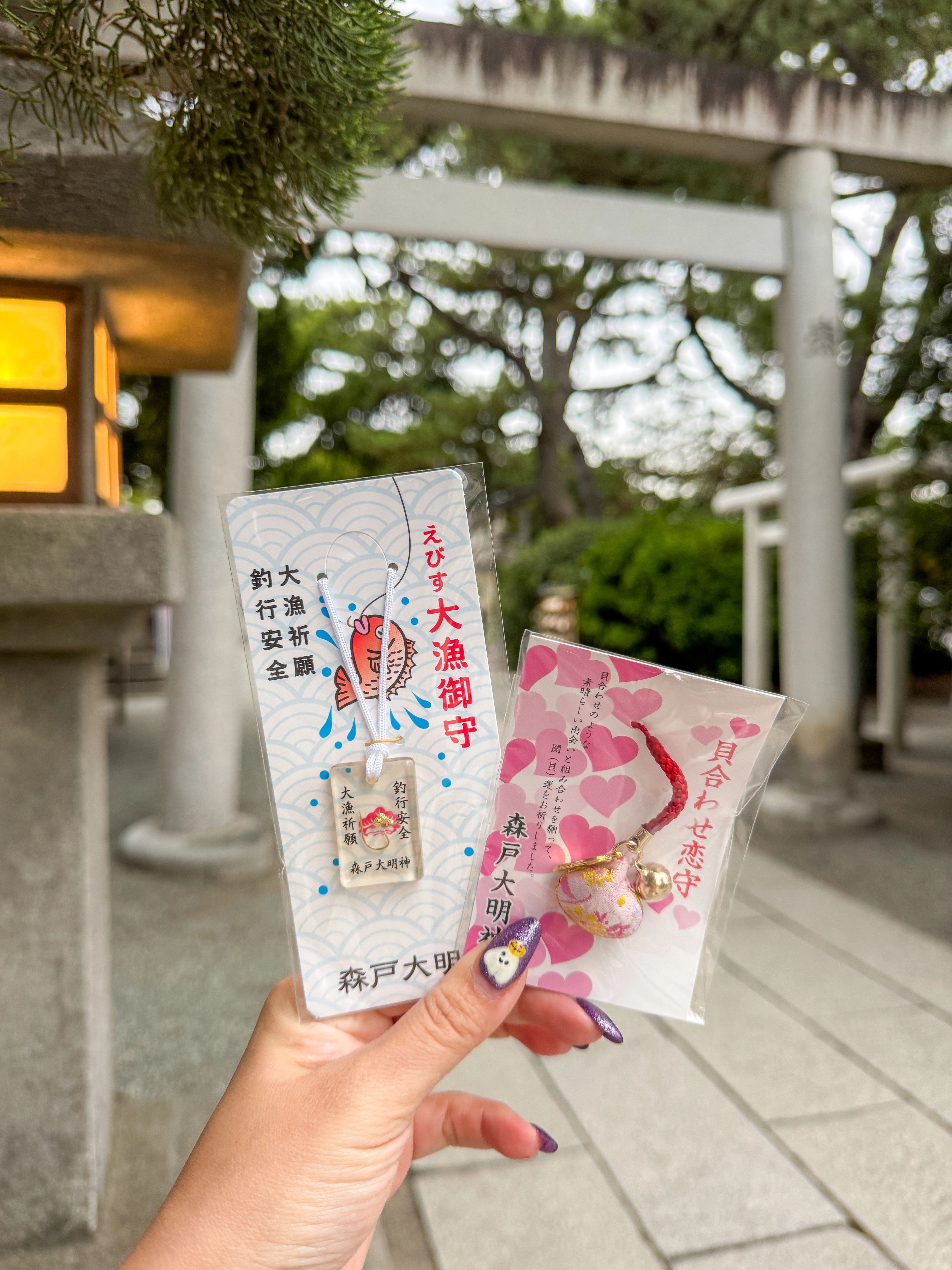
This shrine sits right on the western coast between Miura and Kamakura. It has a stunning view of the ocean, and you can even see Mount Fuji on a clear day. What I love about this shrine are the little details related to the ocean. For example you can fish out omikuji fortunes in cute holders of different sea animals such as puffer fish and octopus. There’s also an omamori amulet with a fish hook inside that wishes for a good harvest.
Official website: https://www.moritojinja.jp/
Jodo sect Kongosan Shochojuin Daimido Jorakuji Temple (meditation)
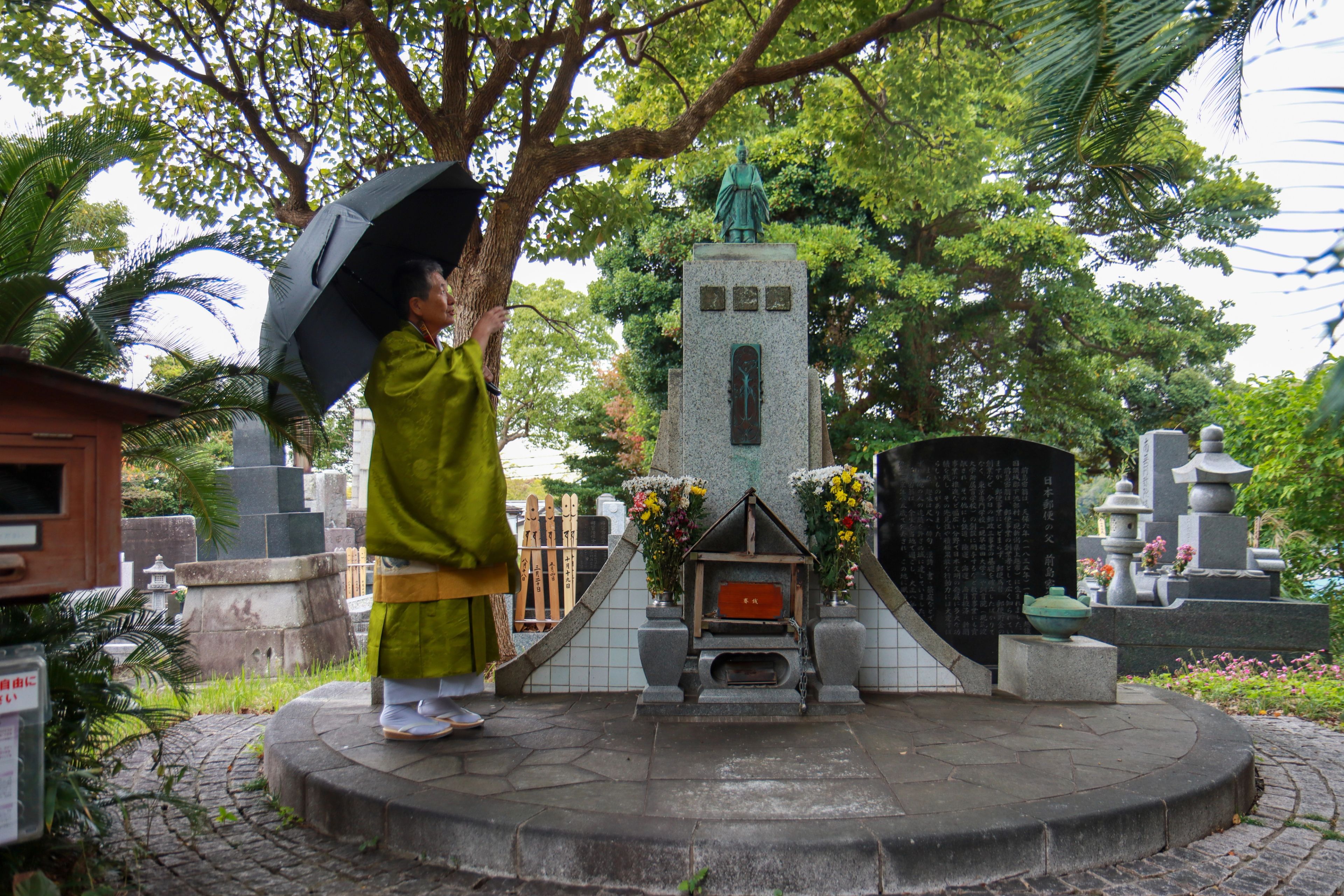
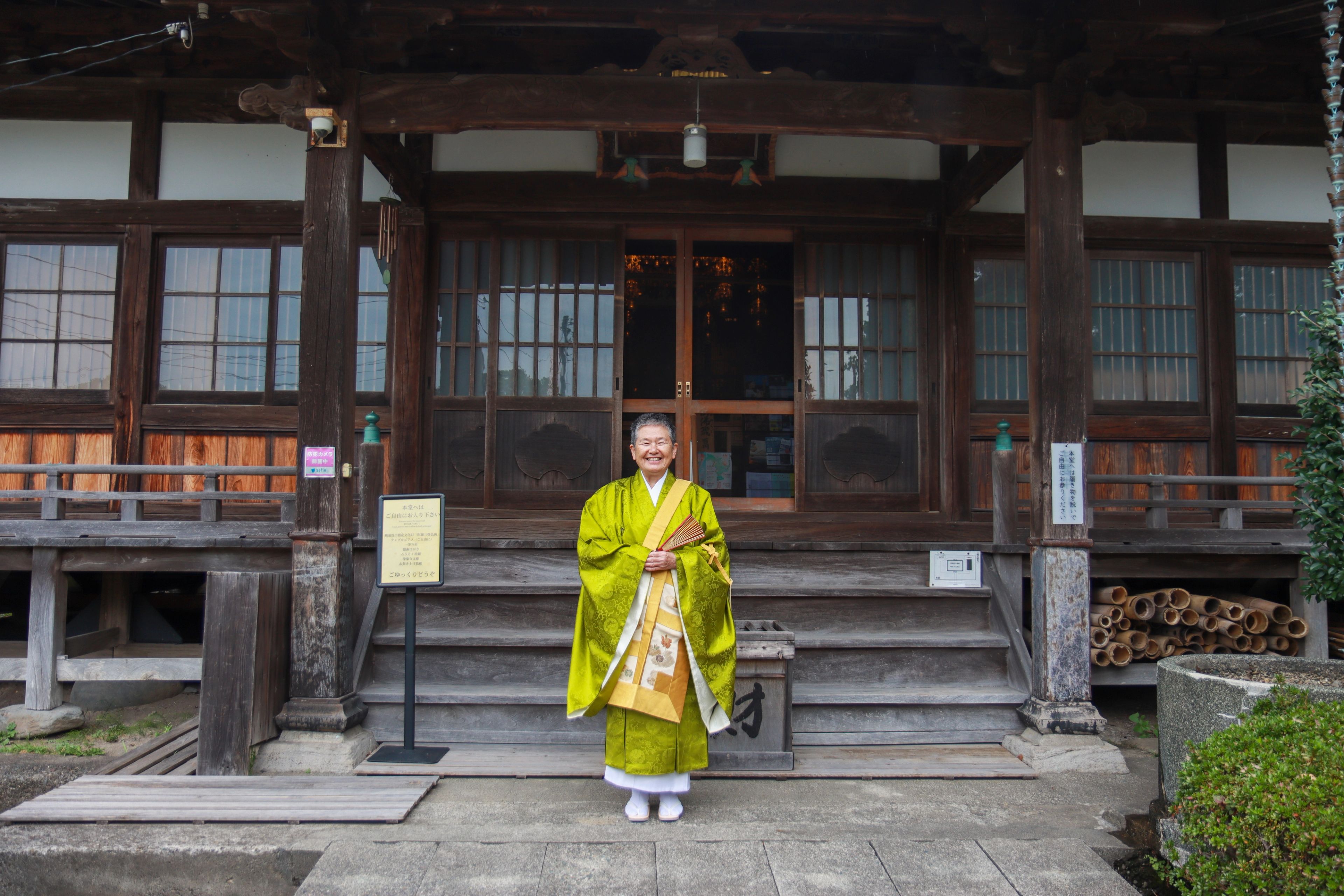
At Jorakuji, you can see 5 of Japan's 22 genuine Unkei statues. It’s a place where you can especially experience a prayer in the dark. This is a re-enactment of the Kamakura period, where visitors are only allowed to visit by candlelight. After an explanation from the head priest and deputy head priest, sutras are chanted, prayers are made, and prayer plaques are given out in the dark. The grave of Maejima Hisoka, aka the father of the Postal System in Japan, can also be seen here.
Booking website: https://www.jorakuji-jodoshu.com/sanpai
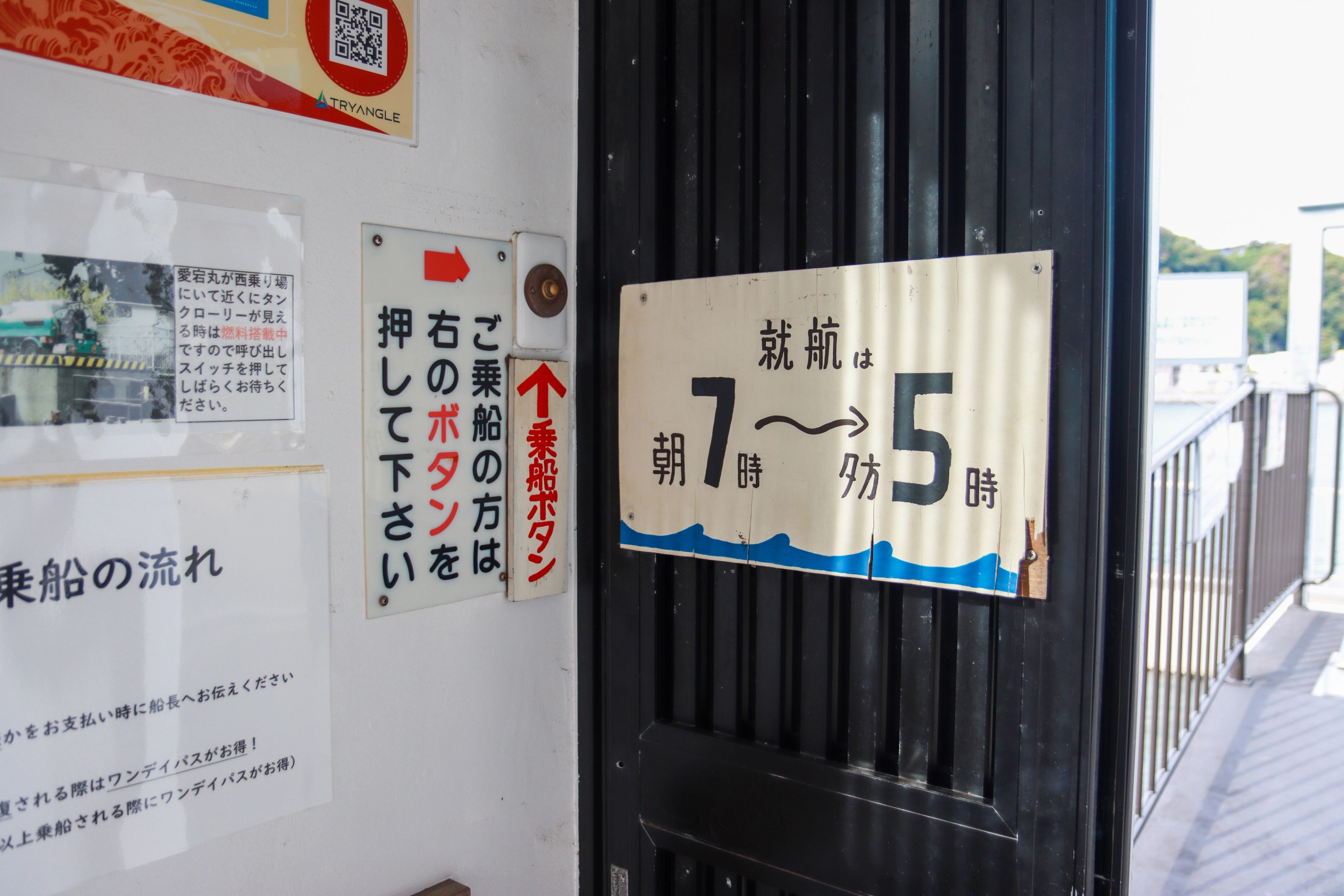
Uraga's ferry Atago Maru
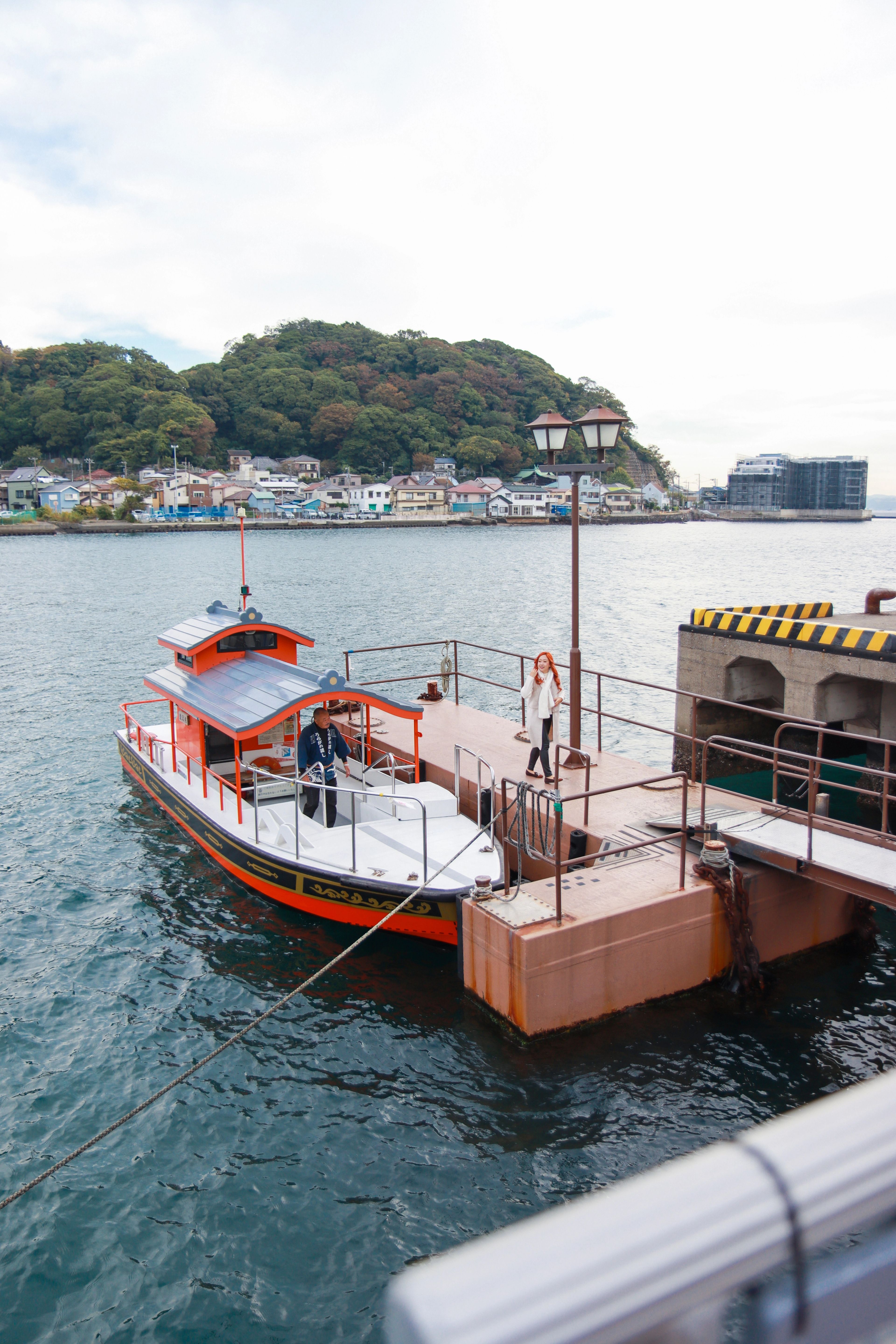
Dating back to the Edo period around 1725, the Uraga ferry has been an essential part of daily life even up to today. Currently there’s a vermission-colored boat called the “Atago Maru” carries people back and forth. The design was inspired by the portable shrines during the Higashikano Shrine Festival.
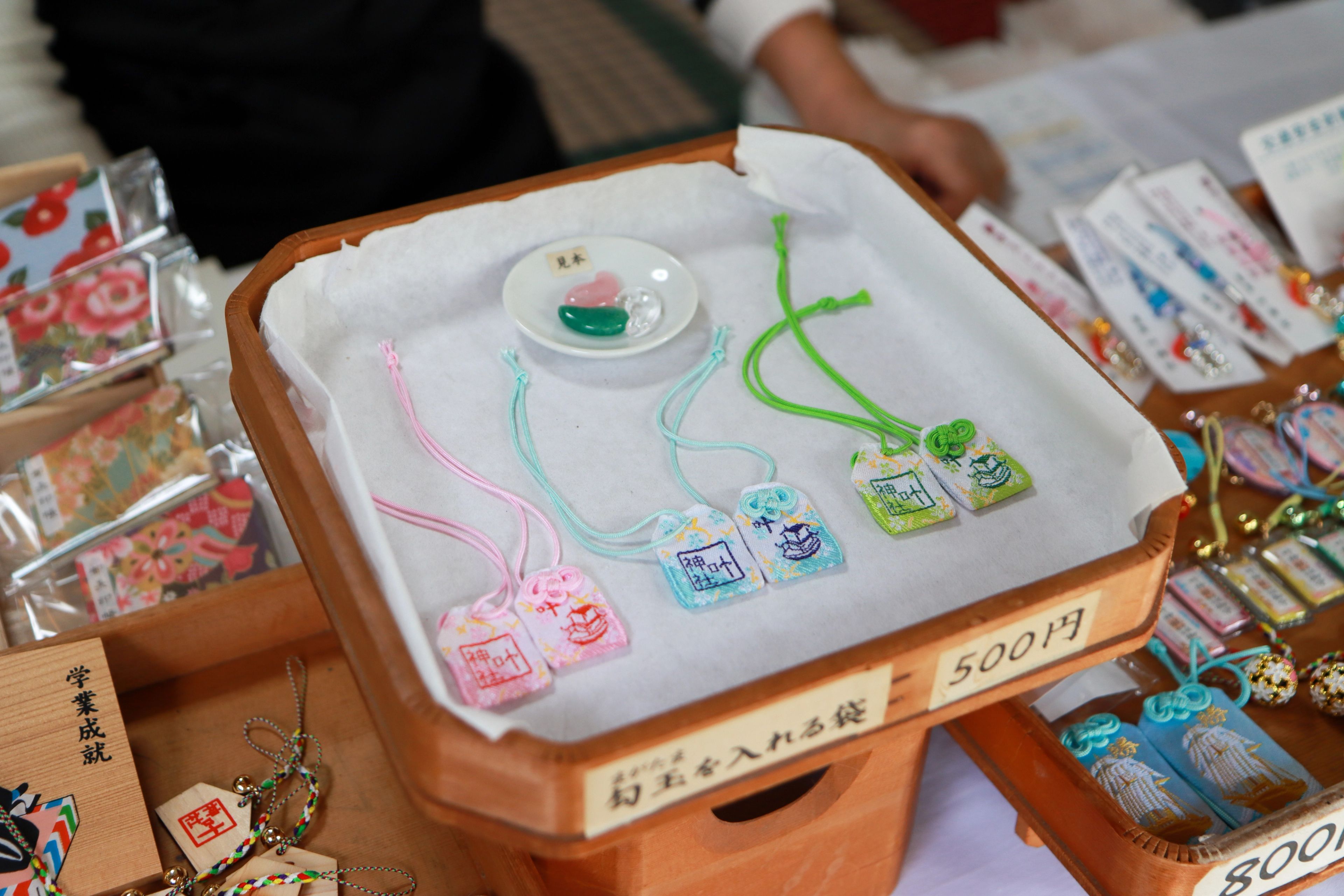
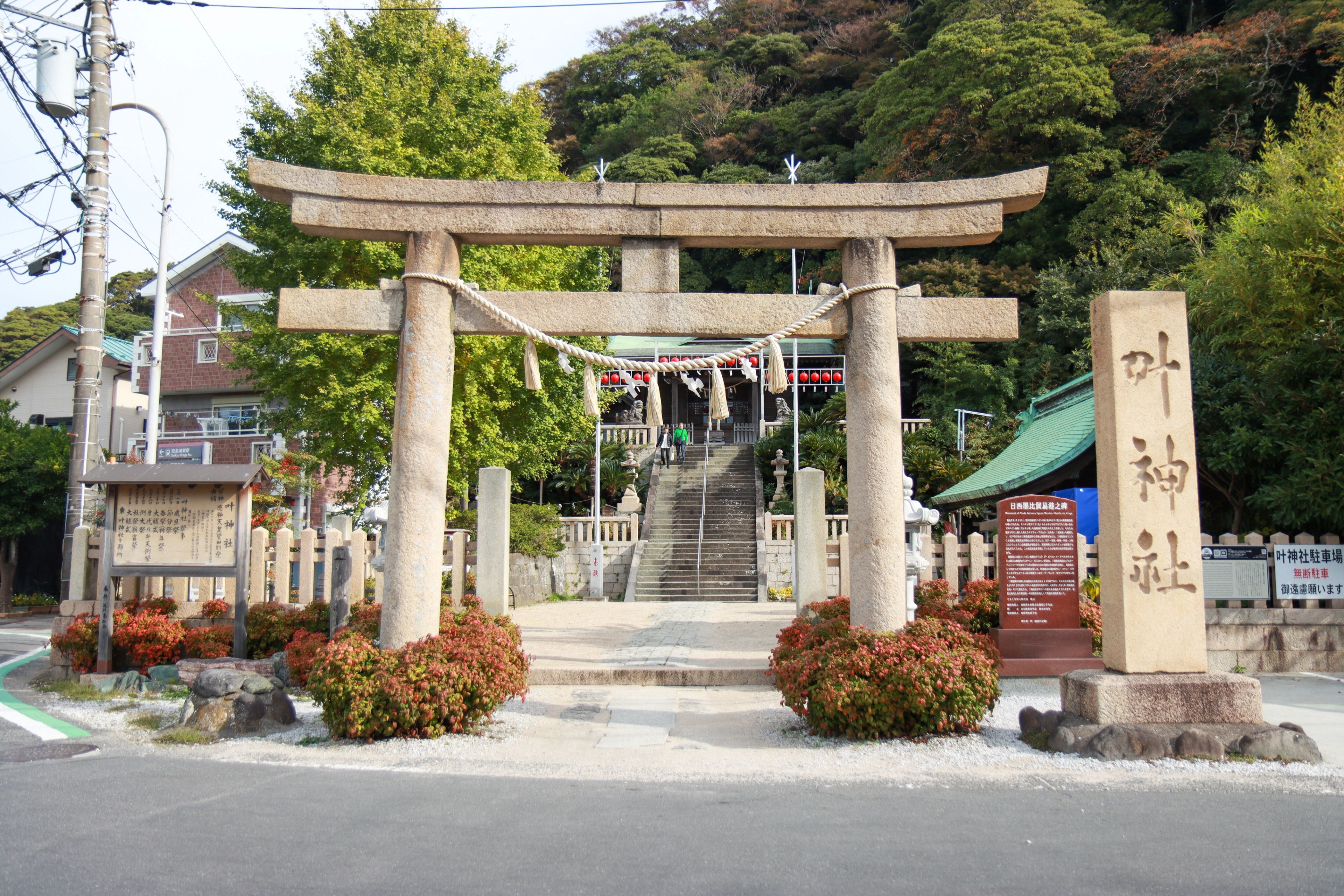
Higashikano Shrine 東叶神社 itself is a short walk from the east pier, and you can get very special omamori amulets and goshuin to commemorate your visit.
More details: https://ponponsen.jp/en/
Good food
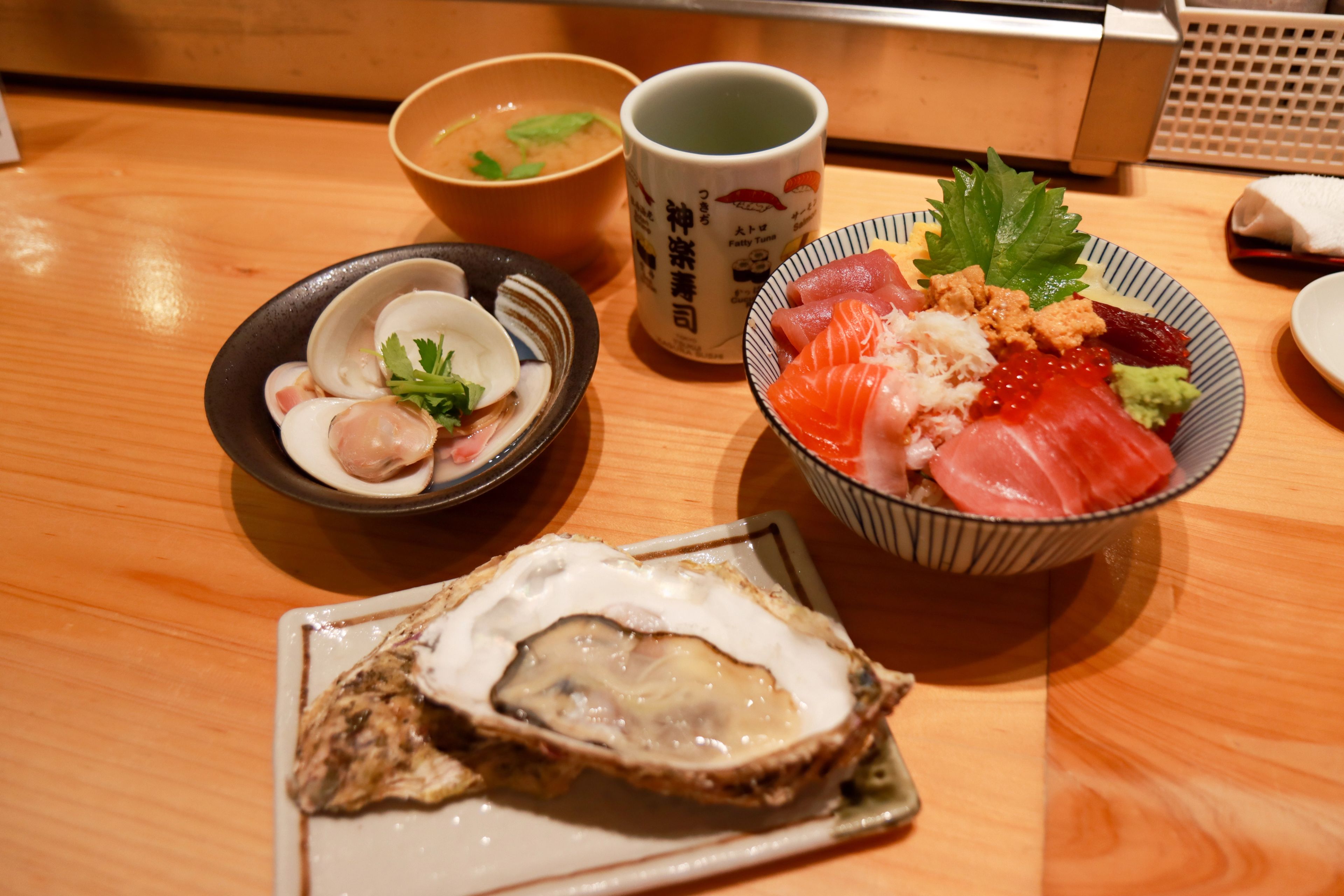
Being surrounded by the ocean, Tokyo and Kanagawa enjoy bountiful fresh seafood, and there are many restaurants you can enjoy amazing food at. We were able to dine at many amazing restaurants throughout the trip, and here are the highlights:
Toyosu market
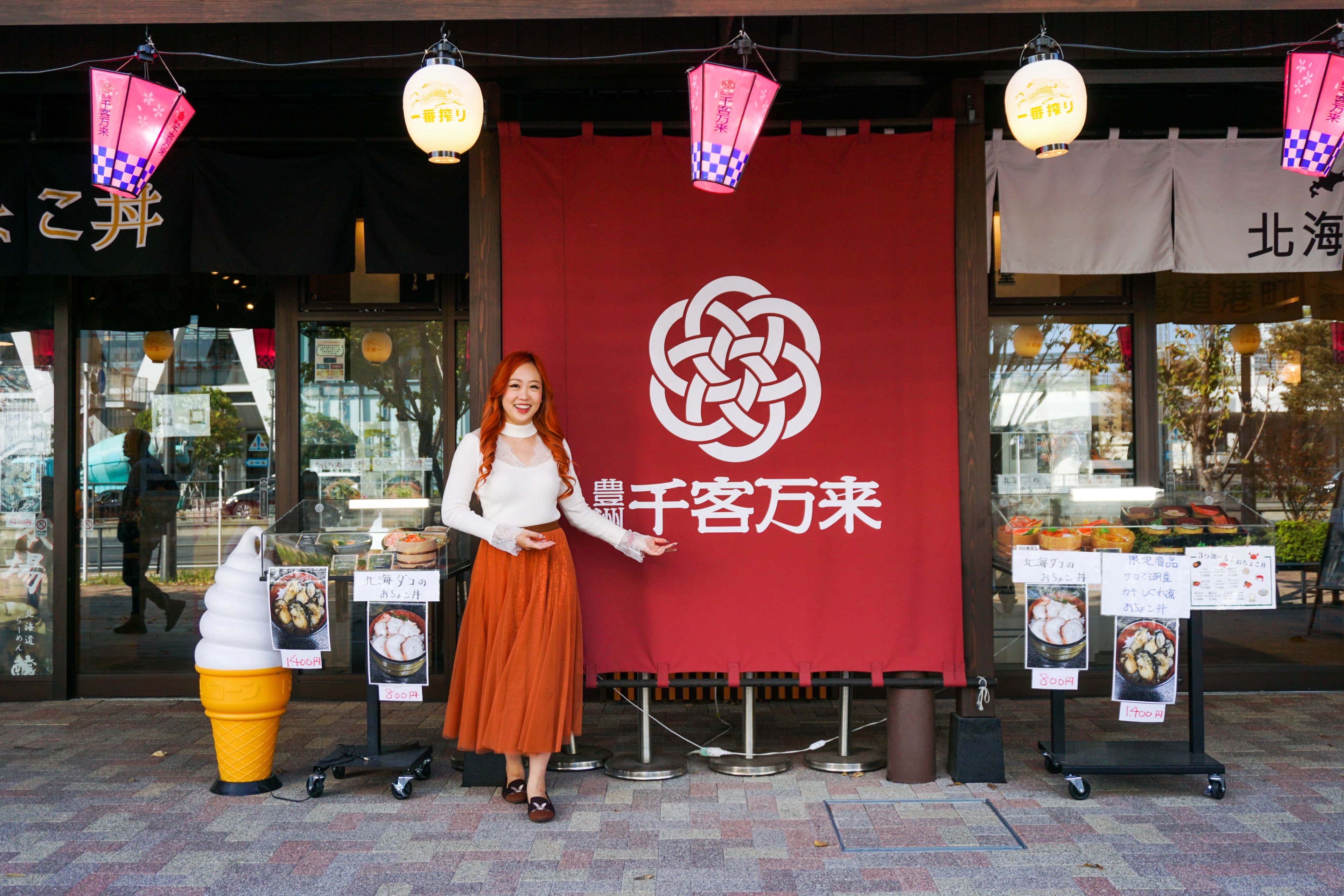
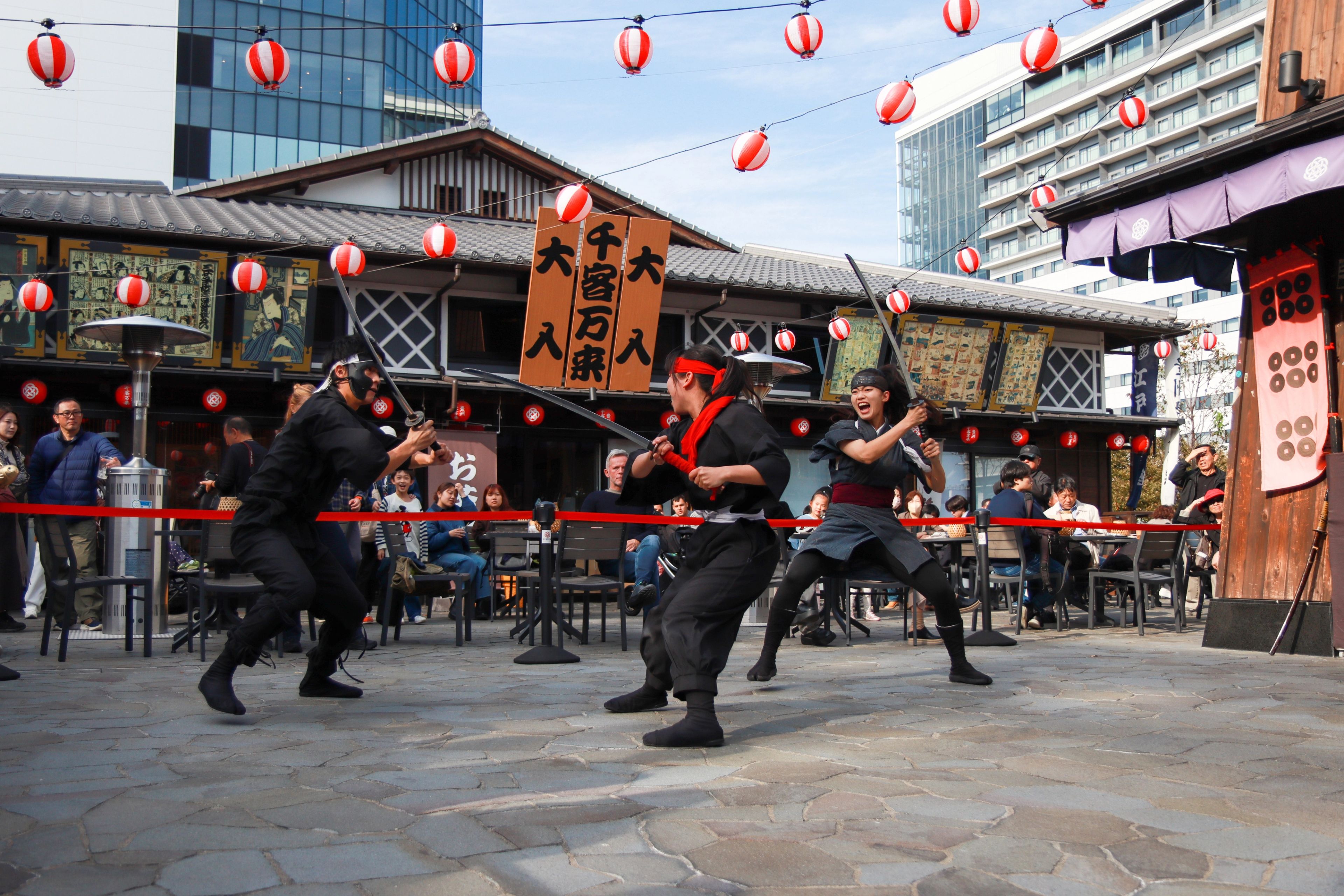
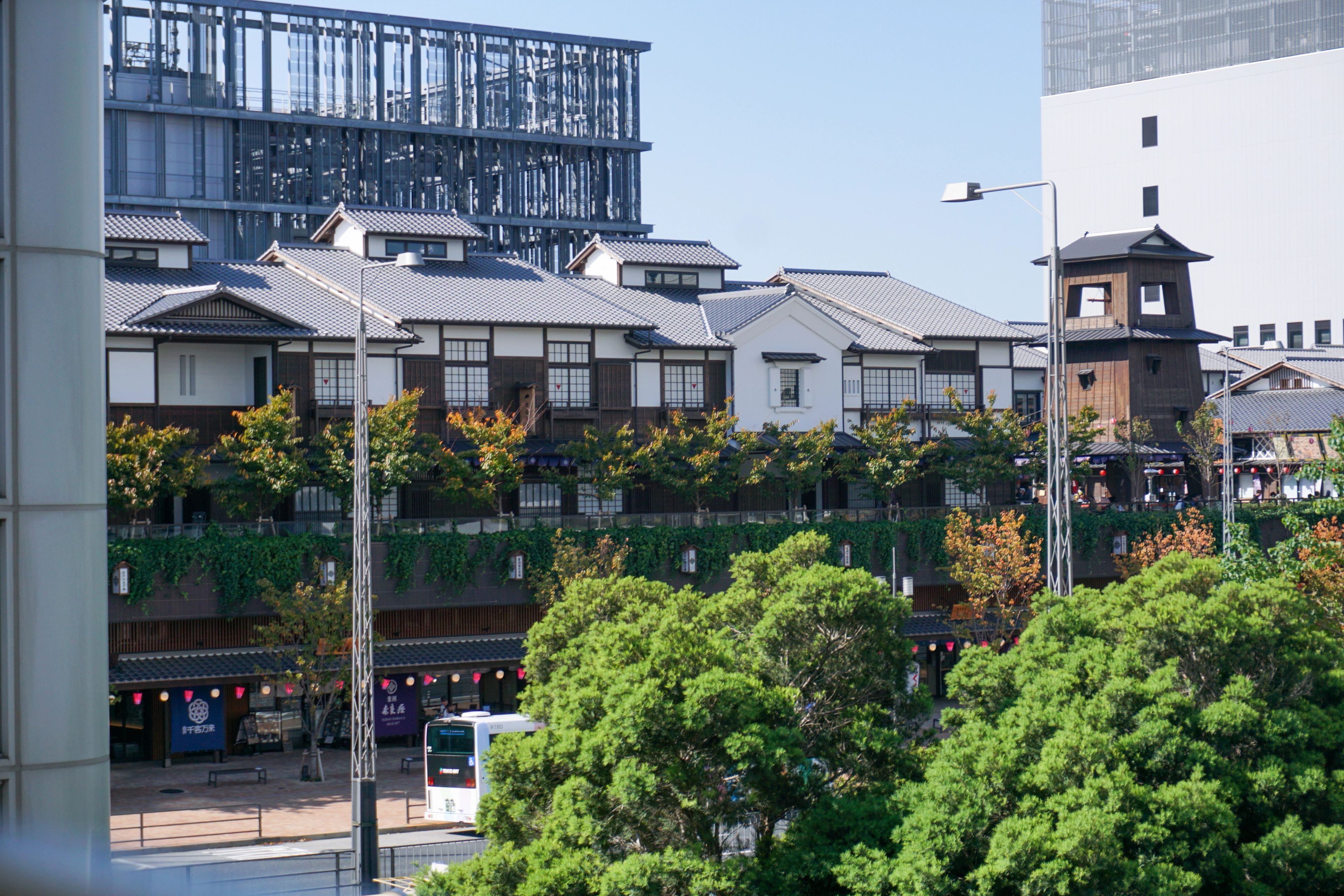
Toyosu market replaced Tsukiji in 2018 as the new wholesale market. It is where the famous Tuna auctions take place in the early morning. The top sale is currently ¥333.6 million yen, made in 2019. You can visit the wholesale area to see the action, and afterwards head to Senkyaku Banrai which opened in 2024. It’s full of restaurants, has a free rooftop foot bath area with a stunning view of the harbor, and also a ninja show at the central square area for visitors to feel the atmosphere of the Edo period.
Website: https://www.toyosu-senkyakubanrai.jp/languages/en/
Yokohama Chinatown
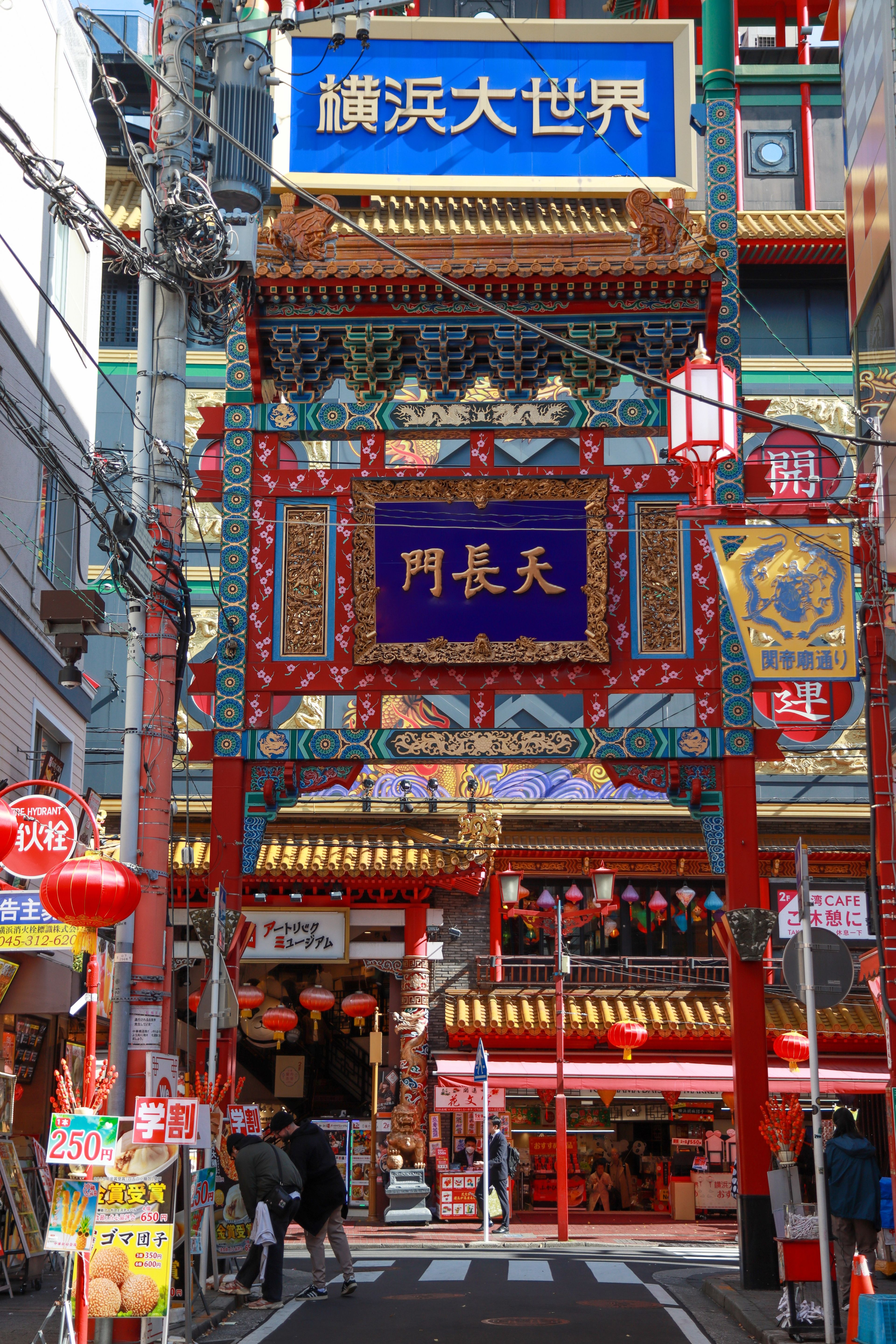
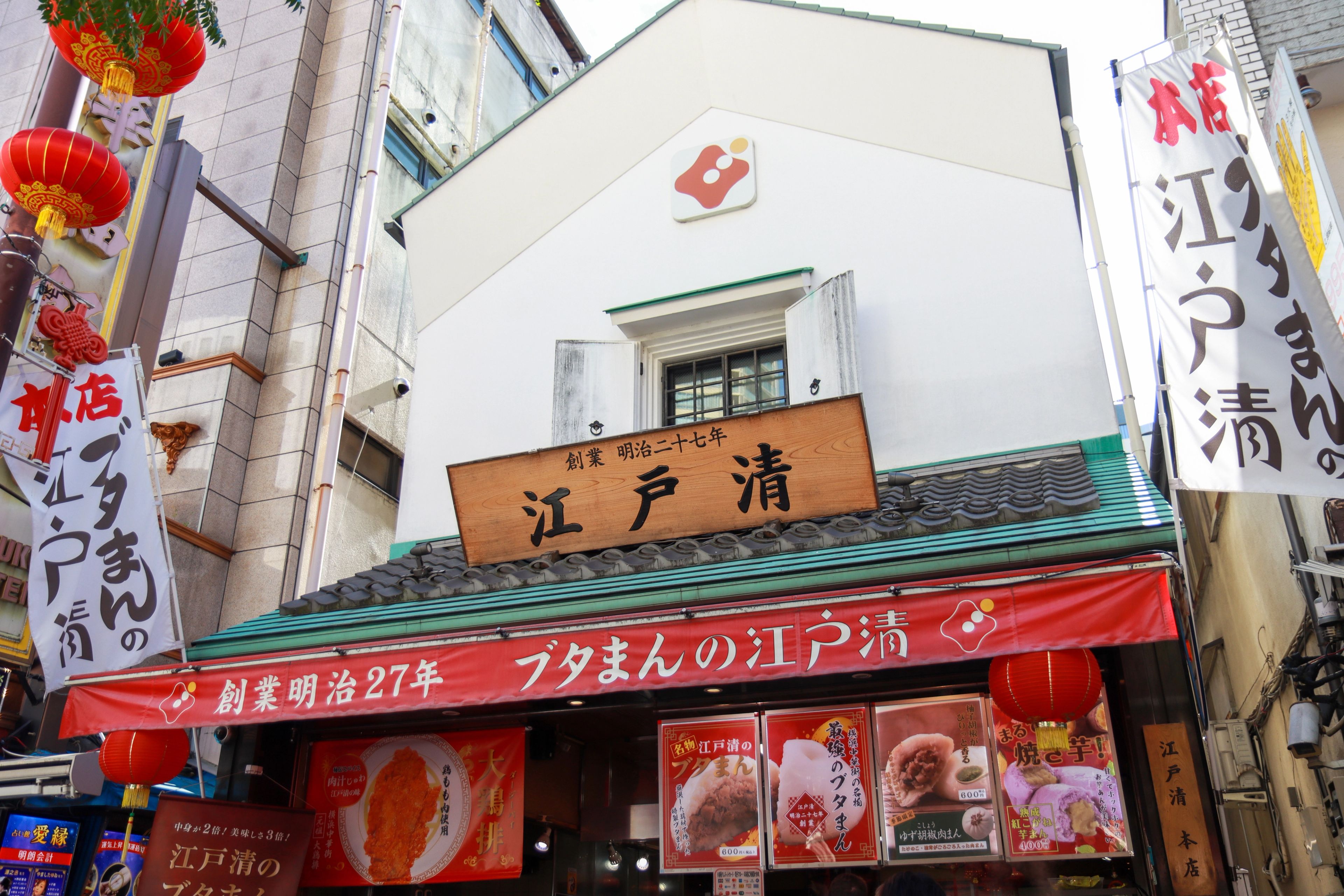
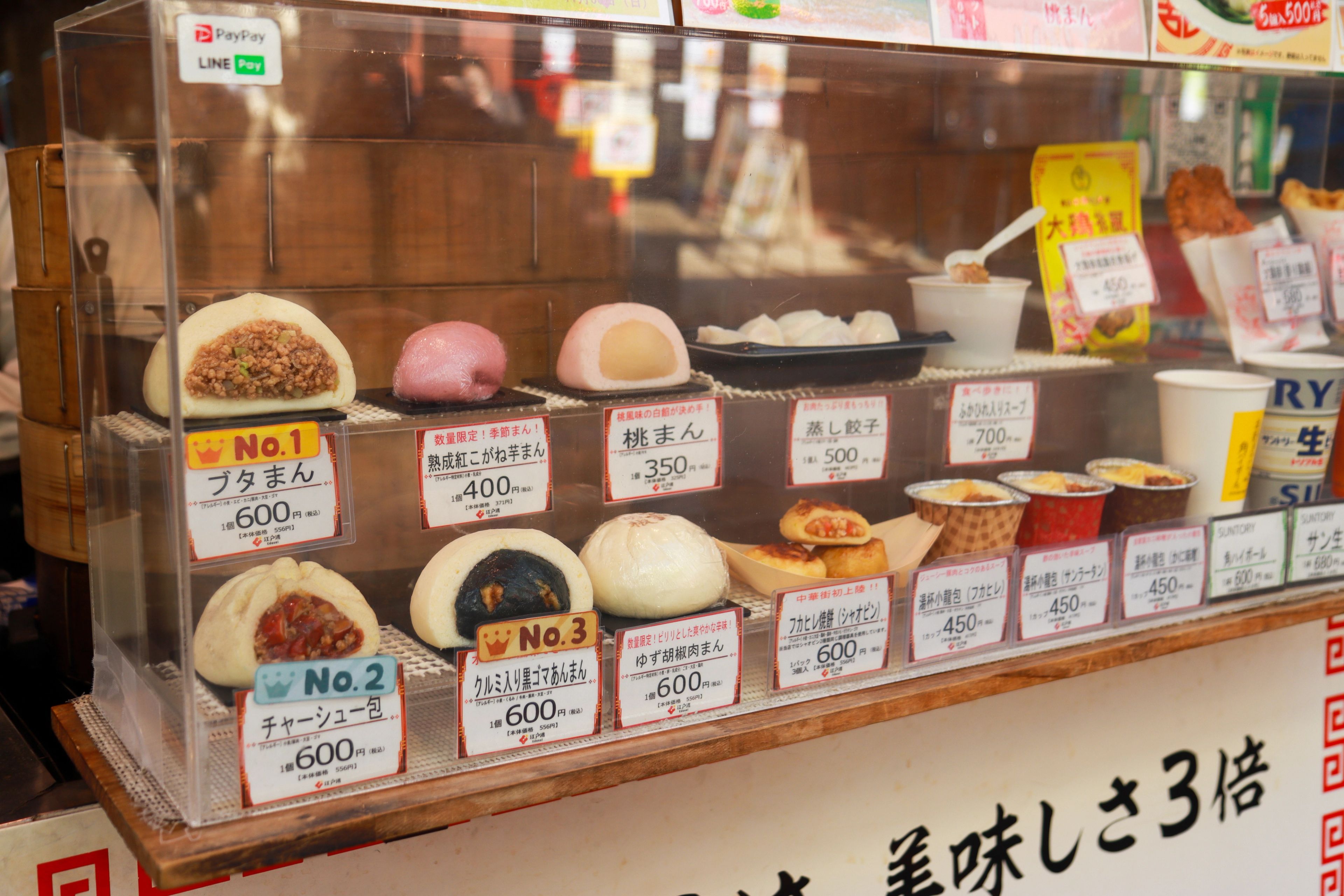
As the largest Chinatown in Japan, Yokohama Chinatown has over 600 stores and is popular with locals and tourists. But if I had to recommend one shop, it has to be Edosei ブタまんの江戸清 大通り店. It is a store founded in Meiji 27 (1894) as a butcher’s store, but later became the first store to serve meat buns to-go in 1989. It transformed Chinatown into a street food heaven as many stores soon followed. Their meat buns are juicy and served fresh hot out of the steamer.
Arai Ya Mankokubashi store
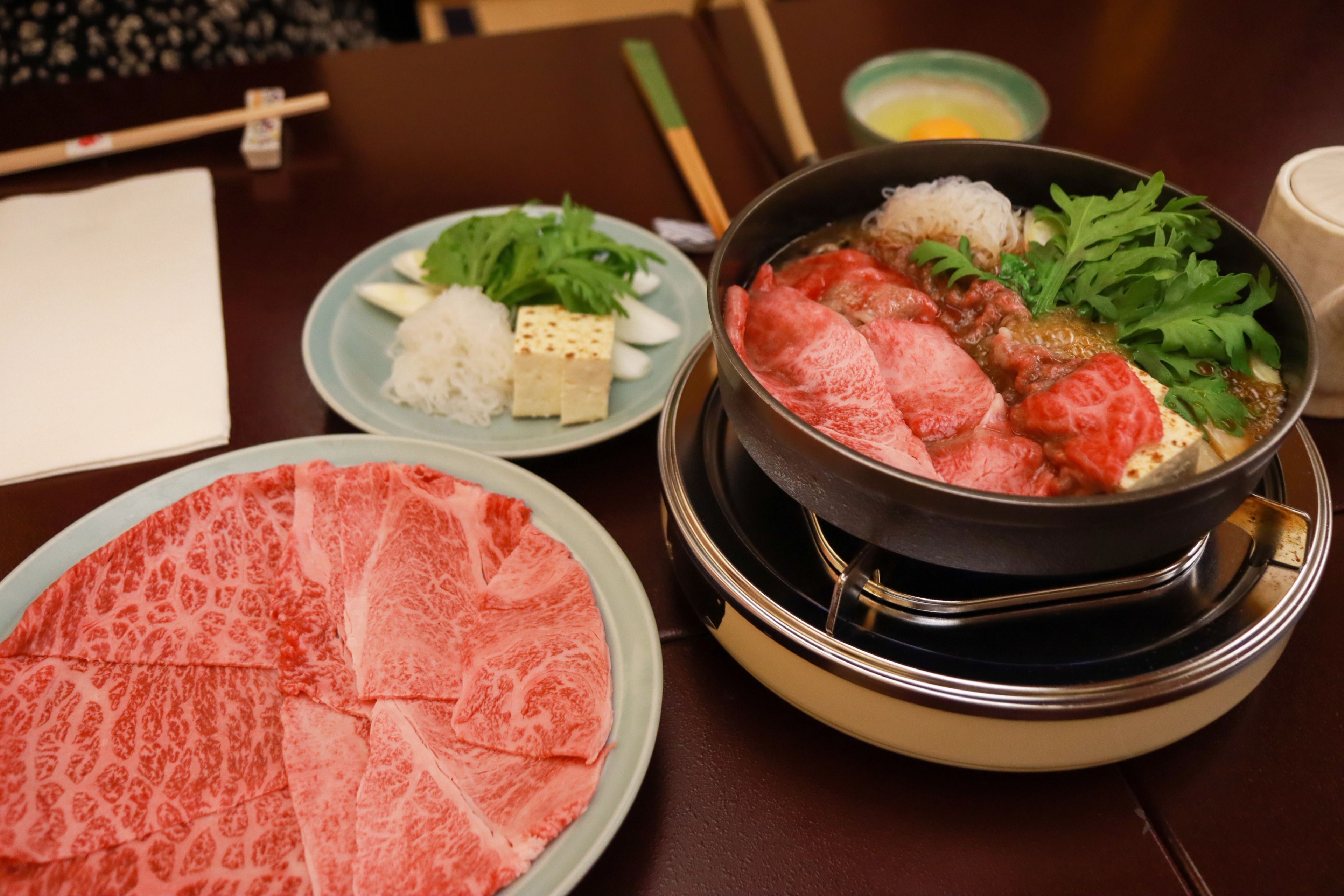
Founded in Meiji 28 (1895), this store is famous for serving Yokohama’s famous Gyunabe (beef hot pot), aka Kanto style suki yaki. You can taste delicious high-quality beef here for a hearty lunch while in Yokohama area.
Nature
Uninhabited island and monkey island "Exploration" tour
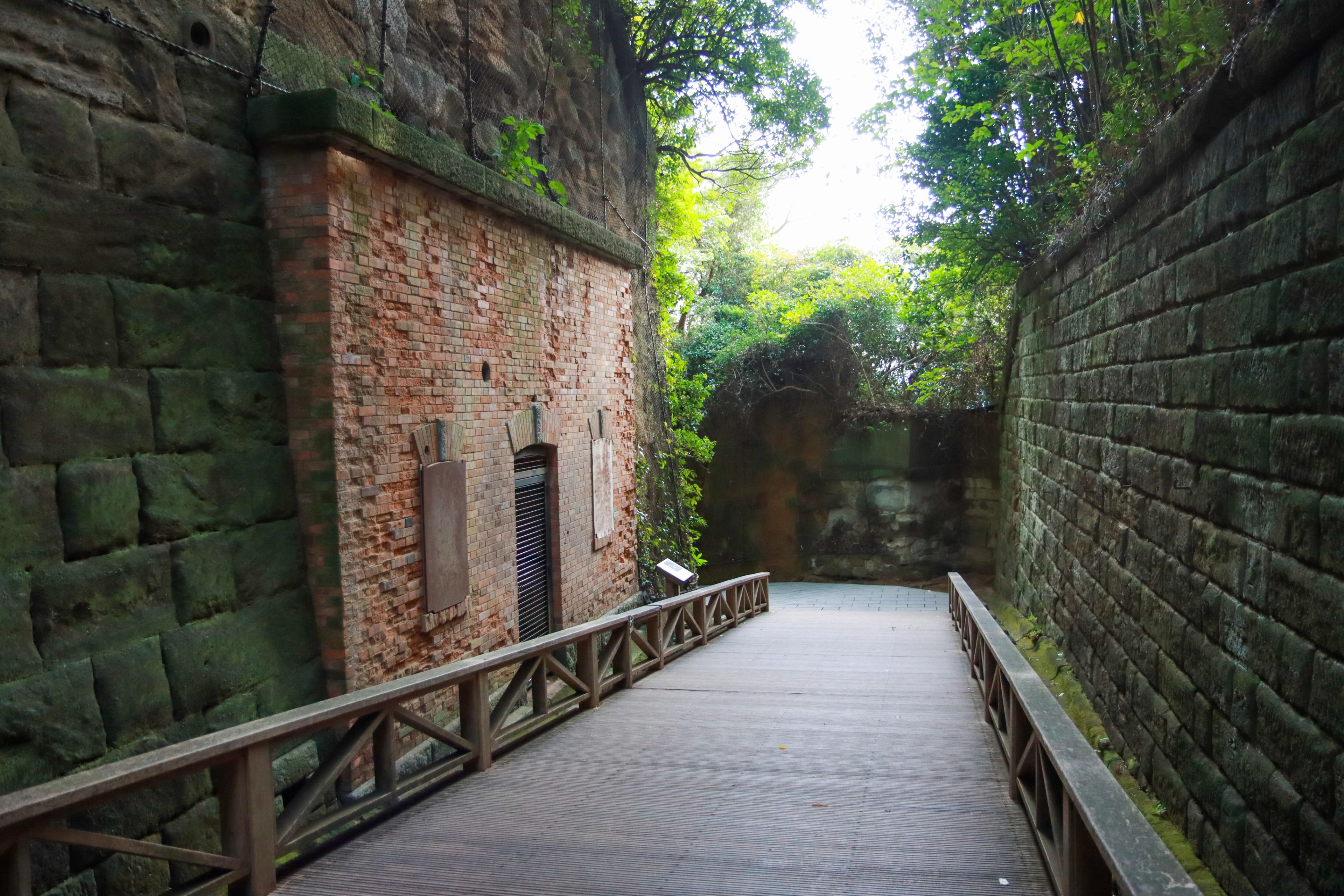
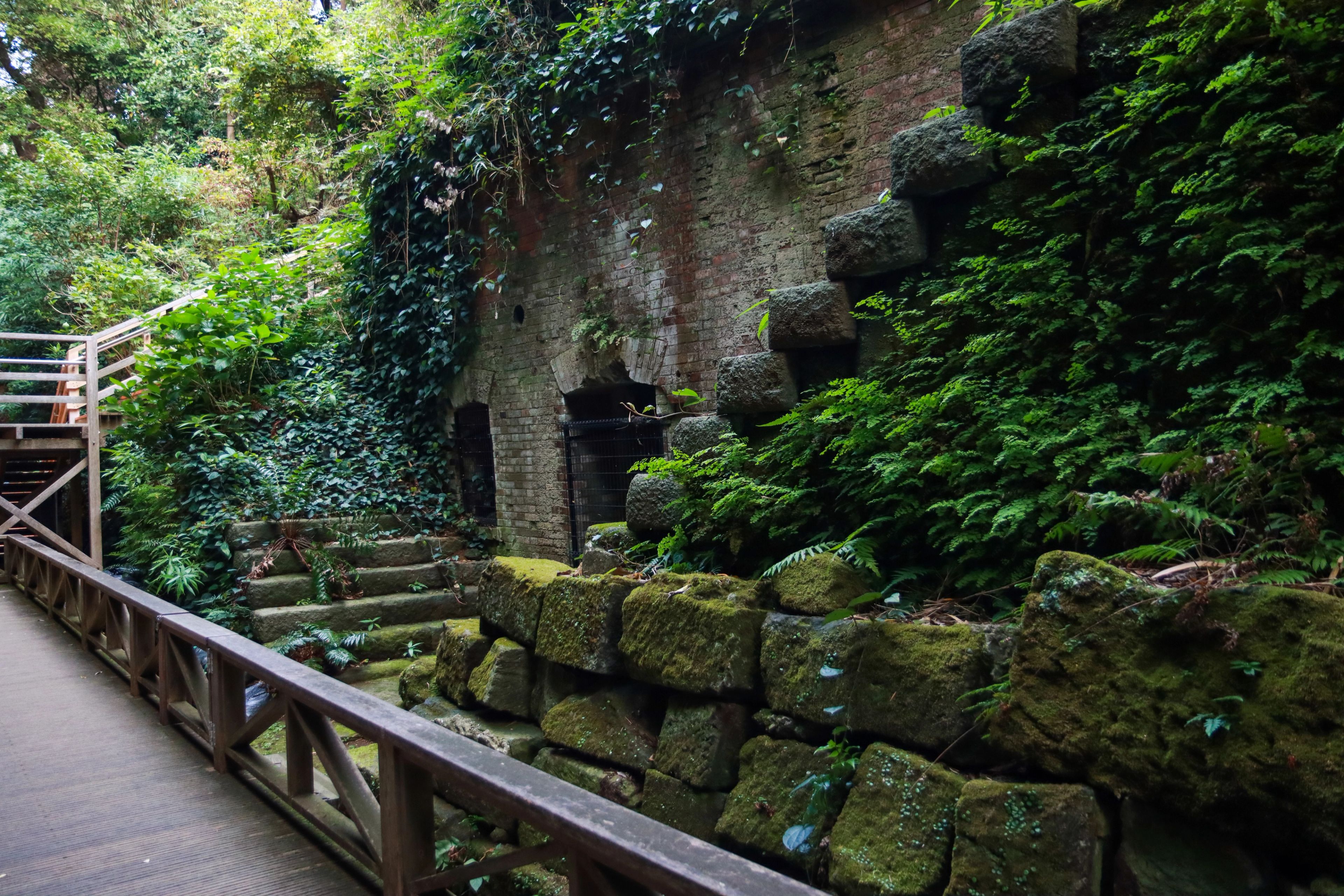
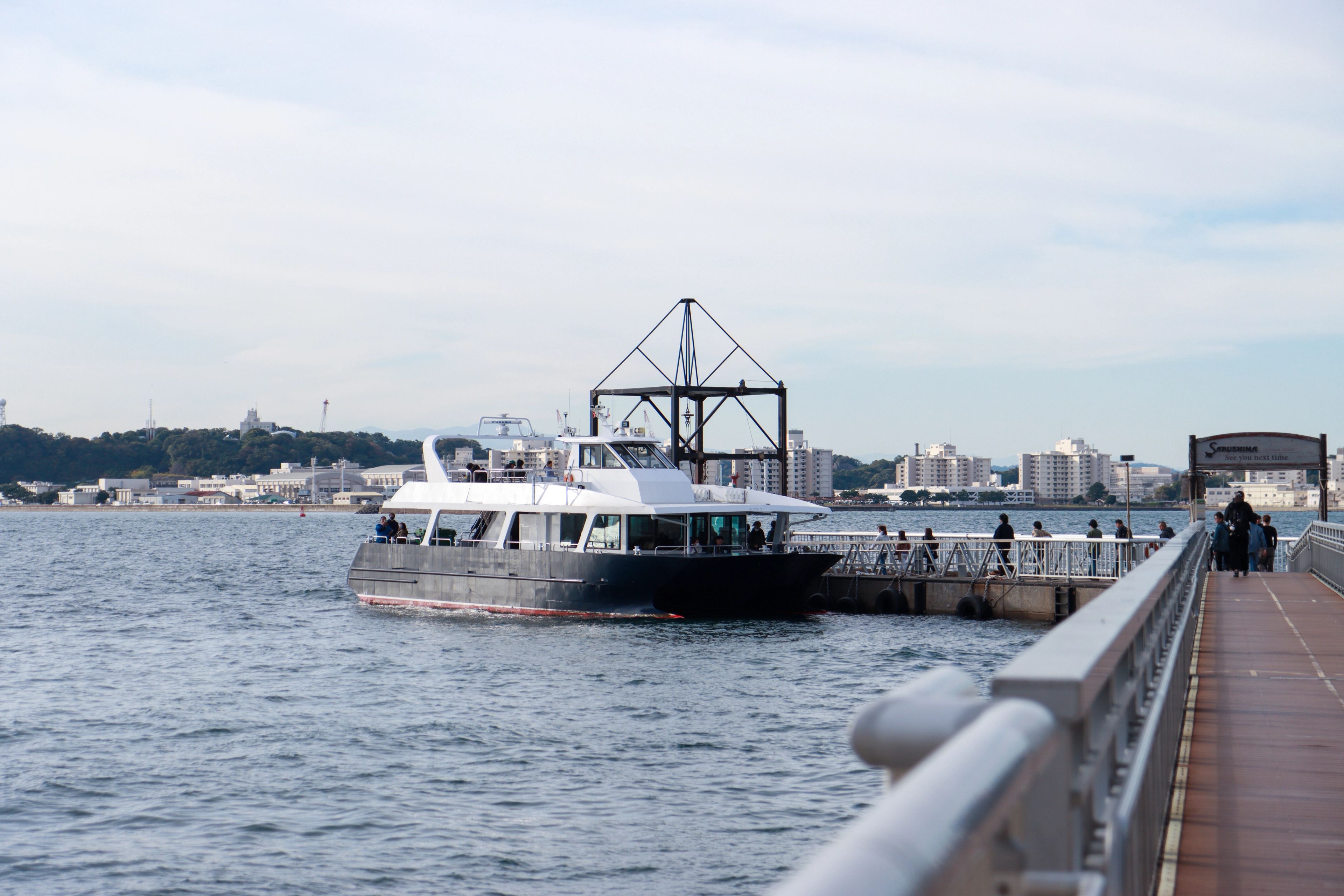
Sarushima (猿島) is Tokyo Bay’s only uninhabited island. It’s a tiny, lush escape just 10 minutes by ferry from Yokosuka. Once a military outpost, the island is now known for its moss-covered brick tunnels, coastal walking trails, and surprisingly clear beaches. Visitors can explore old fort ruins, see Mount Fuji in the distance, and experience a rare mix of nature and history in one compact destination. Ferries depart from Mikasa Park in Yokosuka, making it an easy half-day adventure for anyone looking to step into a quieter, more atmospheric side of Kanagawa.
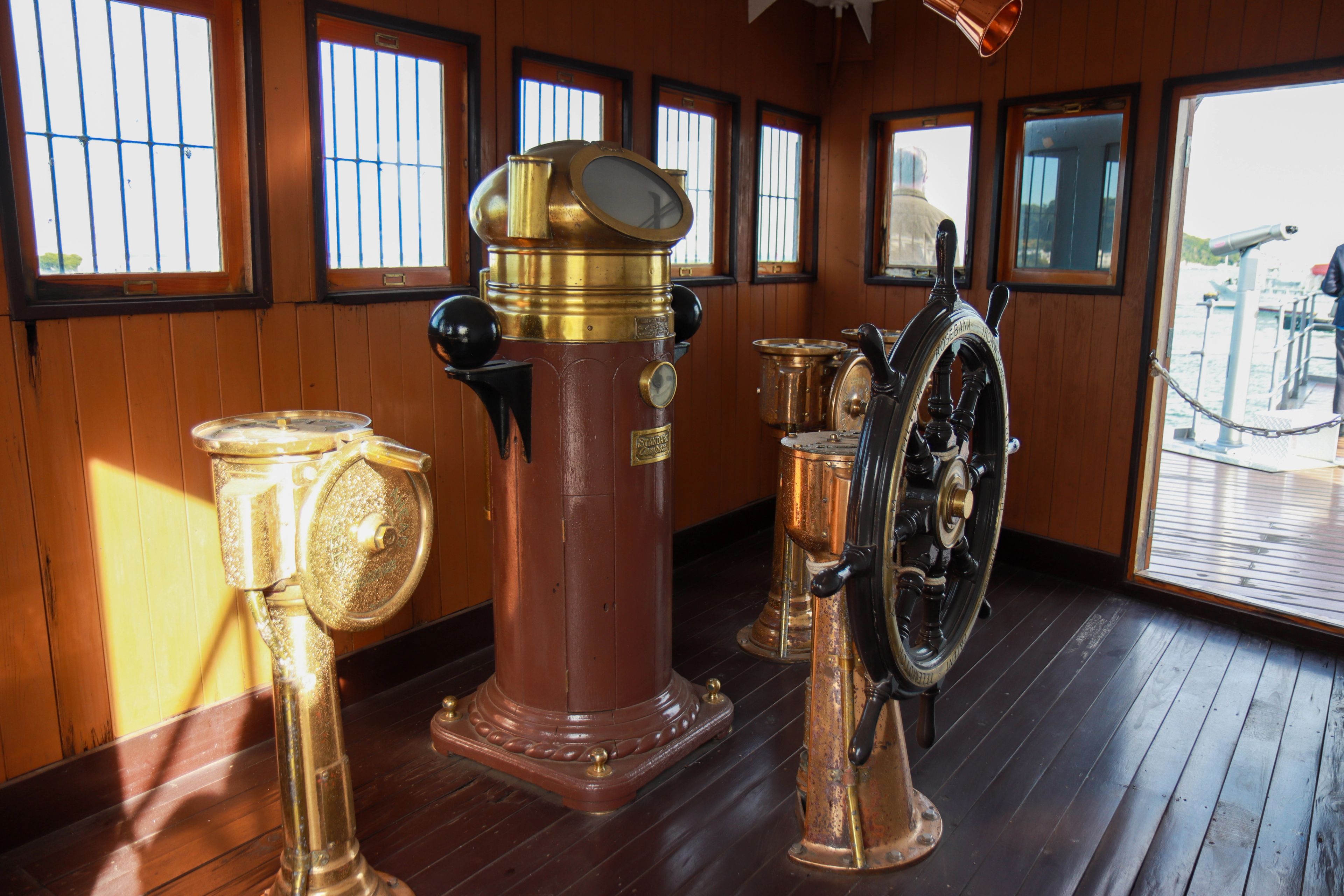
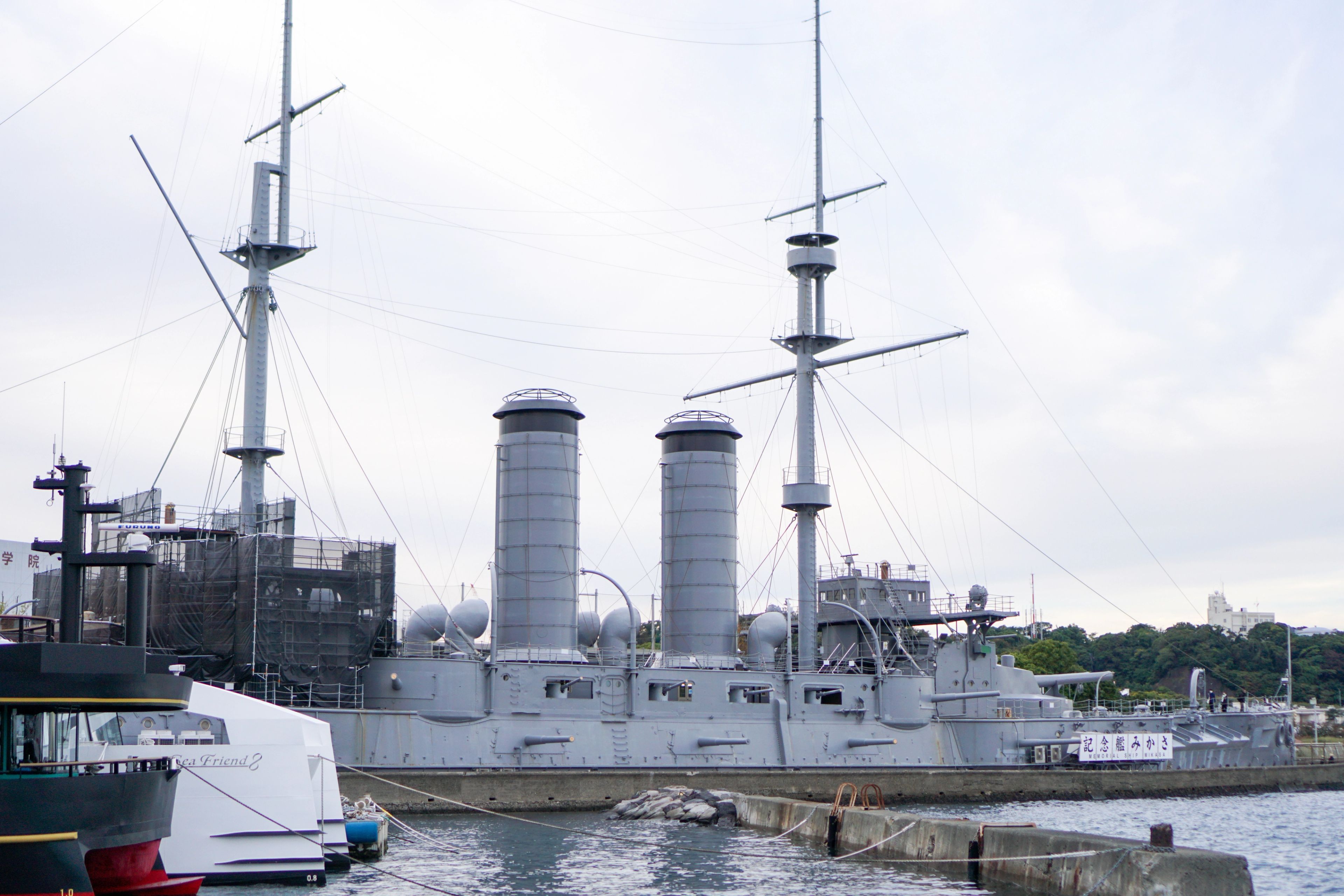
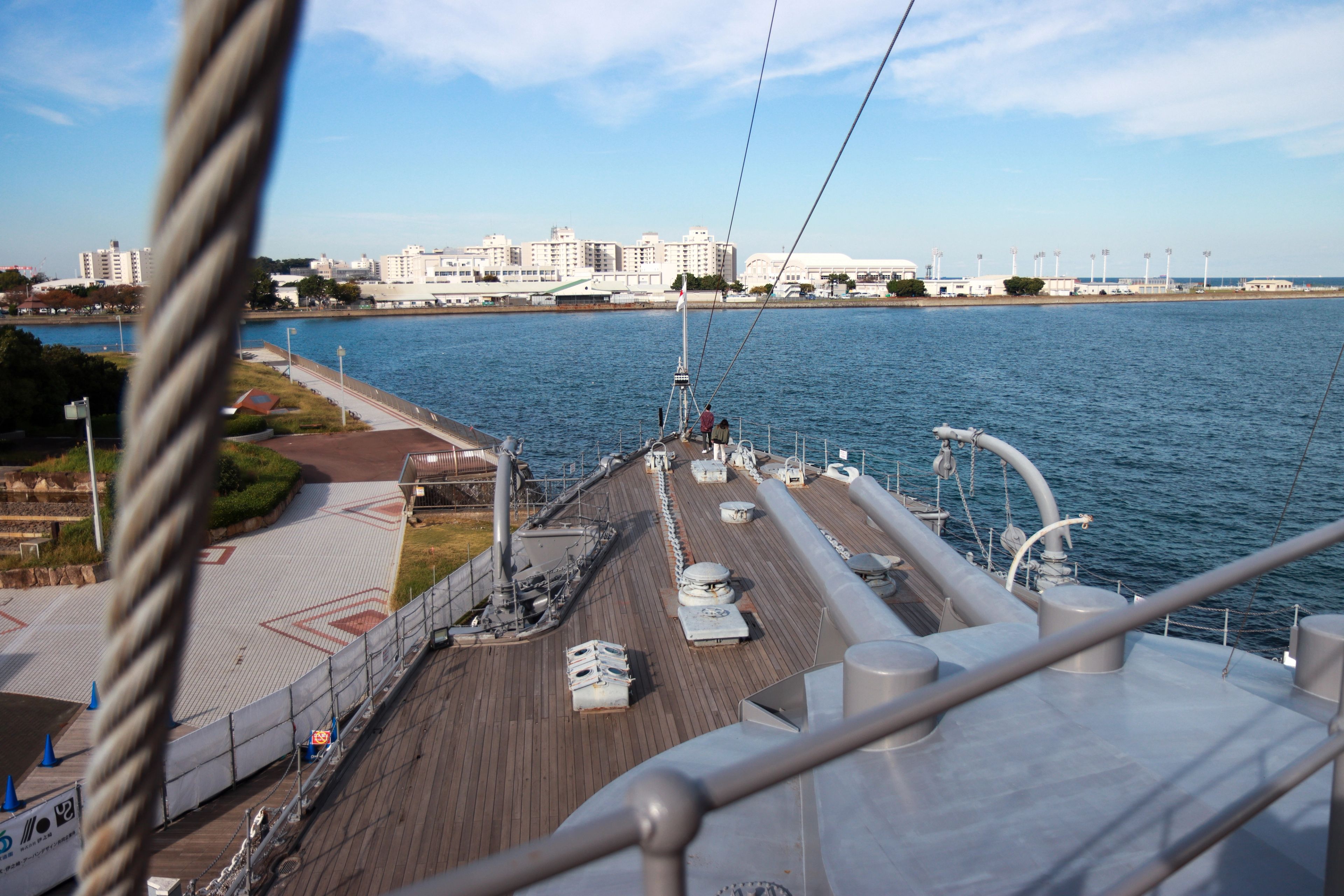
Misaka Park also has the Mikasa Memorial Warship, commissioned in 1902. I highly recommend going onto it, which is now a museum that documents what life was like aboard it.
Nusuttogari (Thief hunting) cliff 盗人狩
Nusuttogari Cliff (盗人狩) is one of Kanagawa’s most striking coastal formations. It’s a dramatic wall of volcanic rock sculpted by the waves, with views that open straight out to the Niijima and Shikinejima islands on clear days. Its name, meaning “Thief Hunting,” comes from a local legend that a bandit was cornered here with nowhere left to run. Today, visitors come for the rugged seaside scenery, quiet walking paths, and the feeling of standing on the edge of ancient history.
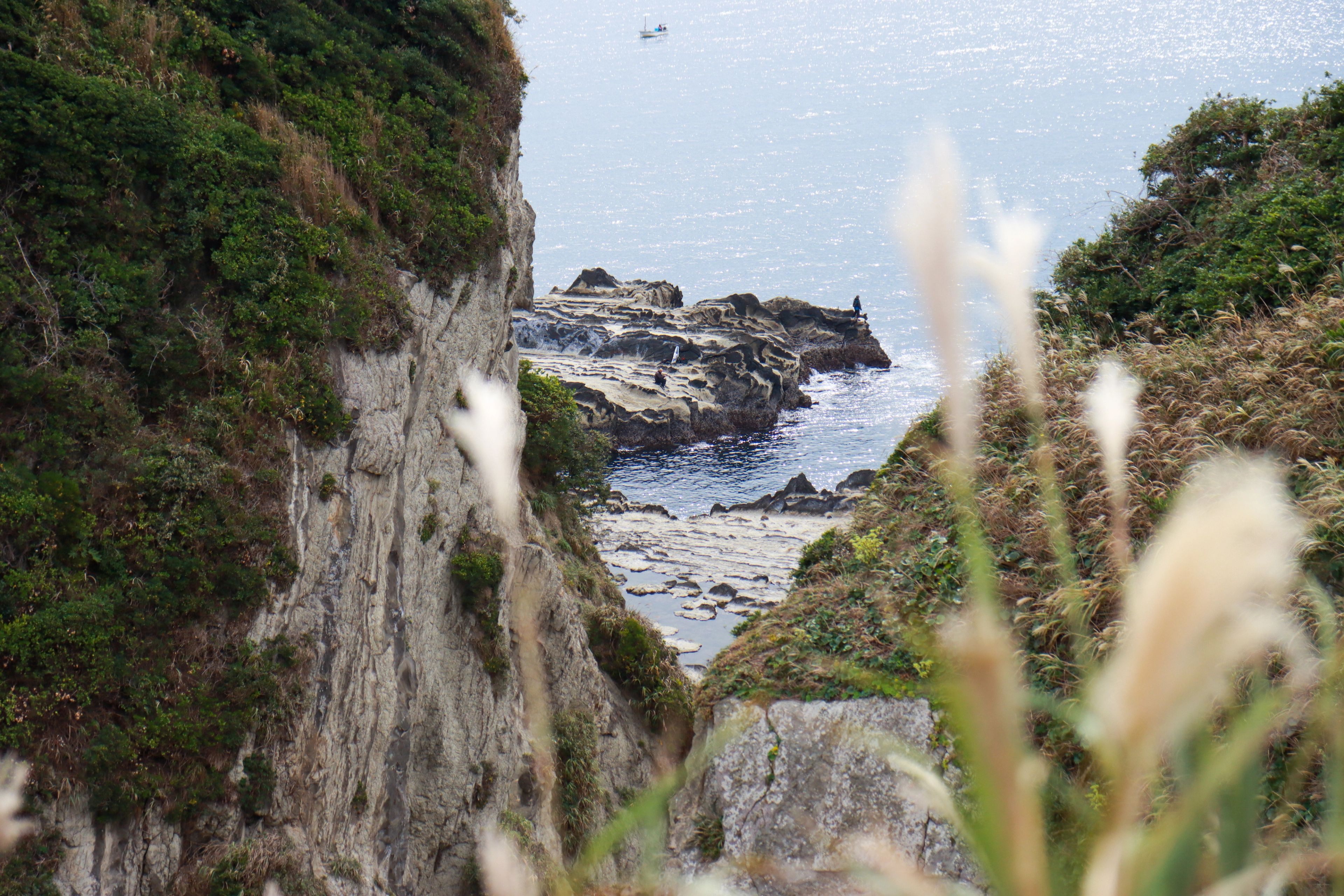
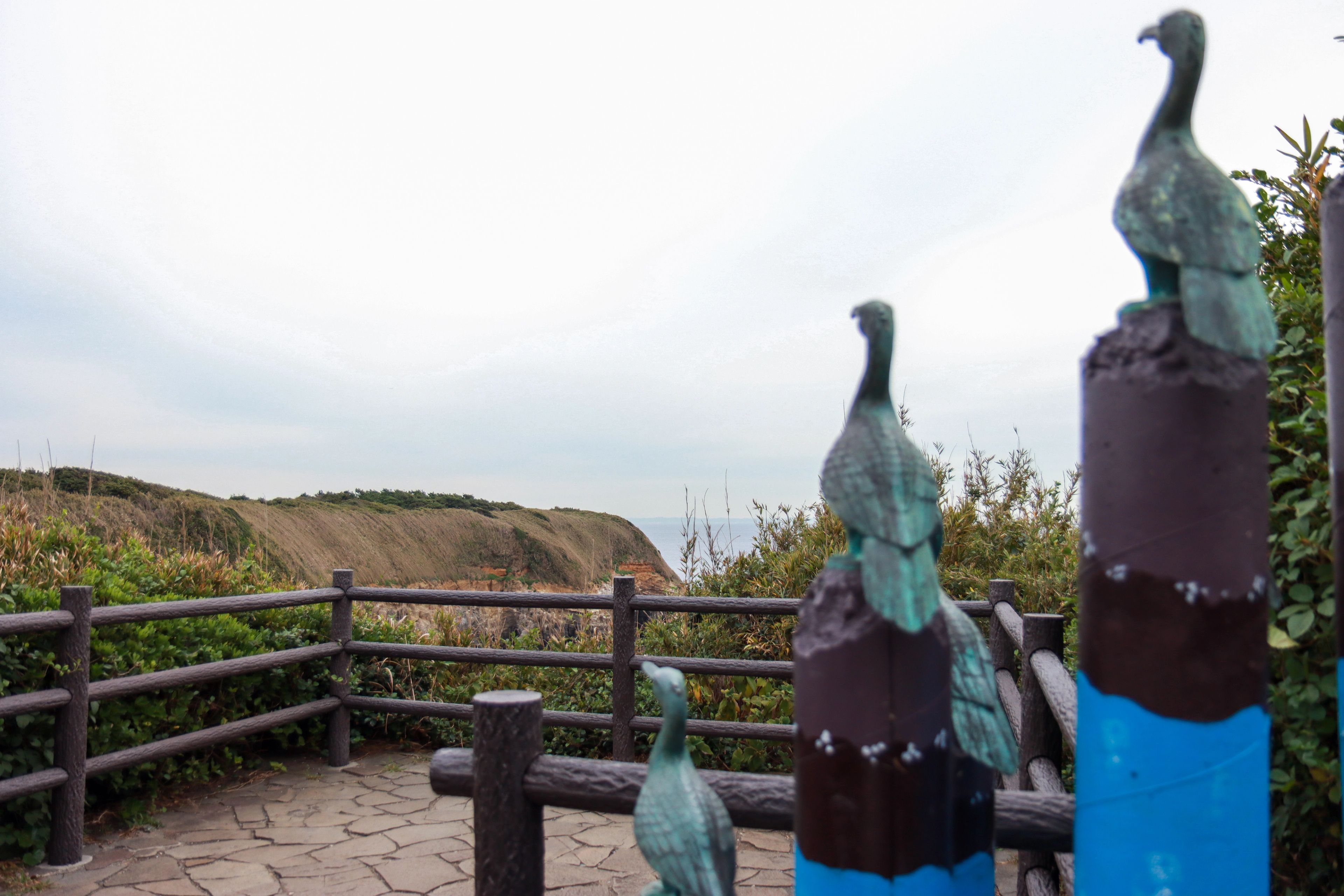
Jogashima Park (城ヶ島公園)
The park sits at the southern tip of Miura Peninsula and offers some of Kanagawa’s most rugged coastal scenery, with windswept cliffs, dramatic rock formations, and sweeping ocean views. The park is known for its easy walking trails, seasonal flowers, and the striking Umanose Domon sea arch nearby, making it a favorite for photographers and nature lovers. Visitors can stroll along the shoreline, watch seabirds, or explore the island’s lighthouse area for panoramic vistas.
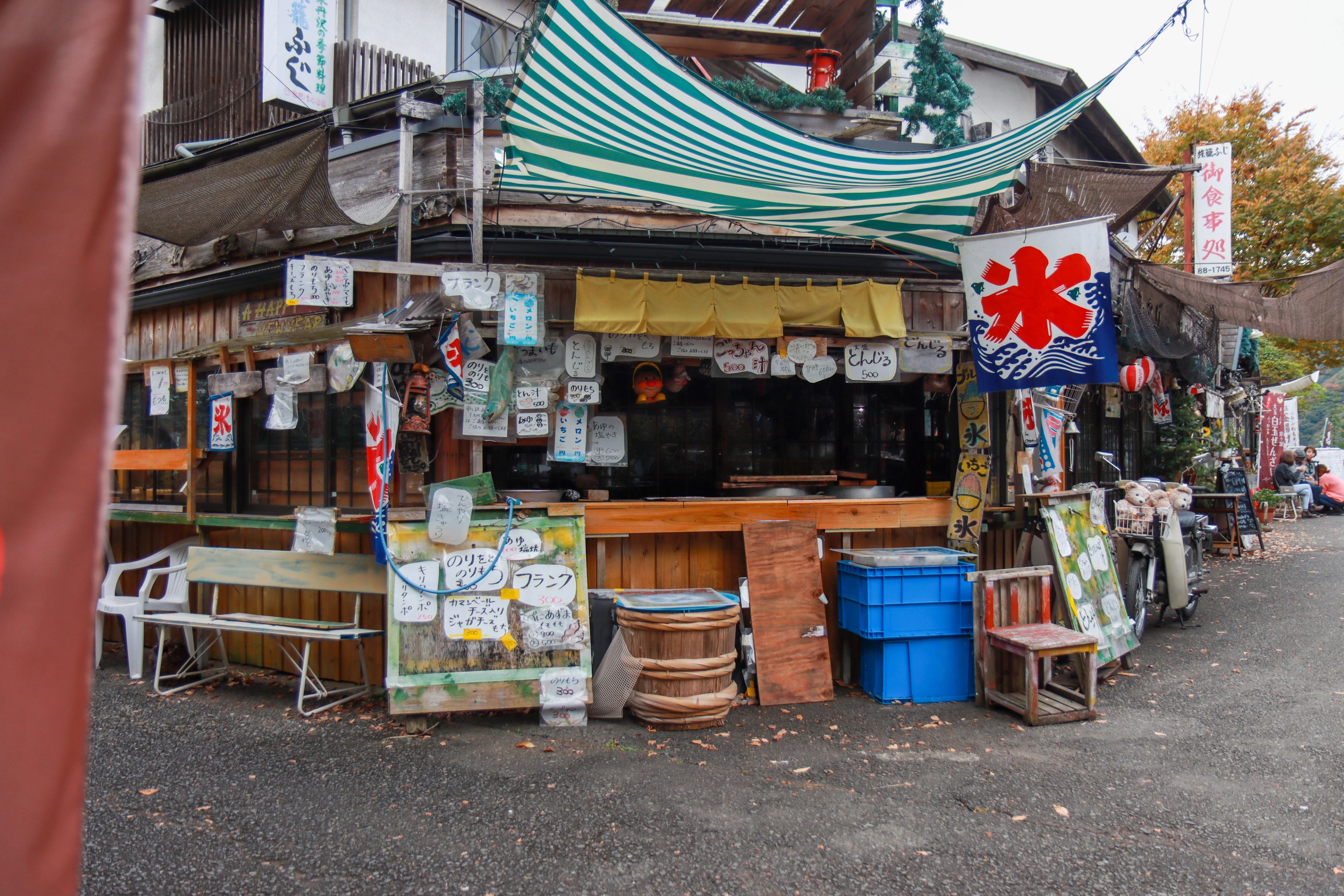
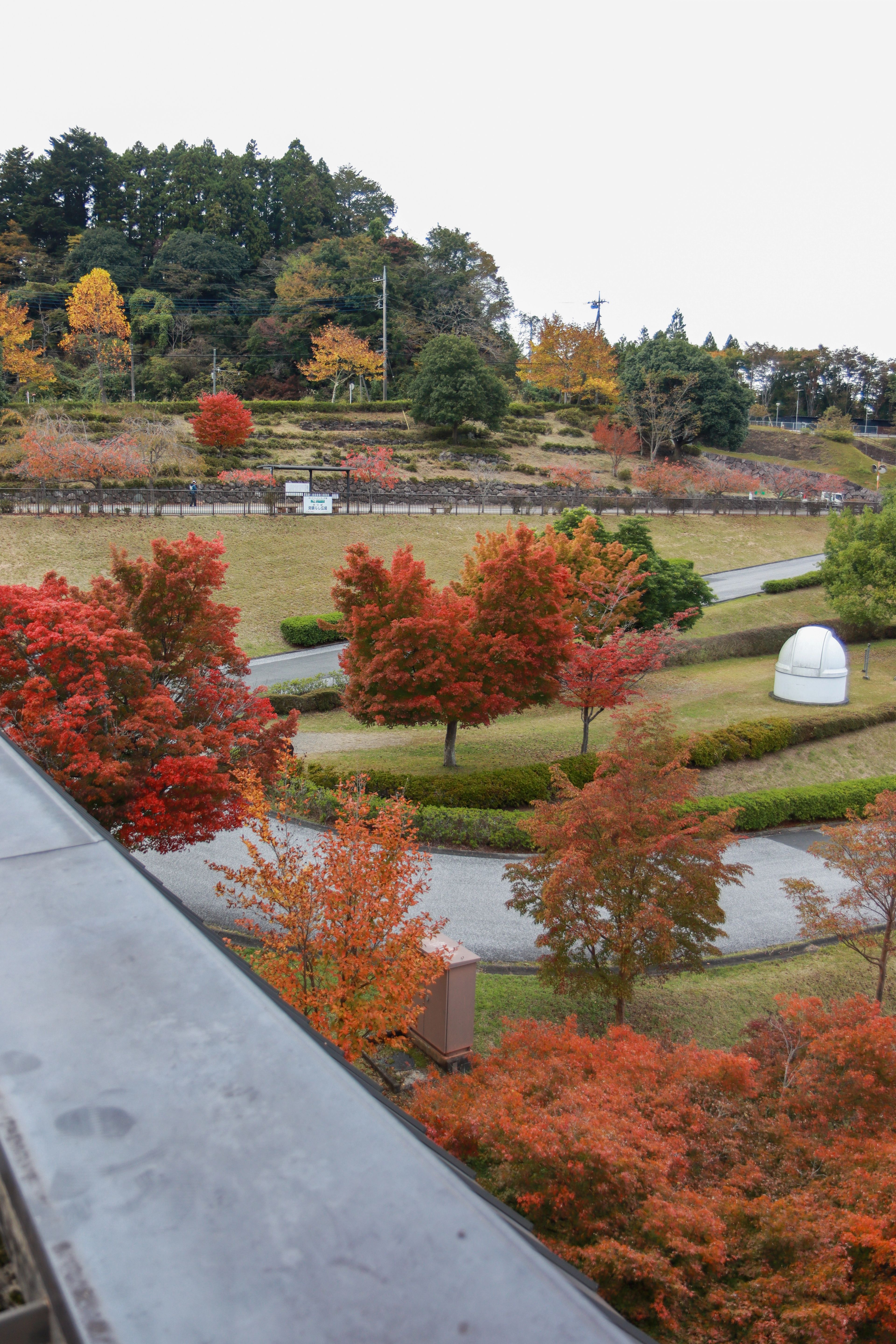
Miyagase Dam (宮ヶ瀬ダム)
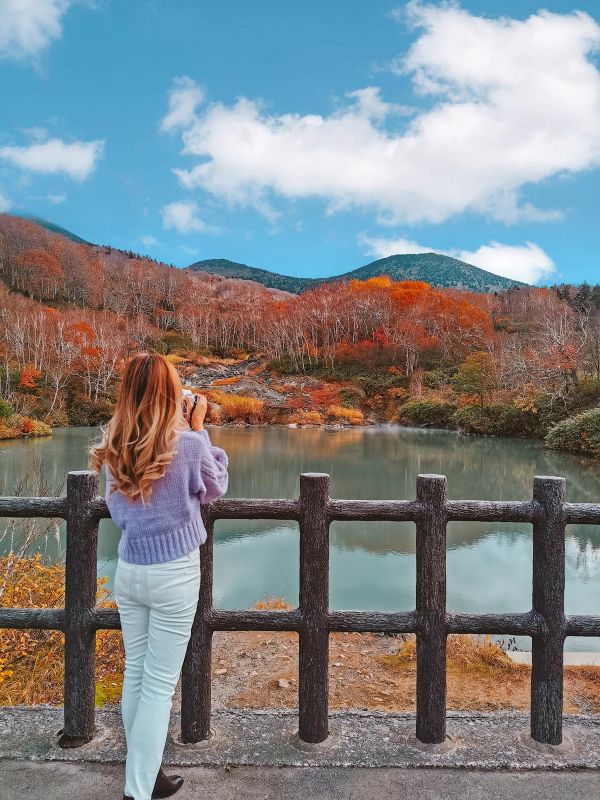
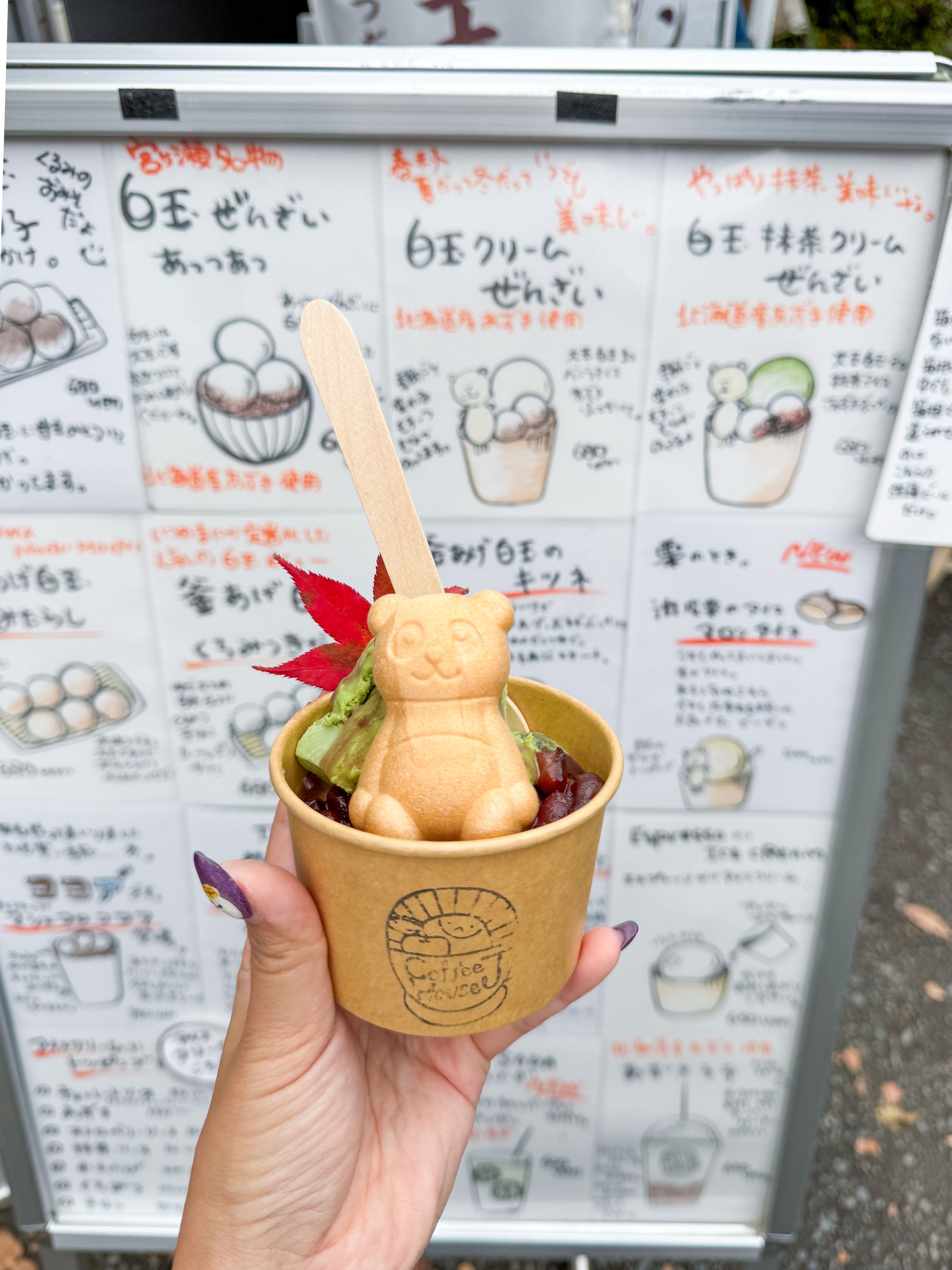
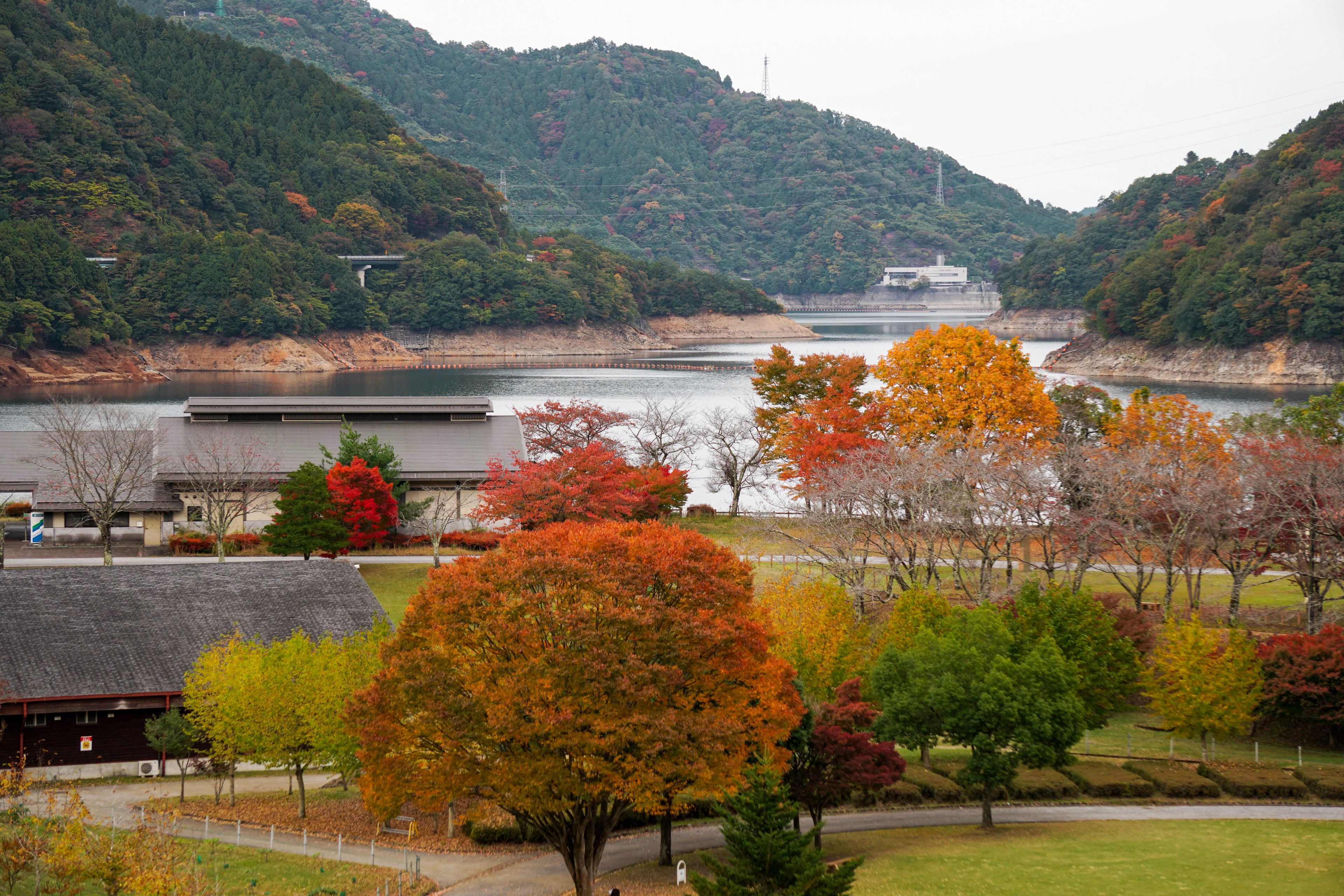
This is one of Kanagawa’s most scenic reservoirs, especially beautiful in autumn when the surrounding mountains turn vivid shades of red and gold. Visitors can walk across the massive dam, enjoy panoramic lake views, or take the leisure boats that cruise gently along the water. The area has a relaxed, family-friendly atmosphere, with a small lakeside store that serves adorable themed ice creams and simple desserts.
Where to stay
Mercure Yokosuka
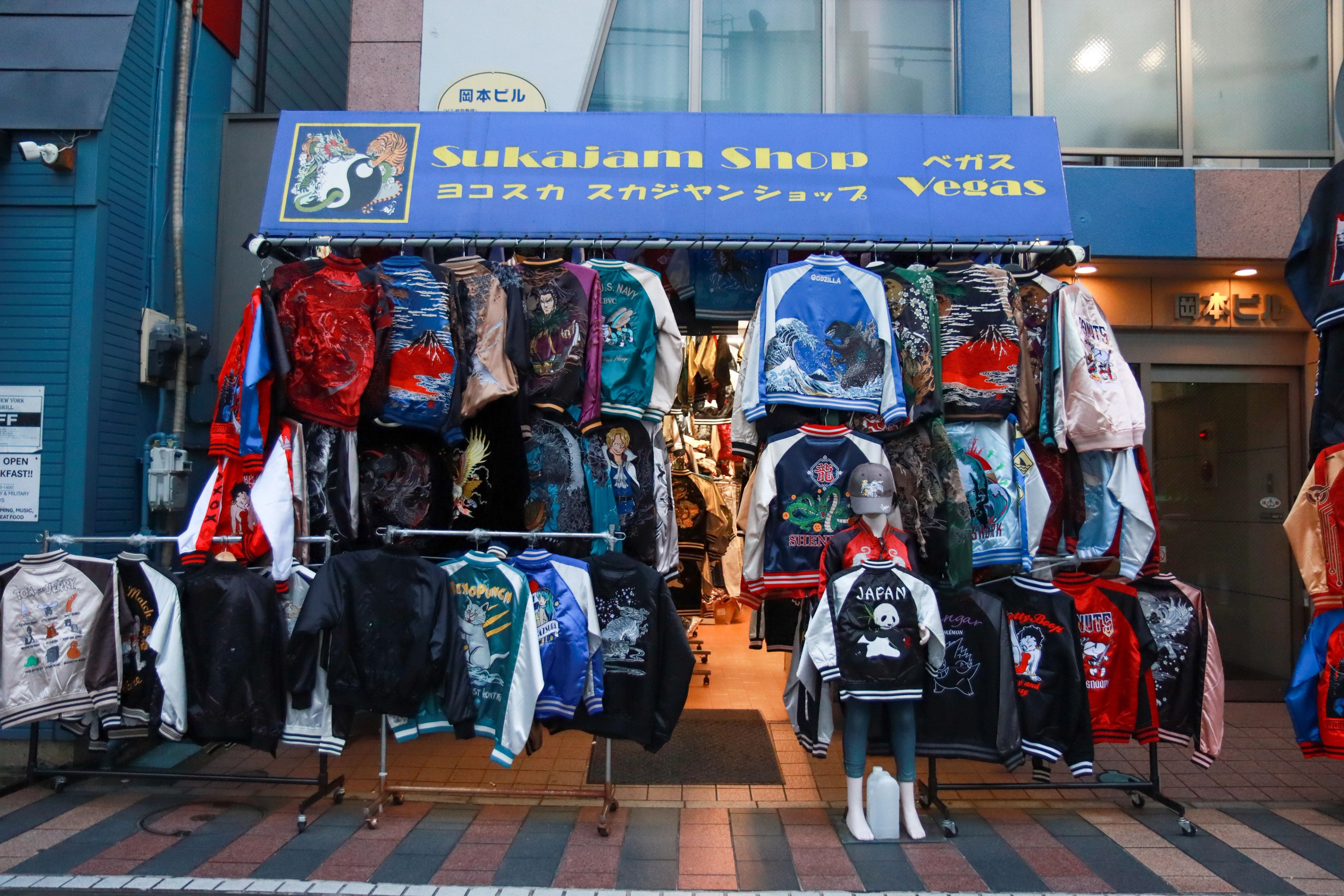
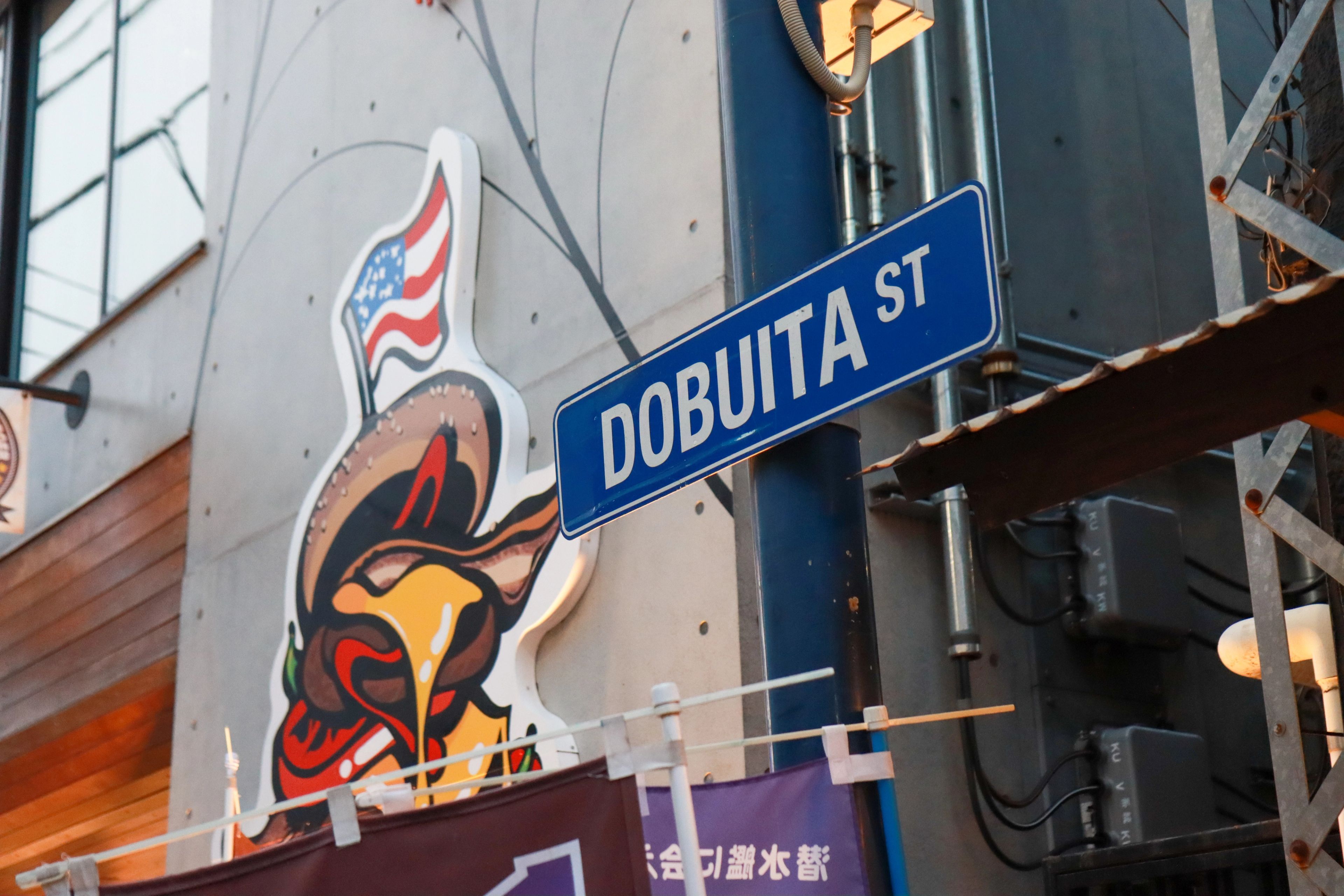
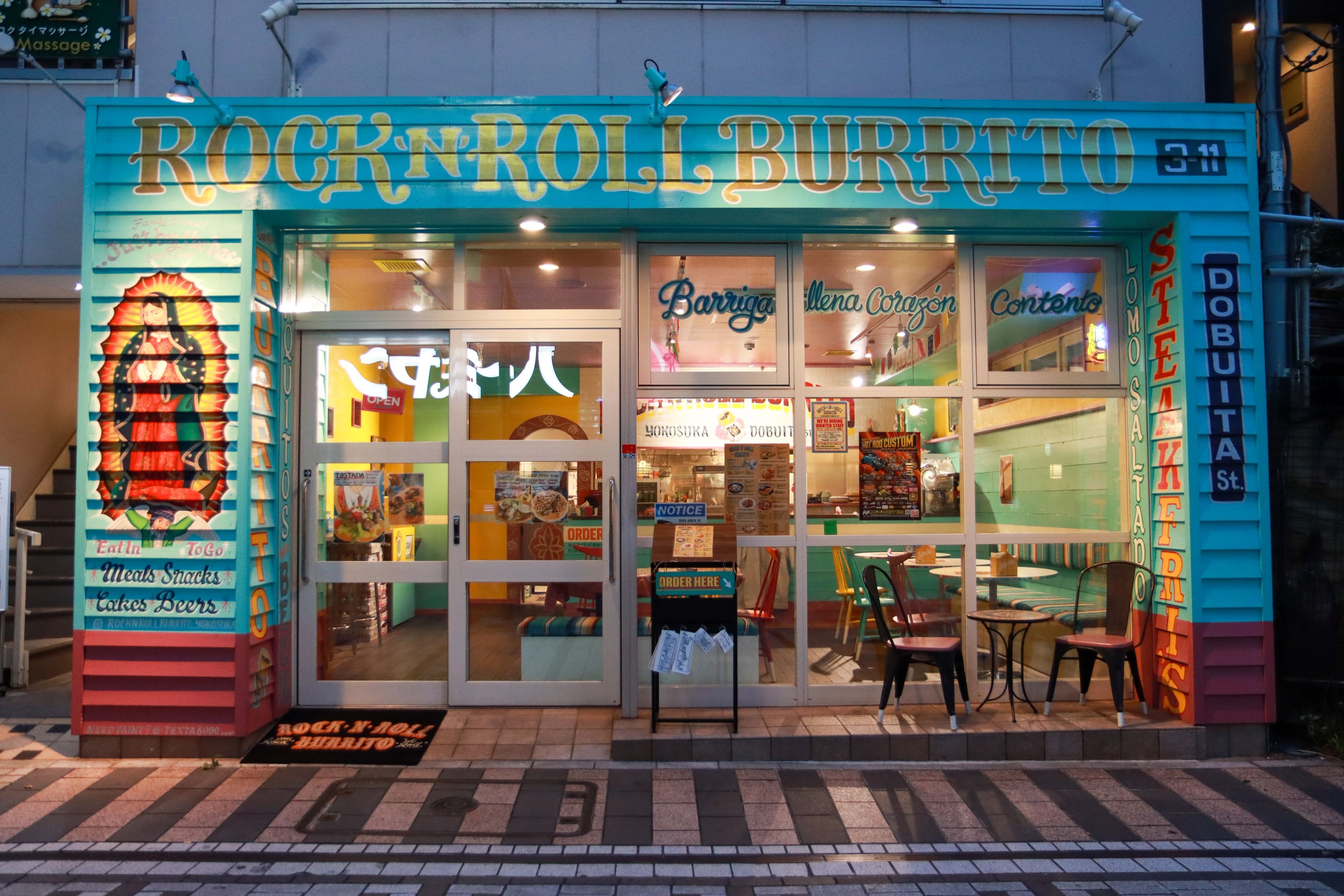
Mercure Yokosuka is a comfortable and conveniently located hotel just steps from Dobuita Street, the lively district known for its American-influenced bars, vintage shops, and local eateries shaped by Yokosuka’s naval history. The hotel offers spacious rooms with views over the bay and easy access to both downtown Yokosuka and nearby attractions like Mikasa Park and the Sarushima ferry terminal. Its location makes it an ideal base for exploring the city on foot, enjoying the mix of cultures, and experiencing the unique character that sets Yokosuka apart from other port towns along Tokyo Bay.
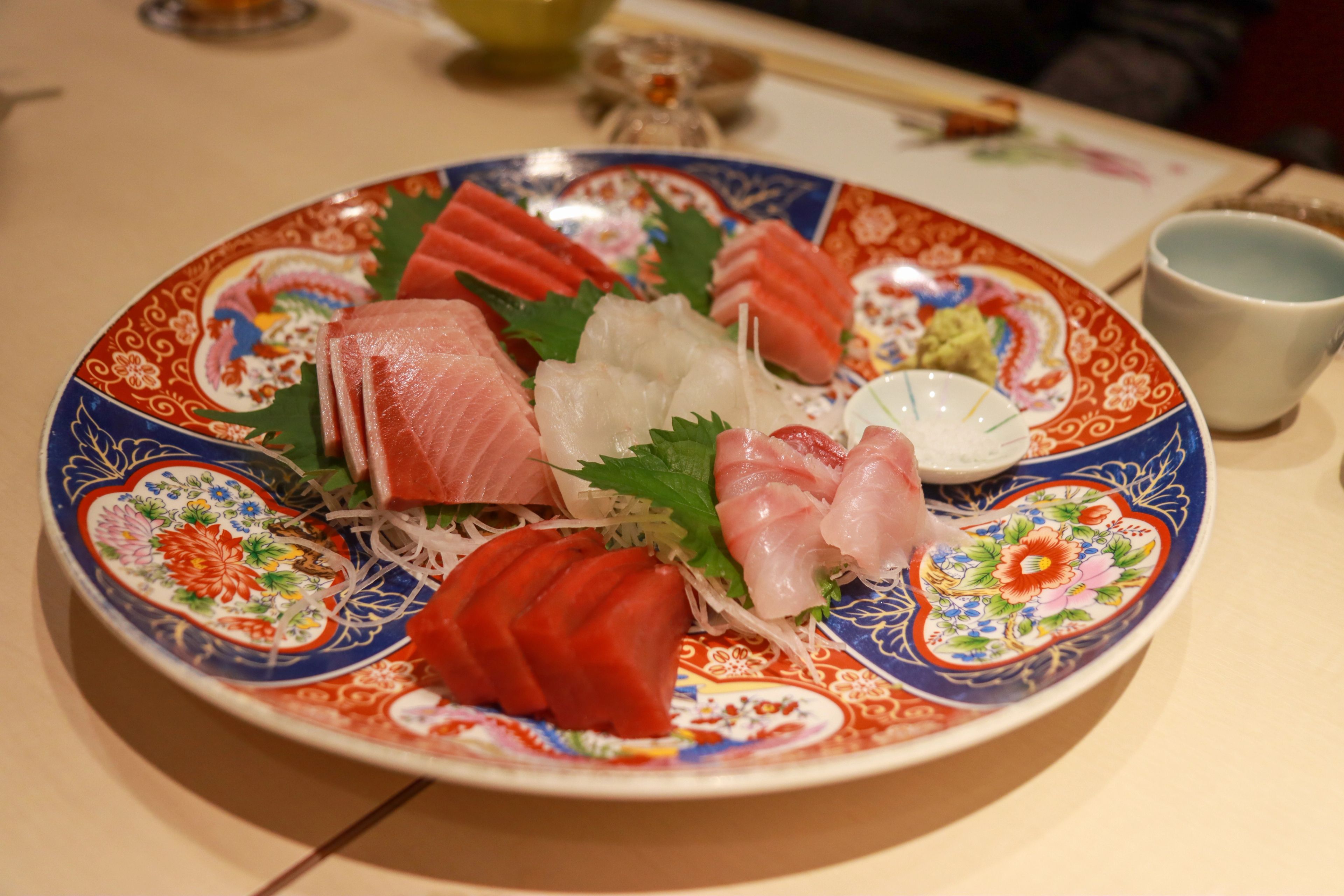
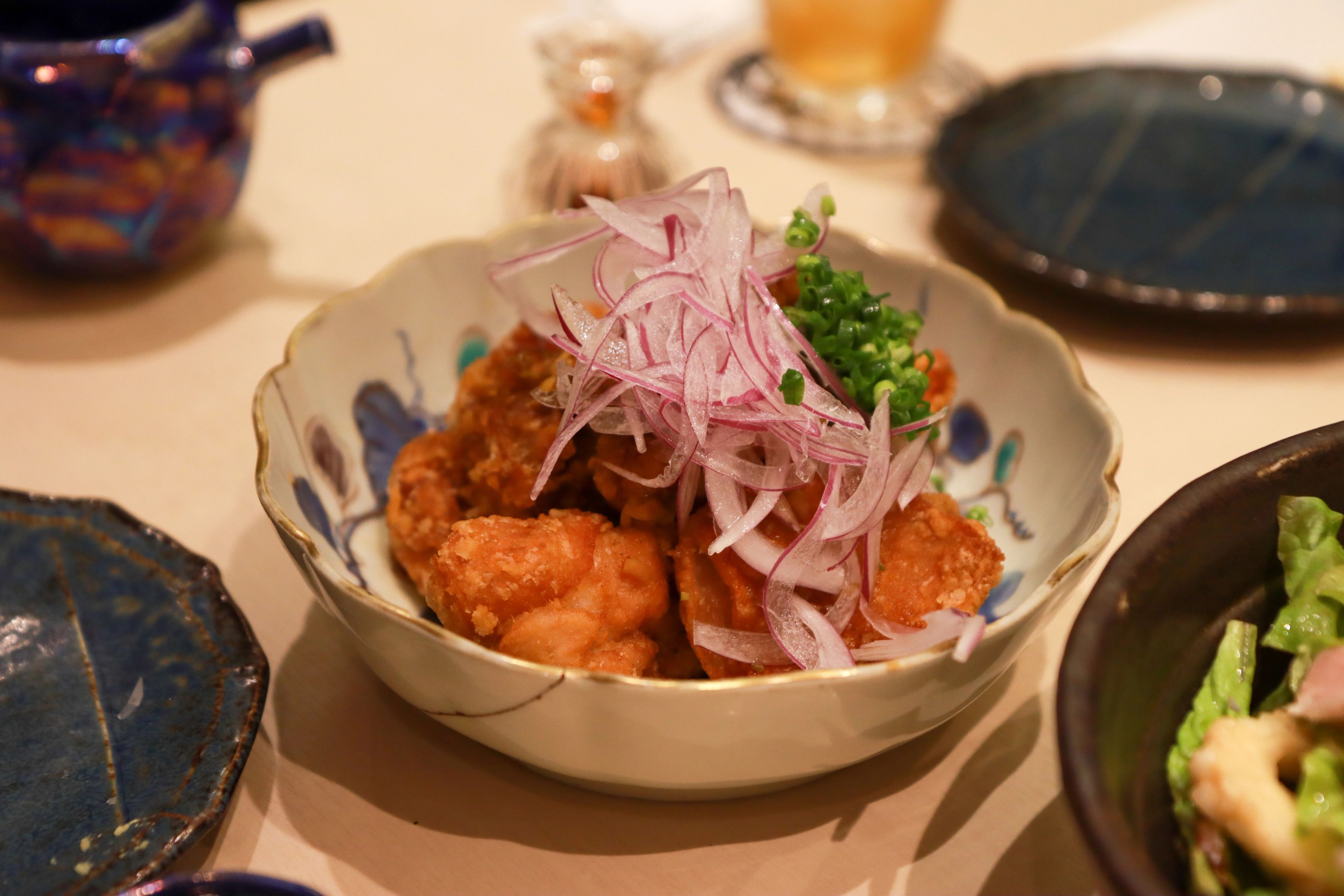
Recommended restaurant: Kuriya (Izakaya)
〒238-0041 Kanagawa, Yokosuka, Honcho, 3 Chome−13−1
Hotel Metropolitan Kamakura
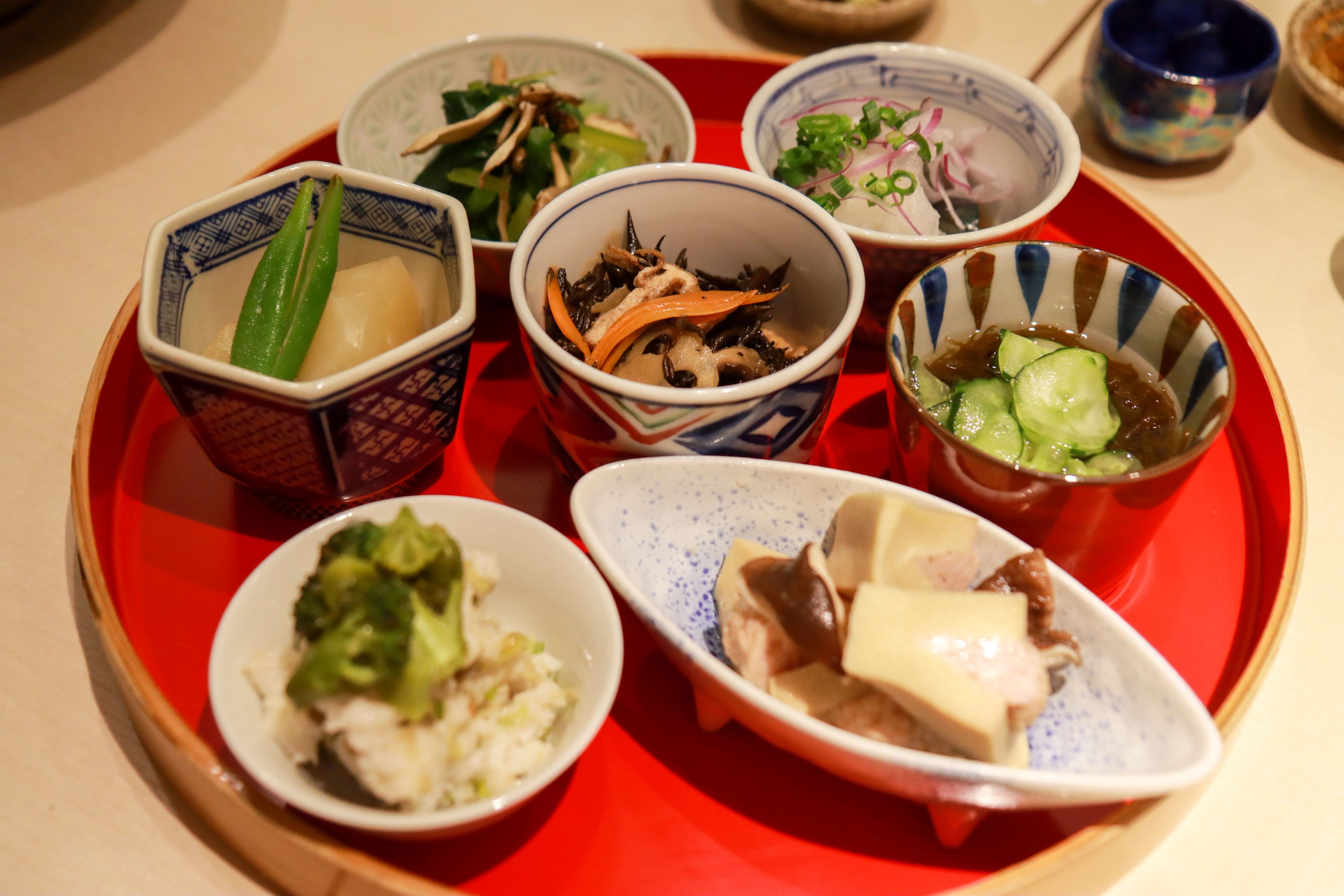
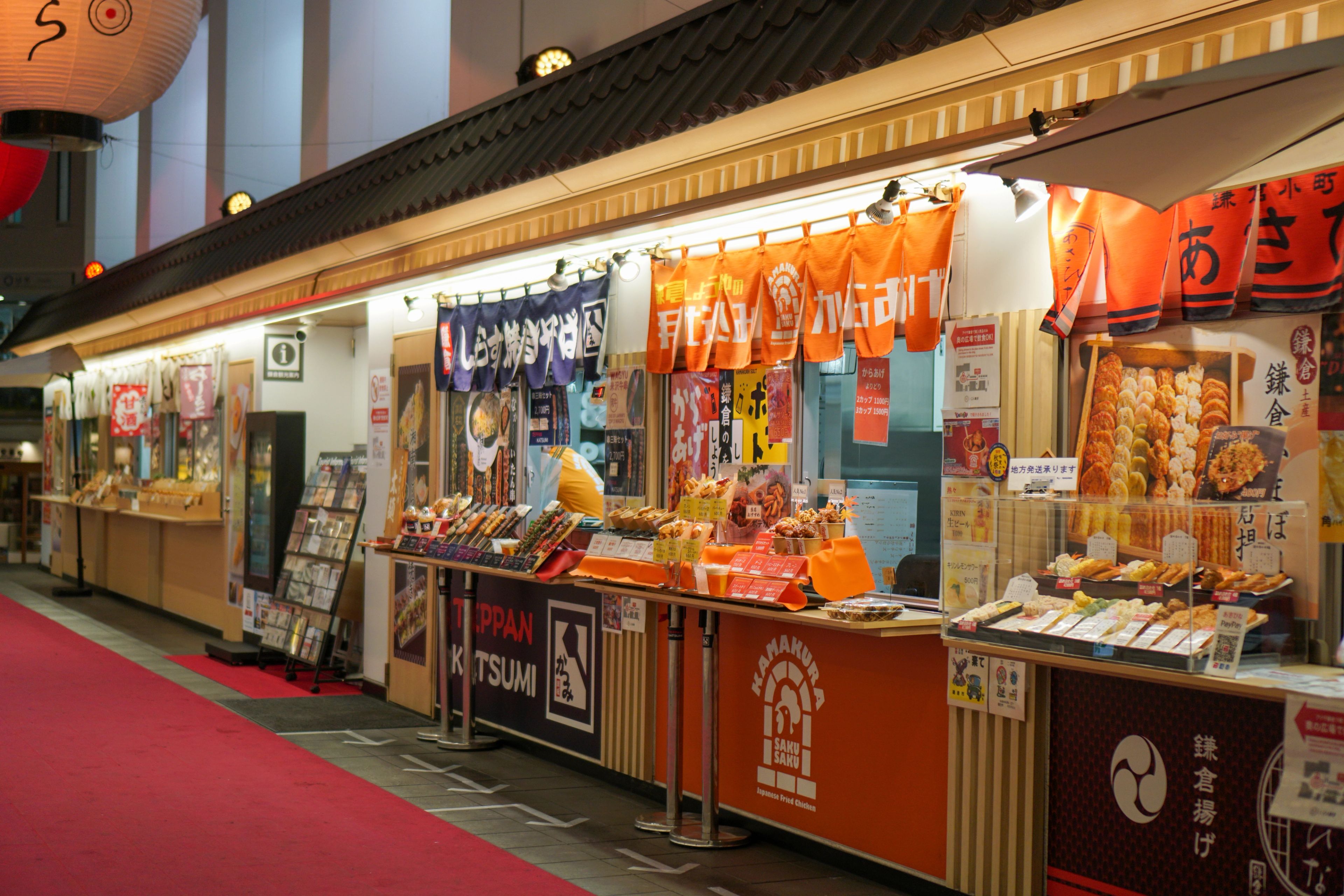
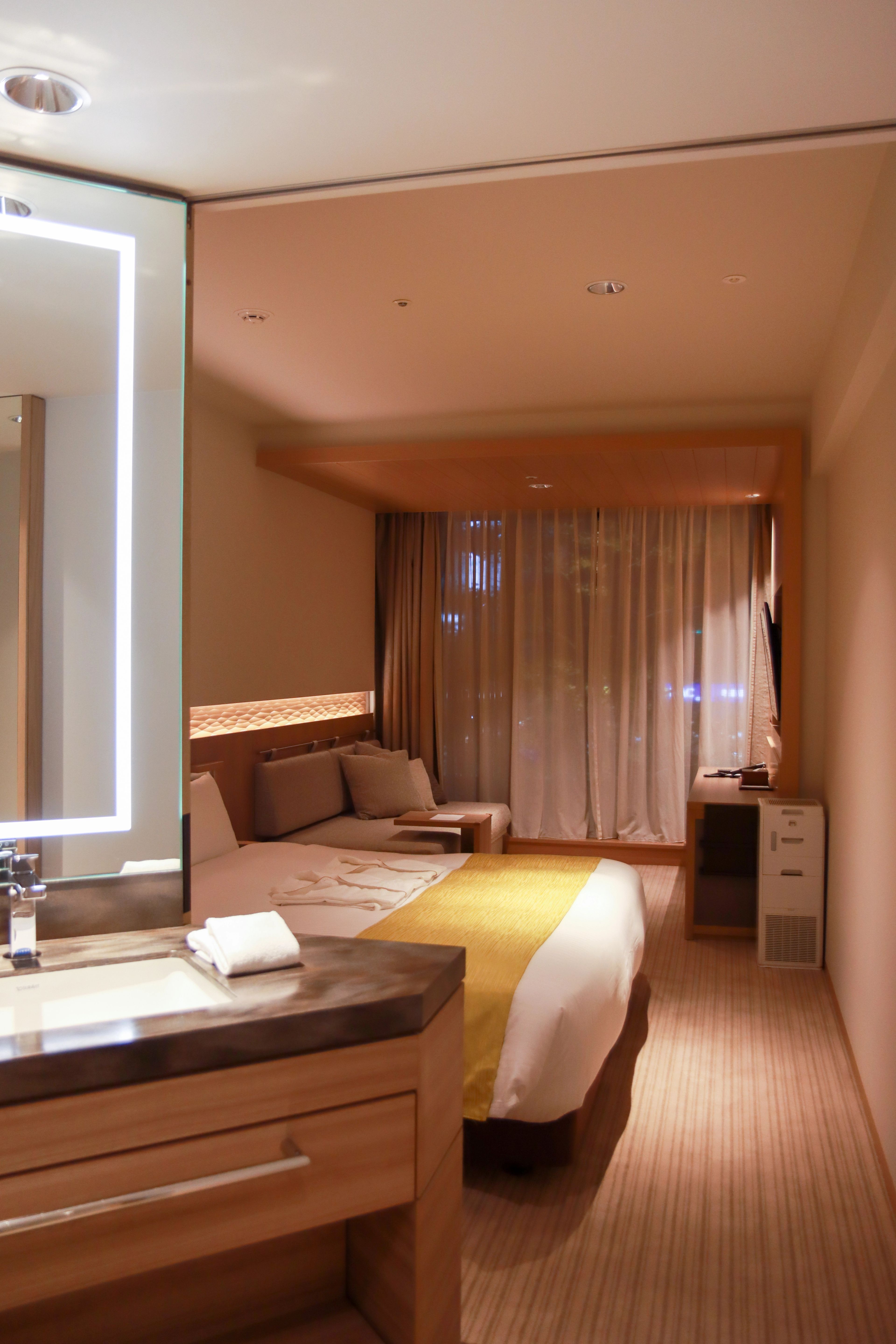
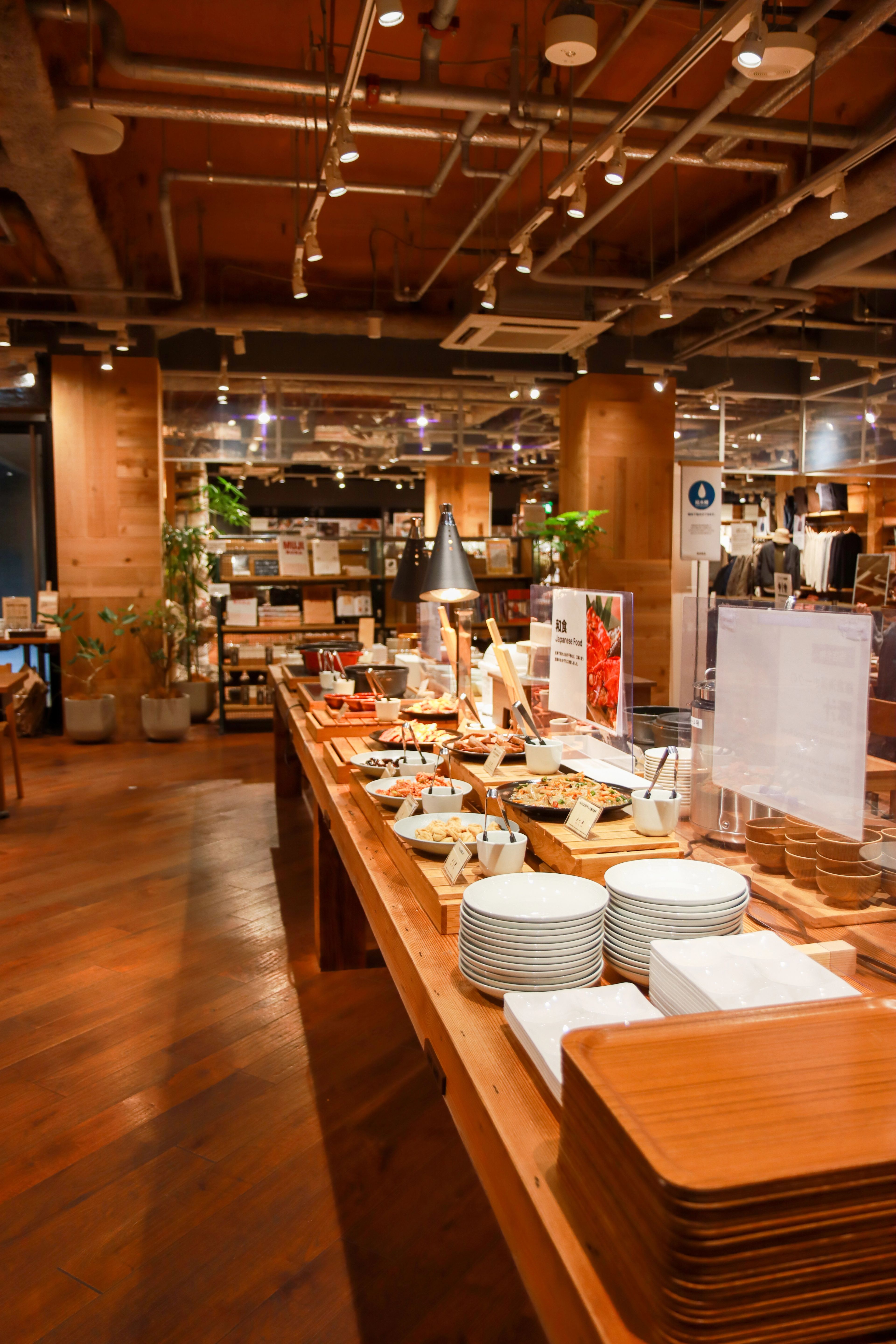
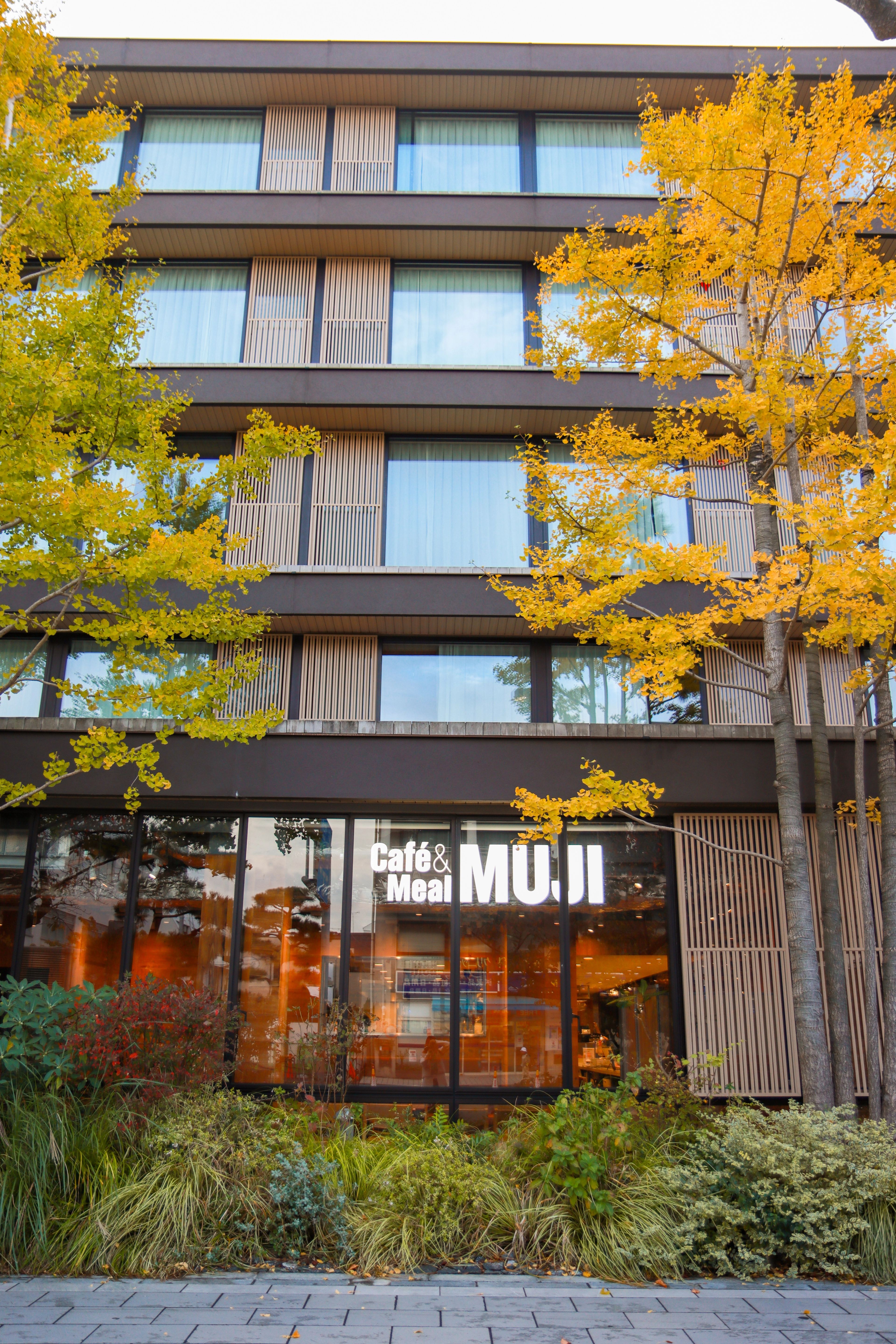
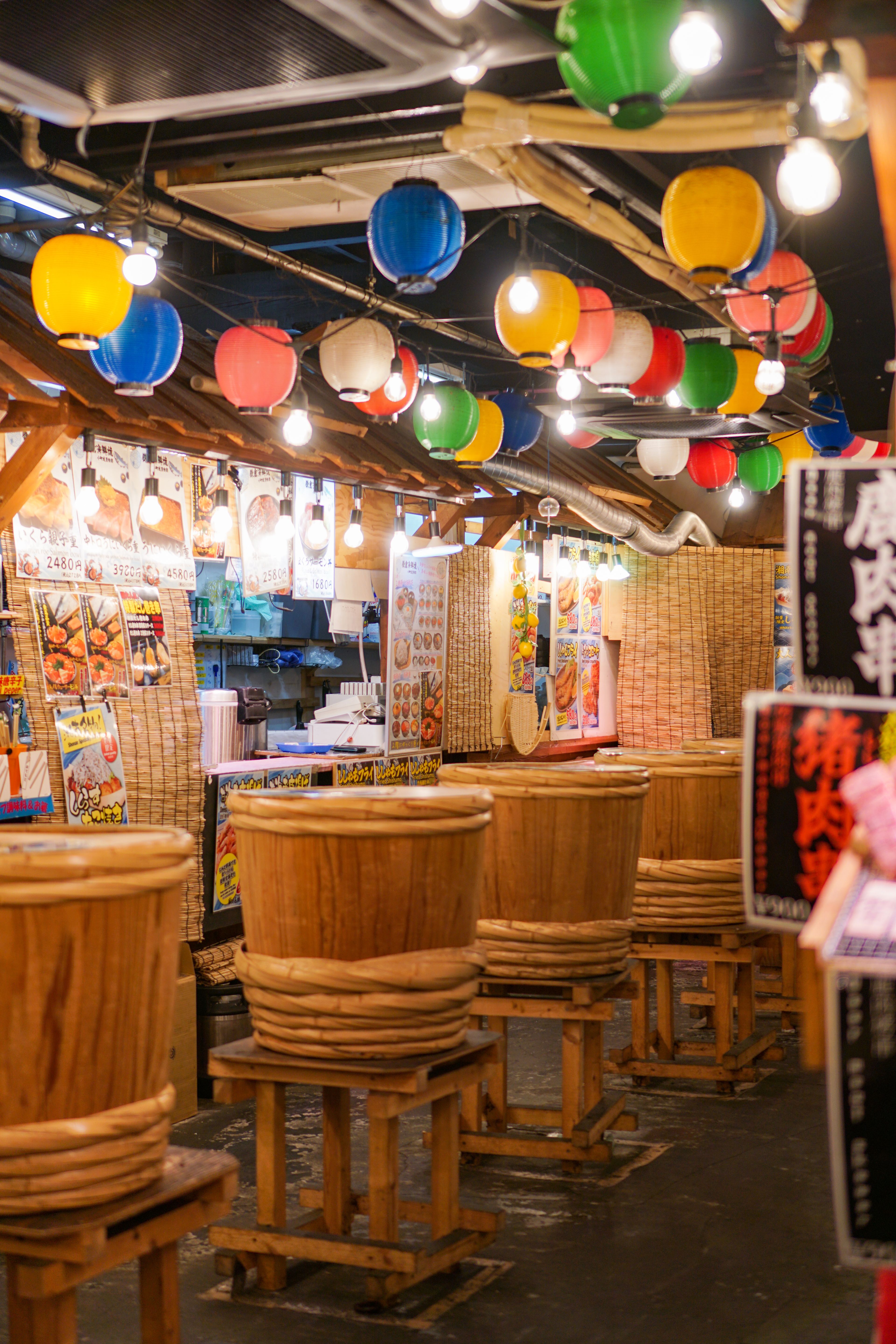
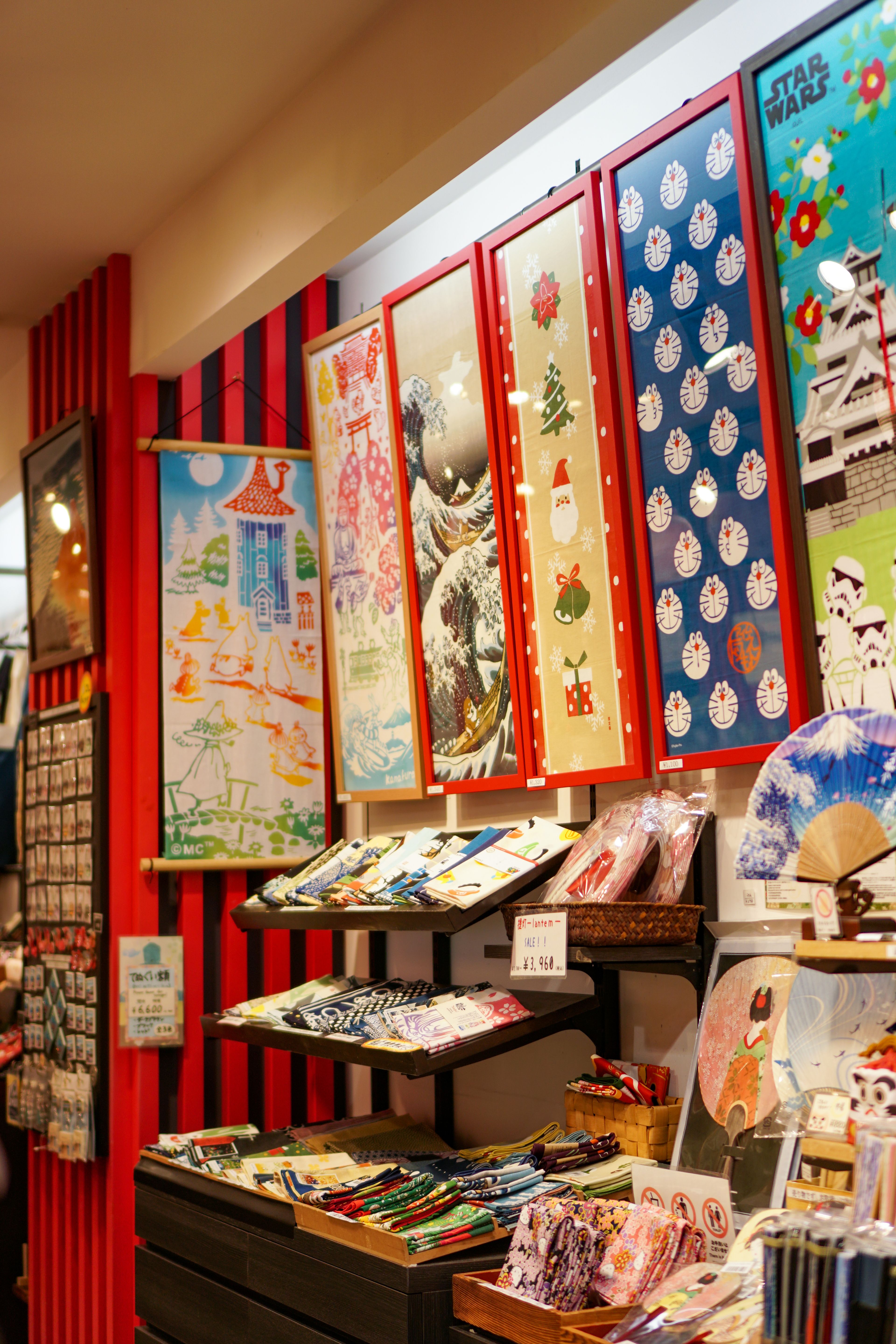
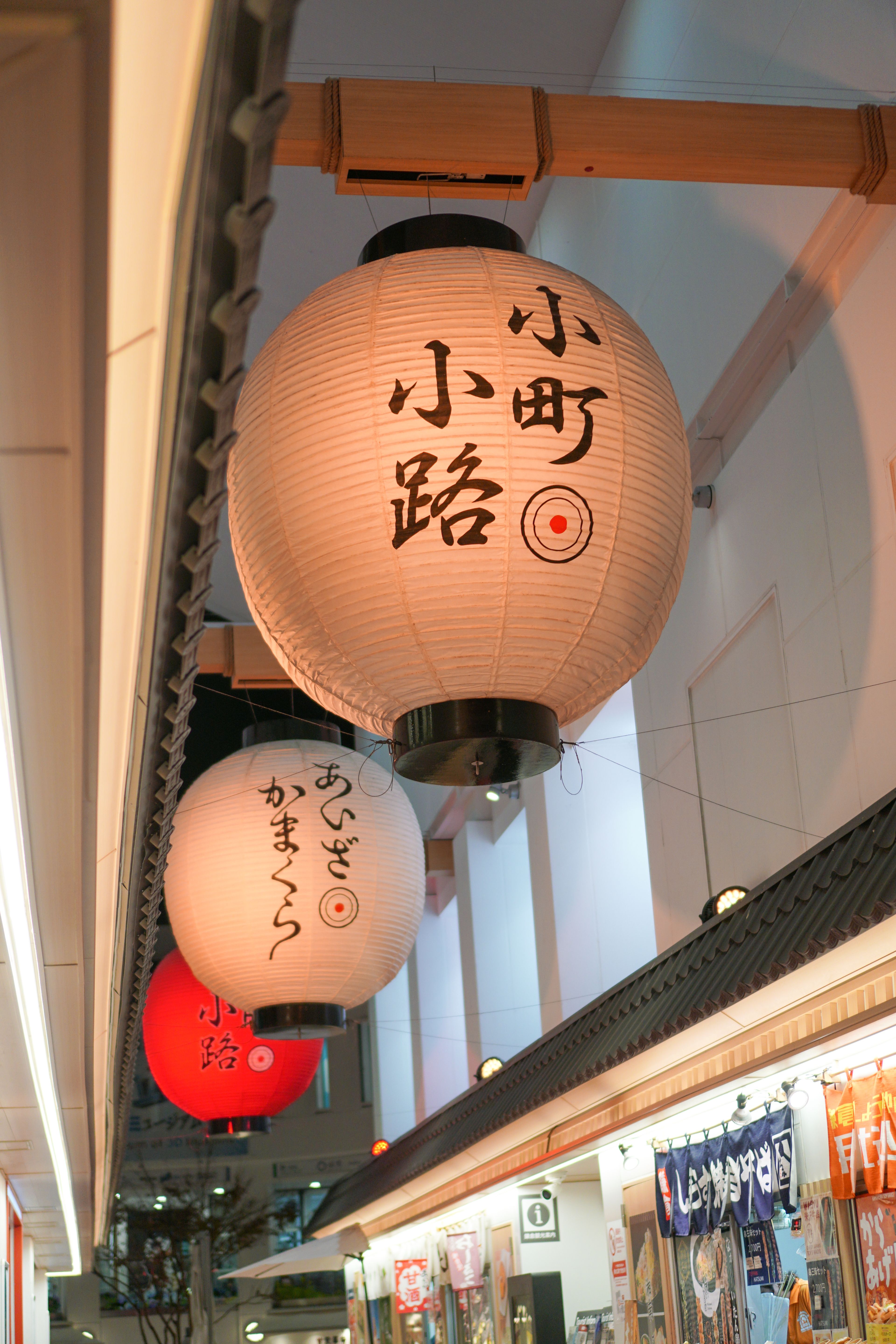
Hotel Metropolitan Kamakura offers a calm, modern stay in the heart of the city, with beautifully designed rooms featuring natural wood tones, soft lighting, and a minimalist Japanese aesthetic that feels warm and welcoming. Its location is conveniently near Kamakura Station and just steps from Komachi-dori, the bustling shopping street filled with local snacks, craft boutiques, and some of the best souvenir finds in town. Guests can start their morning with the hotel’s popular MUJI-inspired breakfast, known for its healthy dishes. With easy access to Kamakura’s temples, beaches, and cafés, this hotel is an ideal base for a comfortable and stylish getaway.
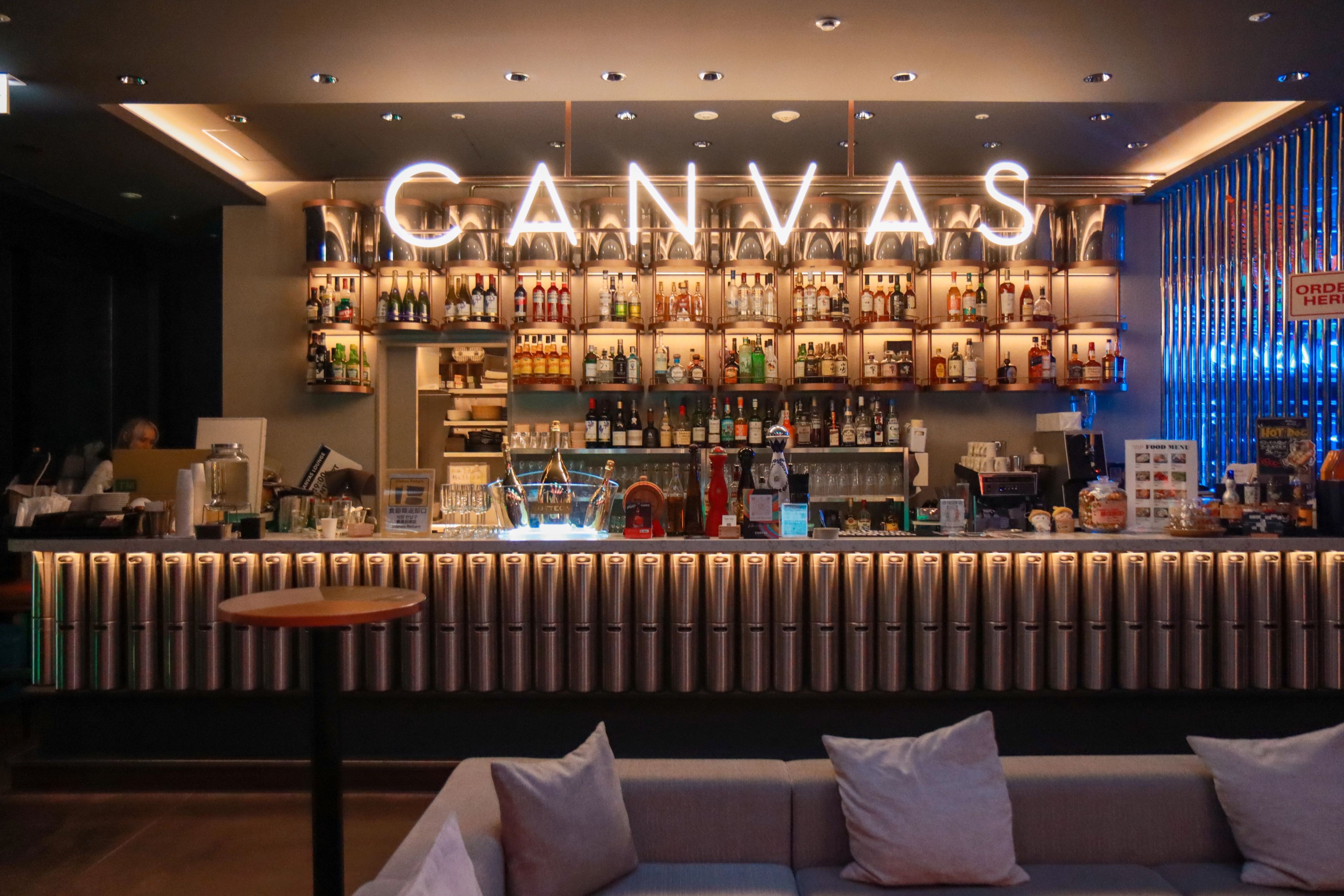
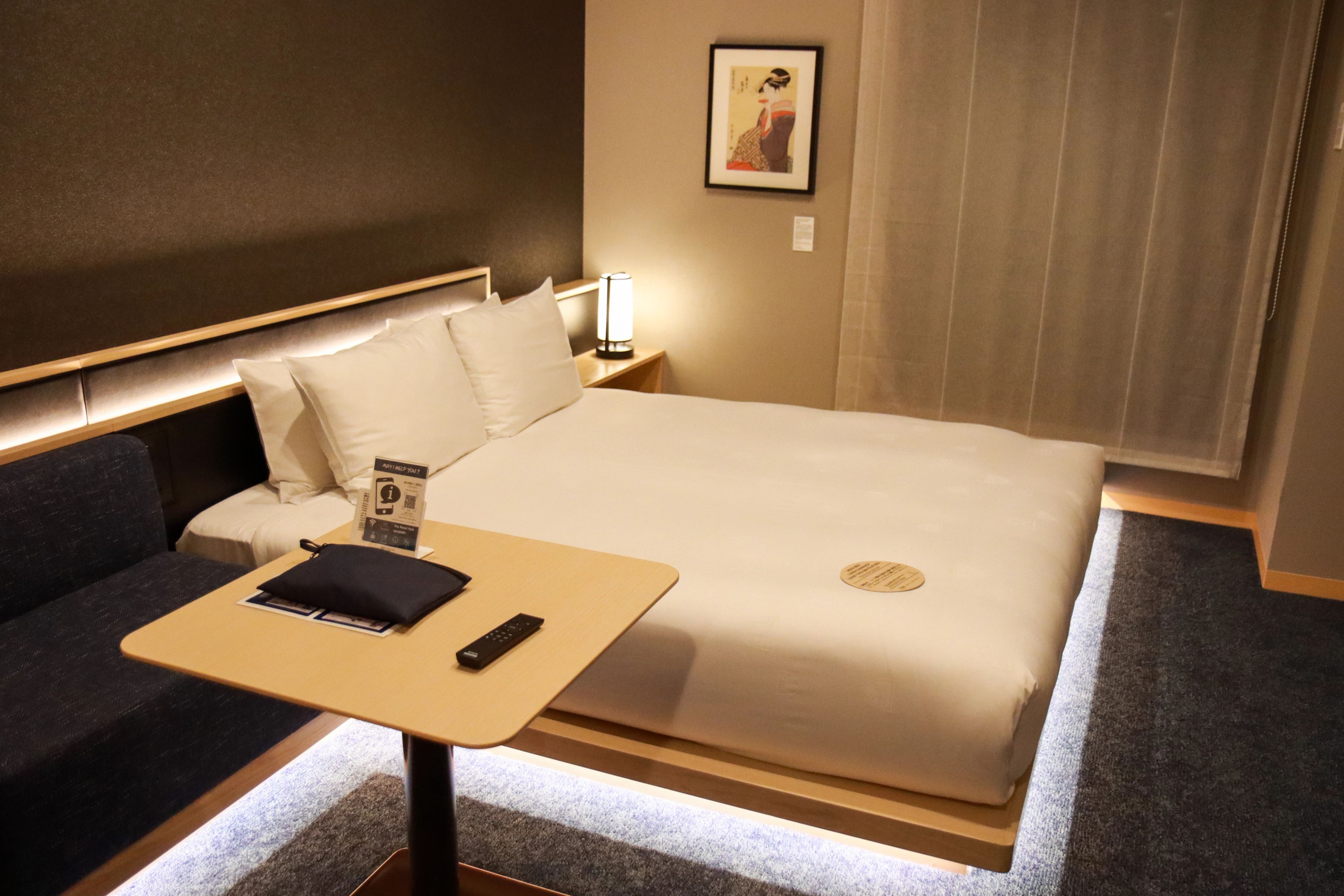
Royal Park Ginza Canvas
Royal Park Ginza Canvas blends modern comfort with a distinctly Japanese artistic touch, featuring rooms decorated with elegant local artwork that give the space a warm, creative feel. Guests are welcomed with a complimentary drink at the stylish hotel bar, a cozy spot to unwind after exploring the city. Its location is one of its biggest highlights: right in the heart of Ginza, surrounded by countless restaurants, cafés, and boutiques. Just steps away is Ginza Granbell Square, a multi-level complex with a club, a chic restaurant, and a relaxing spa (tattoo-friendly), perfect for an easy night out or a bit of pampering.
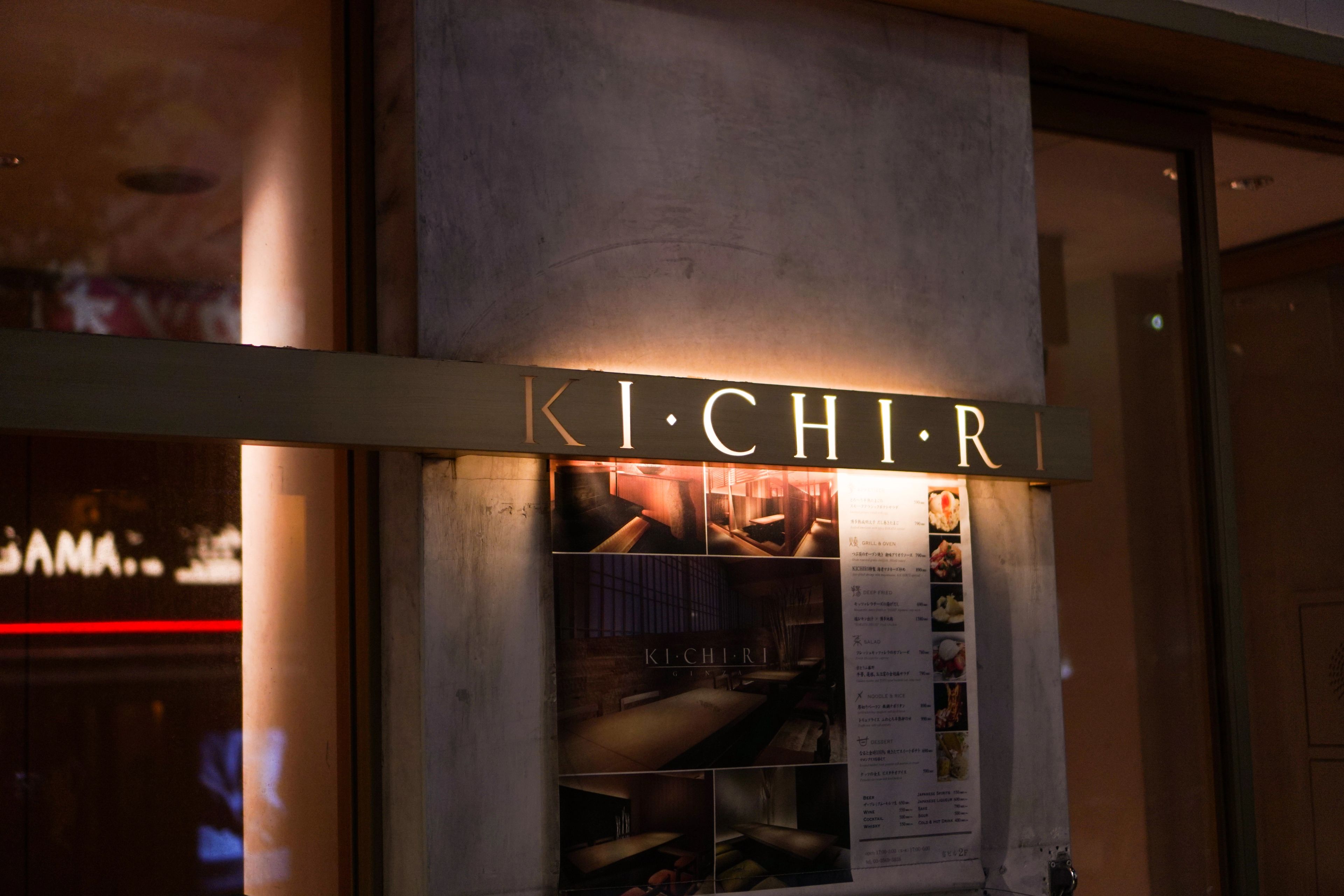
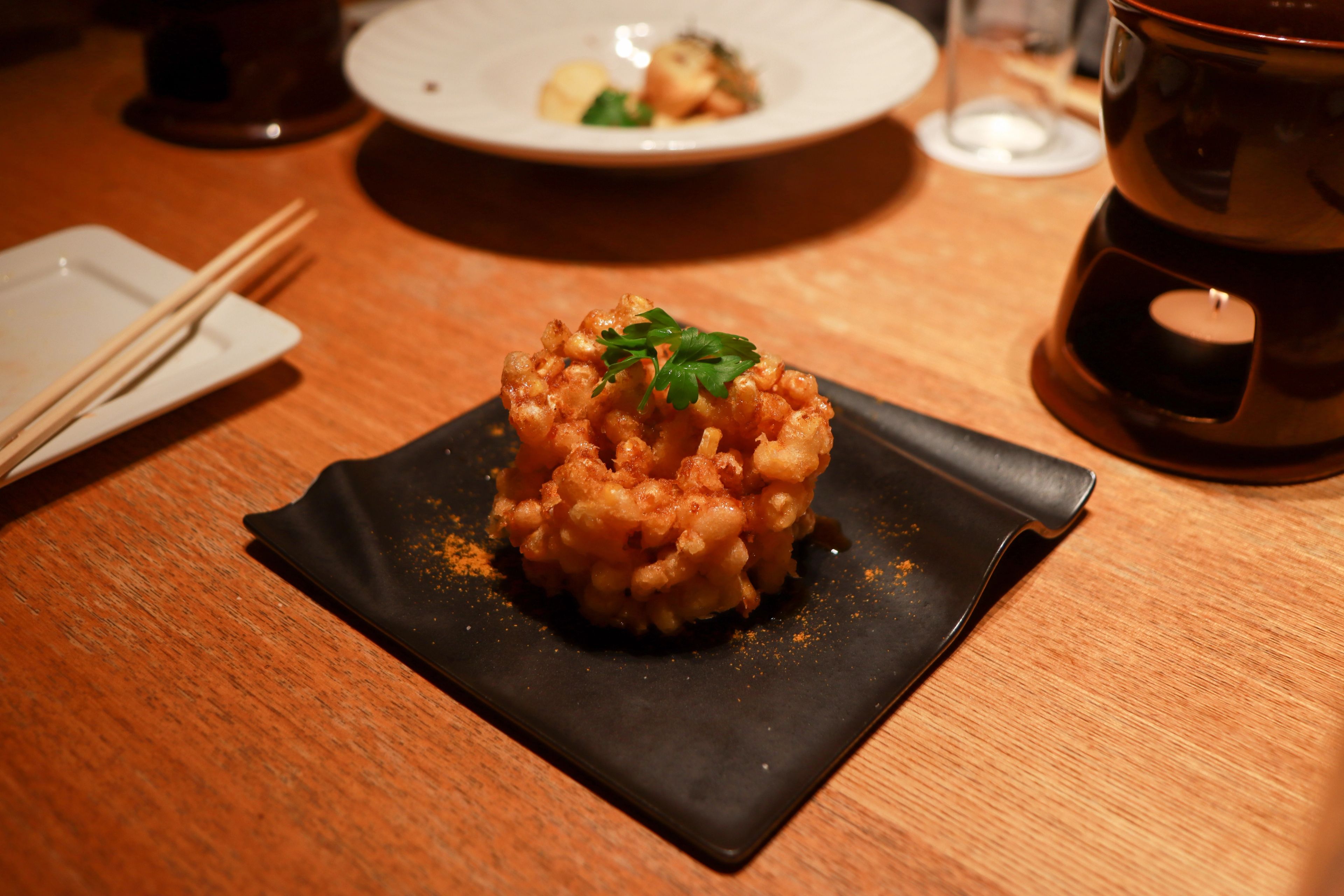
- Recommended restaurant: Kichiri
- https://www.kichiri.co.jp/japanstyle/ginza/
Haneda Innovation City
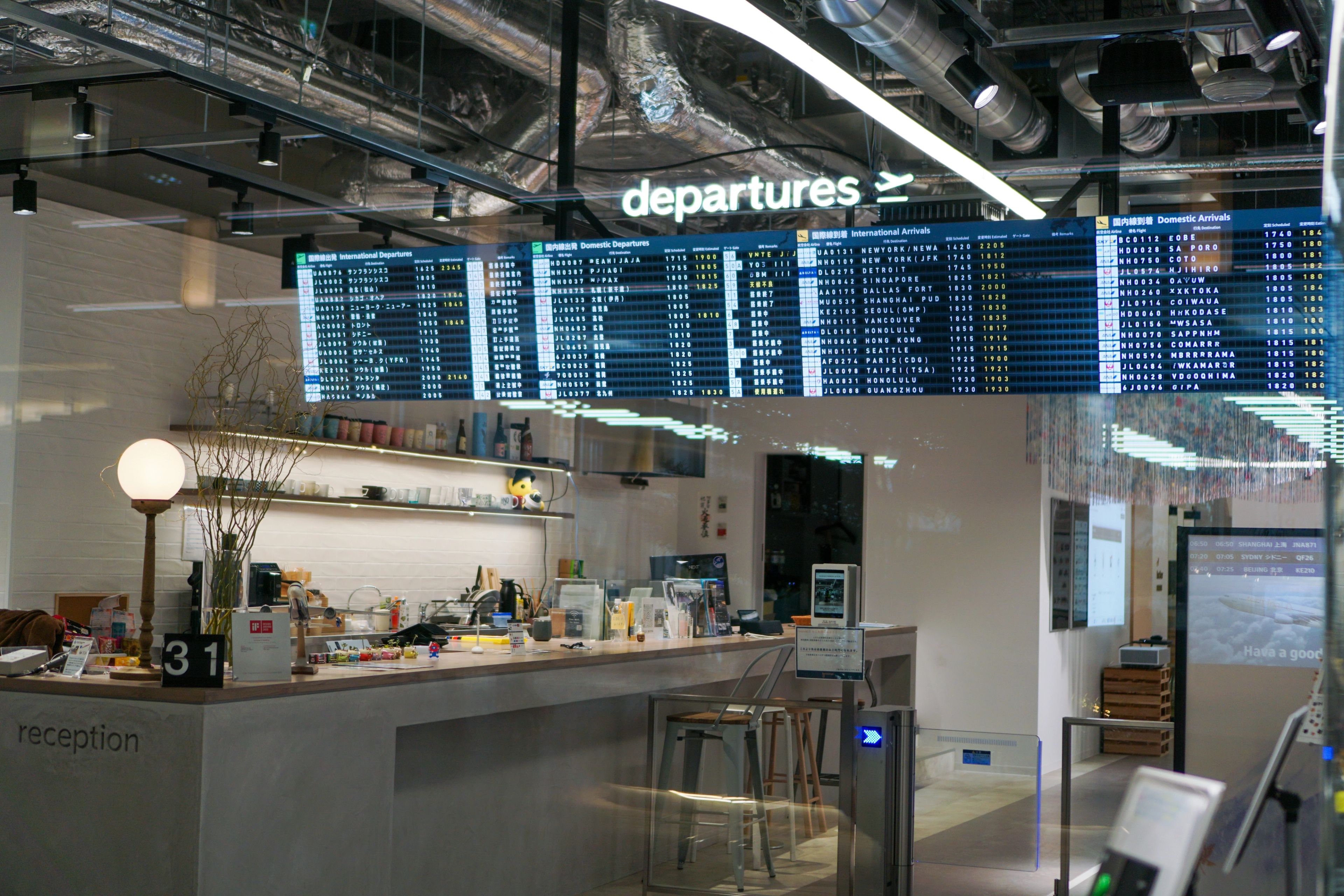
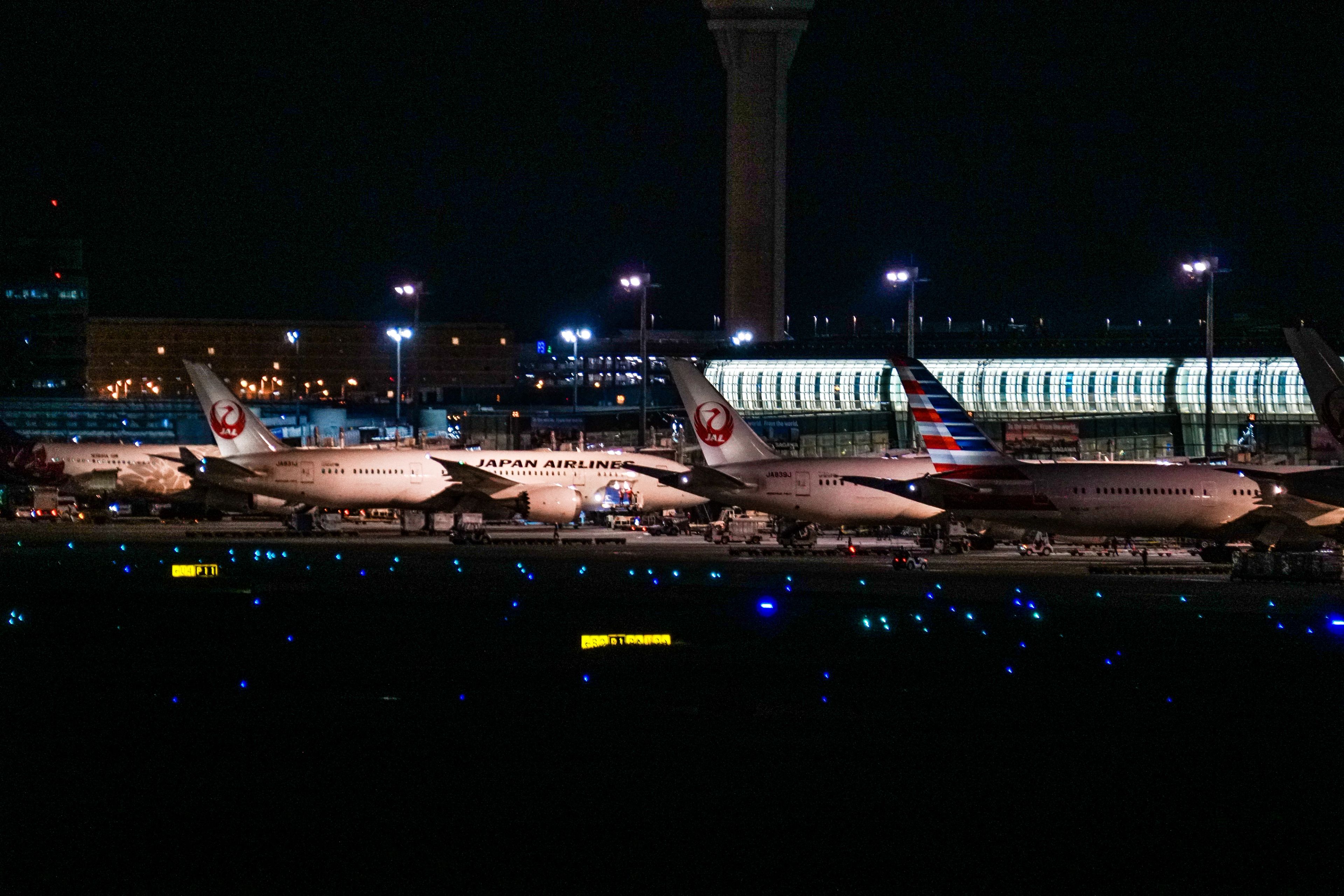
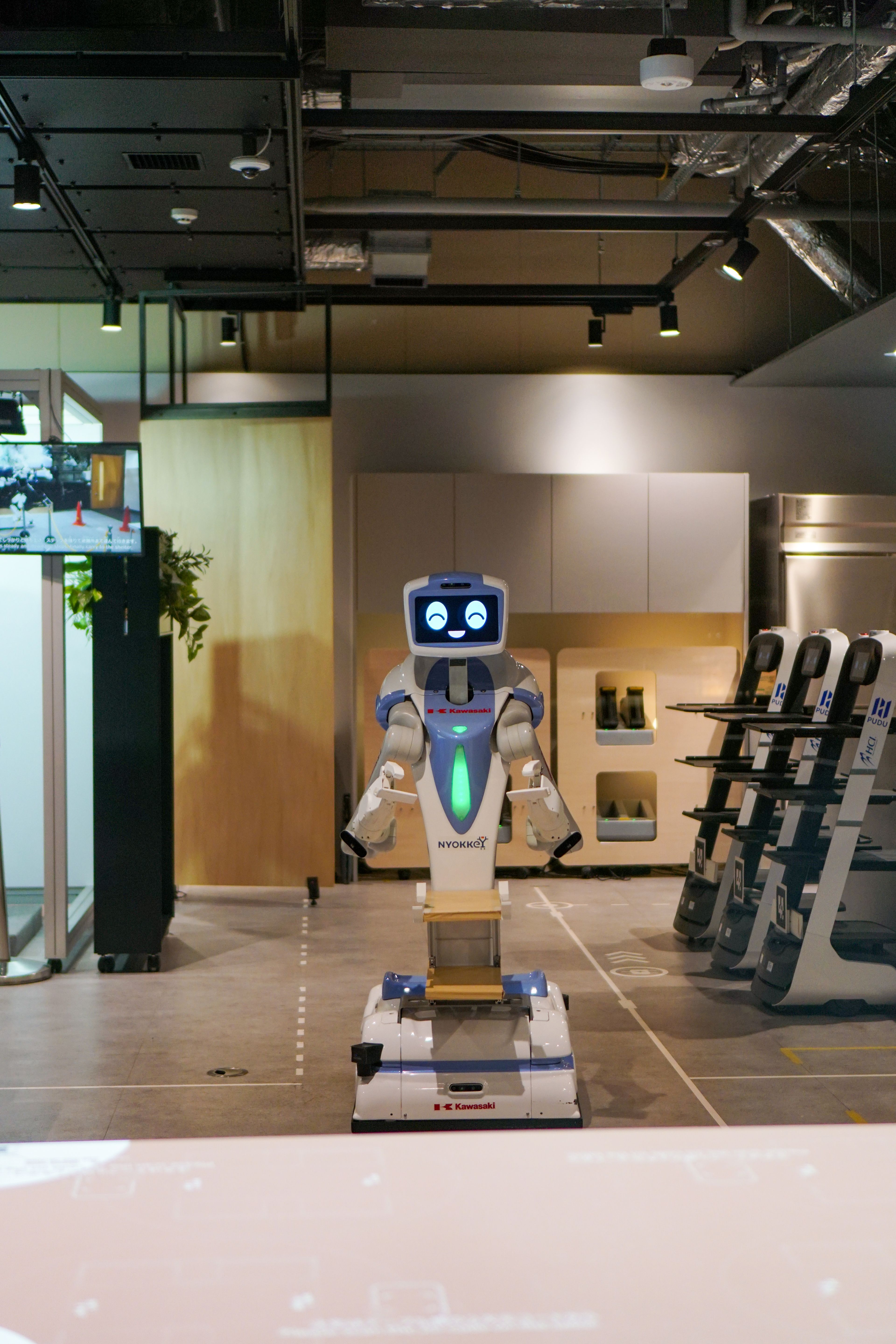
Haneda Innovation City is one of Tokyo’s newest lifestyle hubs. It’s just minutes from the airport where travelers can relax, shop, and enjoy a final taste of Japan before flying out. Its biggest highlight is the free rooftop footbath, a serene open-air space where you can soak your feet while watching planes take off from the runway. The complex also offers a great selection of restaurants and local specialty shops, making it an ideal last stop for souvenirs or a relaxed meal. Whether you’re heading home or continuing your journey, Haneda Innovation City is the perfect place to unwind and savor that final bit of Tokyo atmosphere.
If you are looking for more similar experiences like this, check out this website: https://visitgreatertokyoarea.org/?paged=1
*The prices, opening hours, and other information listed in this article may change. So please visit the official website to get the latest information before visiting.